The Natural Resources Defense Council (NRDC) and US Fish & Wildlife Service (USFWS) settled a lawsuit over the failure to protect habitat necessary for the recovery of the rusty patched bumble bee, as required under the Endangered Species Act. The…
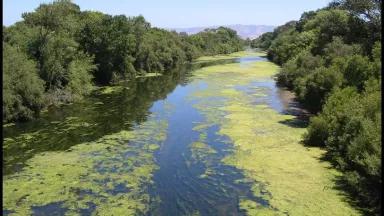
As harmful algal blooms (HABs) proliferate in the United States, two new releases from the Natural Resources Defense Council (NRDC) illuminate the scale of the problem nationally and detail a major pollution source helping to fuel it. A new interactive…
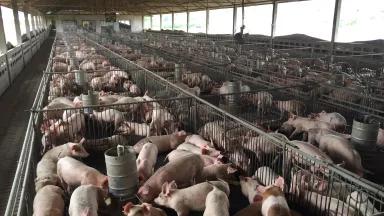
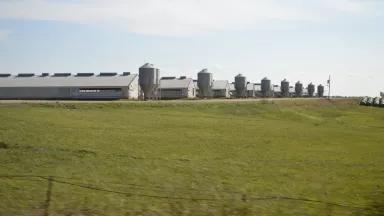
The United States raises more than 9 billion animals for food each year, the vast majority on industrial facilities that not only confine animals in horrific conditions but are also major polluters of the air and water.
Freshwater HABs damage inland ecosystems; threaten public health; poison pets, livestock, and fish; and compromise recreational economies. Every single state has experienced a HAB, but a NRDC assessment of states’ freshwater HAB programs shows that states are not doing enough…
Expert BlogInternationalJennifer Skene, Carolina Herrera, Jessica Carey-Webb, Brendan Guy
Ha sido un verano de titulares catastróficos sobre los bosques del mundo. Estamos prendiendo fuego a nuestros bosques—nuestro mejor aliado en la lucha contra el cambio climático.
Corporate livestock facilities, known as concentrated animal feeding operations (or CAFOs), can threaten the health of communities and pollute our air and water. A decade of NRDC research reveals that the EPA has left these health threats largely unmonitored.