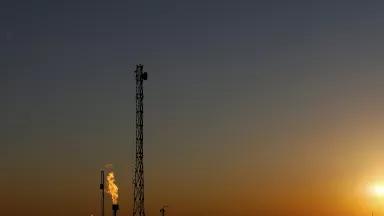
Oil and gas operations leak this potent greenhouse gas far more than previously thought, and (par for the course) the Trump administration is making the situation worse.
Today, 38 craft breweries around the country submitted a letter opposing the Environmental Protection Agency's proposal to stop controlling pollution that flows through groundwater into rivers, streams, and lakes.
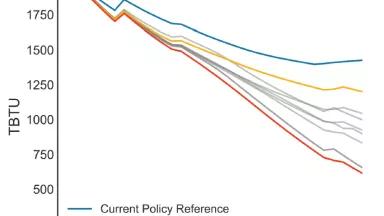
California needs a “natural” (fossil) gas transition strategy to shield Californians from sharply higher heating, protect workers, and meet the state’s climate targets. These are the starkly clear implications of the preliminary findings of a study presented at today’s California…
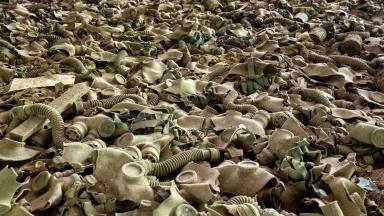
The HBO mini-series Chernobyl captures the potential for destruction that lies within nuclear power plants, reminding us why we should not blithely dismiss the risks of creating power from radiation.
U.S. companies and municipalities are confronting the current challenges of the American recycling system through investments in innovative solutions and expansions in domestic recycling.
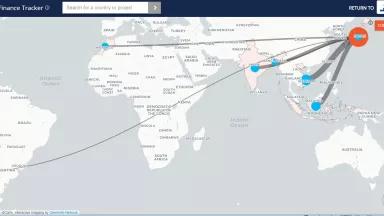
If instead Prime Minister Abe continues using Japan’s taxpayer money to subsidize inefficient Japanese coal equipment manufacturers, then he risks being branded a hypocrite who writes platitudes in the Financial Times about Japan’s climate commitments, while financing dirty coal plants…
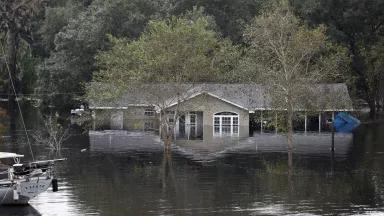
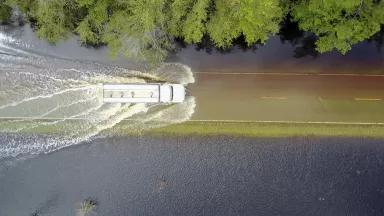
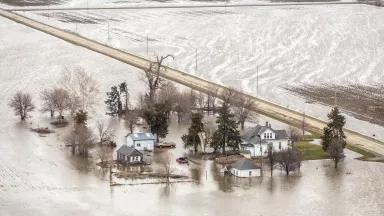
Two catastrophic hurricanes hit North Carolina between 2016 and 2018. These storms prompted Governor Cooper to initiate a comprehensive assessment of the state’s vulnerability to climate change and the increasing frequency and magnitude of disasters that are resulting.
The Ninth Circuit Court of Appeals dismissed a legal challenge to the Keystone XL tar sands pipeline, ruling the case was no longer active due to President Trump’s revocation of the permit at the center of the case. In March…
Sen. Jeanne Shaheen and colleagues have introduced a Senate companion to a House-approved bill that declares the United States will keep its commitments in the landmark Paris Agreement on climate change.
Thanks for signing up. You’ll receive your first NRDC action alert and update email soon!