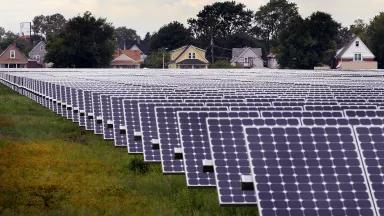
With big cases pending and coming at the Michigan Public Service Commission (MPSC) that will dictate your monthly utility bill, how cost-effective home solar is, and how much wind, solar, and energy efficiency there will be in the state, it’s…
The global community is at a turning point when it comes to biodiversity. We must change our strategies for wildlife protection if we hope to reverse the alarming loss we are experiencing.
Full page bipartisan statement by former EPA Administrators is published in the Washington Post, highlighting “wrong mine, wrong place” as fundamental flaw of embattled Bristol Bay mine
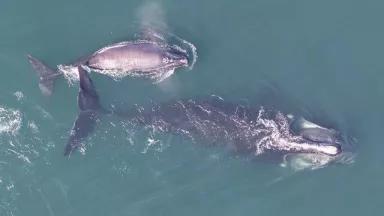
The North Atlantic right whale is an iconic species that connects all Americans living along the East Coast, migrating through the waters of every one of our Atlantic coastal states each year. Yet the right whales’ status is increasingly grim.
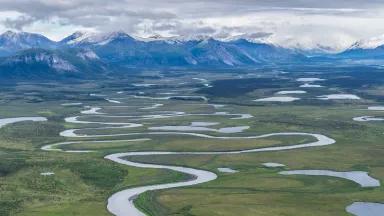
In its first markup of the 116th Congress, the House Natural Resources Committee today approved legislation to restore protections to the Arctic National Wildlife Refuge.
A broad coalition representing millions of Americans today urged Congress to modernize and extend expired energy efficiency tax incentives, touting the enormous, long-term benefits for both the industry and U.S. consumers.
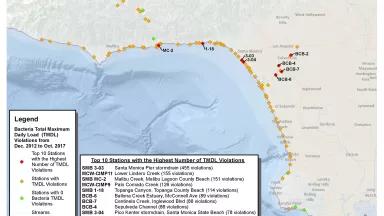
Los Angeles is known for its iconic waterways that include beautiful beaches and a concrete river. But every day, an estimated 100 million gallons of runoff contaminated with various pollutants flows through L.A.’s massive storm drain system to foul our…
The Connecticut Green Bank’s low-to-moderate income (LMI) focused solar PV programs have had a significant impact on solar penetration in Connecticut’s historically underserved and under-resourced communities. Solar PV adoption in LMI census tracts is now higher than solar penetration in…
Regulation and oversight of underground injection in West Virginia has failed to meet all of the state and federal standards the state agreed to uphold, placing drinking water sources at risk.
Despite the fact that urban runoff has been regulated in the Los Angeles region since 1990, it remains the most significant source of surface water pollution in the area.
Thanks for signing up. You’ll receive your first NRDC action alert and update email soon!