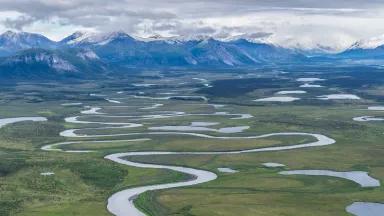
In its first markup of the 116th Congress, the House Natural Resources Committee today approved legislation to restore protections to the Arctic National Wildlife Refuge.
A broad coalition representing millions of Americans today urged Congress to modernize and extend expired energy efficiency tax incentives, touting the enormous, long-term benefits for both the industry and U.S. consumers.
Los Angeles is known for its iconic waterways that include beautiful beaches and a concrete river. But every day, an estimated 100 million gallons of runoff contaminated with various pollutants flows through L.A.’s massive storm drain system to foul our…
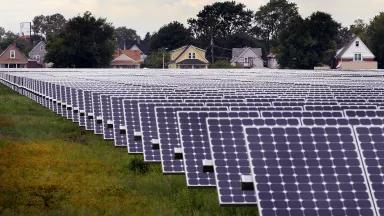
The Connecticut Green Bank’s low-to-moderate income (LMI) focused solar PV programs have had a significant impact on solar penetration in Connecticut’s historically underserved and under-resourced communities. Solar PV adoption in LMI census tracts is now higher than solar penetration in…
The global community is at a turning point when it comes to biodiversity. We must change our strategies for wildlife protection if we hope to reverse the alarming loss we are experiencing.
Regulation and oversight of underground injection in West Virginia has failed to meet all of the state and federal standards the state agreed to uphold, placing drinking water sources at risk.
Despite the fact that urban runoff has been regulated in the Los Angeles region since 1990, it remains the most significant source of surface water pollution in the area.
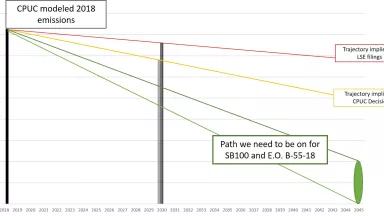
The California Public Utilities Commission just affirmed its commitment to our state's environmental goals by making sure that all companies responsible for providing power to Californians must comply with the Golden State’s carbon reduction mandates.
The Environmental Protection Agency today, in a new review of the world’s most widely used herbicide, maintained its deceitful position that glyphosate is not a carcinogen.