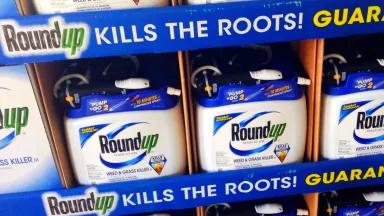
The Environmental Protection Agency today, in a new review of the world’s most widely used herbicide, maintained its deceitful position that glyphosate is not a carcinogen.
The first few months of 2019 have brought disturbing news for Newark residents—skyrocketing levels of lead in drinking water. Since the start of the year, more than 10 percent of Newark’s reported drinking water samples have exceeded 66.9 parts per…
The House of Representatives is set this week to pass its first major climate legislation in 10 years—the first step to address the climate crisis and the rapidly rising public demand for climate action.
Today Governor Andrew Cuomo signed into law a bill banning exploration, development, and production of offshore oil and gas in New York State waters – and prohibiting others that drill in federal waters just offshore New England and the tri-state…
California, which has long been a leader in battling the causes of global warming, now takes the helm of leadership in another critical battle: preparing the state for the inevitable impacts of a changing climate on its water resources.
The City of Los Angeles just released its new Sustainability Plan that includes ambitious emissions standards for new buildings to be zero-emission by 2030 and all existing buildings by 2050. With its population of 4 million, L.A.’s leadership on cutting…
Governor Tom Wolf today announced that Pennsylvania will join the United States Climate Alliance – a bipartisan coalition of 24 states dedicated to achieving the goals of the Paris Climate Accord. In addition, the Governor also released the Commonwealth’s new…
Northeast and Mid-Atlantic states are working together to develop a regional clean transportation policy that delivers better, more equitable outcomes, improves transportation options, and cleans up the air.
A yet-to-be-released U.N. report says half a million to a million species are projected to be threatened with extinction, many within decades—and we must act now.
There are more than 12,000 high-risk chemical facilities across the country and 40 percent of the country’s population live within three miles of one or more of them.