In 21 states, there are no statutory or regulatory requirements that a seller disclose a property’s history of flood damages to a buyer. Sellers are also not required to disclose whether the property is located in a floodplain. The other…
In 21 states, home sellers are not required by law to disclose to buyers whether their potential dream home has ever flooded or whether they will be required to purchase flood insurance, according to an analysis by the Natural Resources…
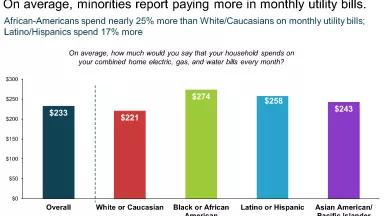
A new national survey commissioned by Energy Efficiency for All finds that many Americans make sacrifices, sometimes serious ones, so they can pay utility bills. Thankfully a majority support policy solutions that boost energy efficiency of apartments and houses, even…
The Natural Resources Defense Council is launching a new digital tool today to help the American people track where their governors and members of Congress stand on the Trump administration’s proposal to expose nearly all of our coasts to offshore oil and…
The Natural Resources Defense Council is launching a new digital tool today to help the American people track where their governors and members of Congress stand on the Trump administration’s proposal to expose nearly all of our coasts to offshore oil and…
A federal judge today sided with environmental, landowner and Tribal plaintiffs in their challenge to the Trump administration’s approval of the Keystone XL tar sands pipeline.
The Natural Resources Defense Council is launching a digital tool today to help the American people track where their governors and members of Congress stand on the Trump administration’s radical plan to expose nearly all of our coasts to offshore oil and…
The Natural Resources Defense Council is launching a new digital tool today to help the American people track where their governors and members of Congress stand on the Trump administration’s proposal to expose nearly all of our coasts to offshore oil and gas drilling.