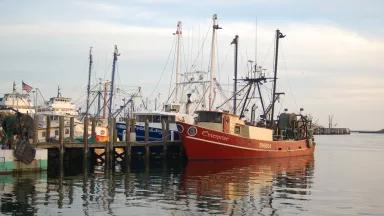
Assessments show that nearly half of Puerto Rico's small, independent water systems—that serve about 89,100 people—suffered from a significant deterioration in operational capacity several months after the storm, in some cases leading to a total inability to deliver water to…
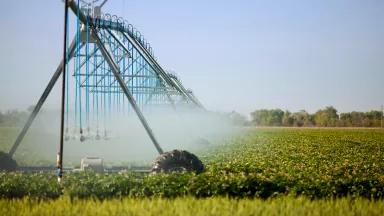
Farms drink up a majority of the state’s water supply, but the details are murky. Most of the largest irrigation districts aren’t reporting how much water they delivered to farmers.
Thousands of Angelenos took to the Expo Line last week to beat the heat at the beach, and now thousands more will have the chance to ride it every day to work, school and recreation.
Chemicals that pose a significant threat to human health and the environment – known as PFAS chemicals - are present in high levels in drinking water, lakes and streams across Michigan. State officials have been aware of the risk to…
Reports of illegal production and use of CFC-11, a powerful ozone depleter and greenhouse gas, raises great concern for recovery of the ozone layer and protection of the climate. Countries will meet this week in Vienna to consider the data…
The 2016 amendments to the Risk Management Plan required industry sectors most responsible for deaths, injuries, and other damage from chemical disasters to evaluate and consider safer technologies and alternatives to reduce risk to workers, communities, and first responders before…
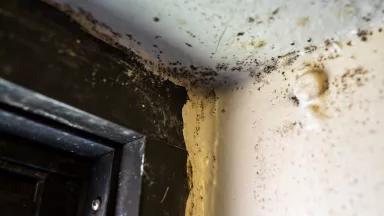
Both problems pose significant health risks, but many people grappling with them can’t afford major renovations—and can’t move out. NRDC attorney Albert Huang shows us the range of solutions to consider.