A Growing Chorus of Concerns Signals Peril for the Biomass Industry
This International Day of Forests, we can celebrate the increasingly widespread recognition that the biomass industry is a bad bet for our forests and our communities.

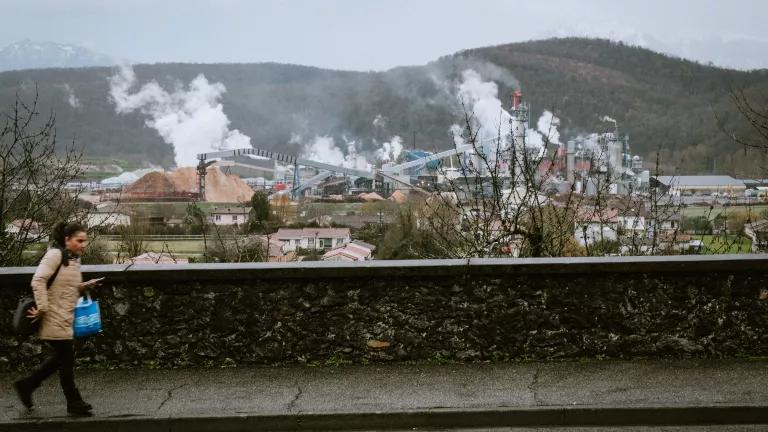
Enviva Pellets Northampton, shown here, is Enviva's second North Carolina wood pellet facility.
Dogwood Alliance


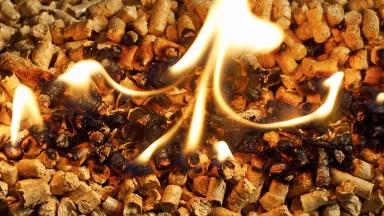
For more than 10 years, NRDC and our partners—including frontline community members—have fought the destructive, wasteful biomass industry and its monumental toll on the world’s forests and climate. The biomass industry involves logging trees, often at a massive scale; turning them into pellets; and shipping them overseas to be burned as energy in countries that have deemed it “renewable.” There are many reasons why this energy source is bad for the planet: Biomass energy worsens climate change, destroys forests and the wildlife that lives in them, harms environmental justice communities, and sucks up money intended for genuine renewables (e.g., wind, solar) in the form of subsidies.
Notably, however, over the past six months, the biomass industry has suffered a slew of setbacks that indicate widespread recognition of the risks and harms of the industry.
Subsidies for bioenergy are disappearing as quickly as they appeared
- Last month, the United Kingdom halved the amount of electricity that biomass power stations can generate and expressed serious questions about the validity of bioenergy with carbon capture and storage (BECCS) as a climate solution. This signals that the U.K. government could be positioning itself to abandon large-scale bioenergy by 2031. This news will have near-term reverberations in the U.S. Southeast, where nearly 75 percent of U.S. wood pellet production is exported to the U.K. Existing production facilities will likely need to find new customers in Southeast Asian markets or shut down.
Learn More: Biomass
- At the end of last year, South Korea unexpectedly ended subsidies for all new biomass projects and announced a phaseout of subsidies for existing biomass plants that use imported biomass. While the government will still subsidize biomass plants that use domestically sourced biomass, the reform is a major step in the right direction, especially in a region that has increased its reliance on biomass energy over the past several years.
A proposed large bioenergy facility was canceled in recognition of public outcry and government support slipping away
- Swedish-owned biomass company Vattenfall canceled its plans for a widely opposed massive biomass plant near Amsterdam, citing ongoing debates on biomass sustainability. For the past six years, environmental organizations from Finland, Germany, Sweden, the Netherlands, the U.K., and the United States have urged Vattenfall to cancel its plans to build the facility. In the face of public outcry, criticism from scientists, and government disapproval, Vattenfall is walking away.
The wood pellet production business shows many signs of instability
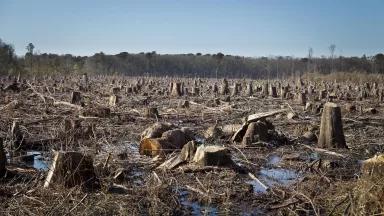
- Enviva, one of the largest wood pellet manufacturers, closed its flagship wood pellet facility in Amory, Mississippi, in early February and abandoned plans to build a new pellet mill in Bond, Mississippi. The company, which declared bankruptcy in 2023, has ravaged forests in the U.S. Southeast for years, converting them into pellets that it ships overseas. While Enviva claims it relies on the “wastes and residues” of logging operations for wood pellets, investigations show that it routinely takes whole trees from mature forests.
- The wood pellet industry threatens California and Washington with four facilities, but the public is strongly pushing back. Drax’s facility in Longview, Washington, has already faced a $34,000 fine for constructing without a permit, and NRDC, Earthjustice, and partners have challenged Pacific Northwest Renewable Energy’s facility in Hoquiam, Washington. Furthermore, Golden State Natural Resources’ mammoth project in California faces incredible public scrutiny and elected official disapproval.
These events are no coincidence. Instead, they are a pattern and clearly illustrate the countless pitfalls of biomass energy, including how its business model requires polluting communities, breaking laws, receiving massive subsidies, clearcutting forests, relying on a finite resource, and perpetuating the myth that bioenergy is carbon neutral. If that’s not a risky proposition, I don’t know what is. That’s why these stories should give financiers and investors—as well as countries that have or are considering classifying woody biomass as “renewable”—serious pause.
Ecologist E.O. Wilson said, “Destroying [forests] for economic gain is like burning a Renaissance painting to cook a meal.” Biomass is a literal incineration of the irreplaceable forests that are essential for carbon storage, water filtration, climate resilience, and countless other benefits. There are much cleaner, more affordable, and more dependable energy options.
Razing forests and turning them into fuel is fundamentally unsustainable. As the world is starting to realize, our future is bound to the fate of our forests—we cannot afford to send them both up in smoke.
Related Blogs

Drax Coming for California Forests by Partnering with GSNR

Carbon Capture Can’t Fix the Climate Impacts of Forest Biomass Power