Partners Unite to Halt Massive Biomass Export Facility in the Pacific Northwest
A new appeal aims to block an industrial-scale wood pellet plant poised to harm air quality, forests, and wildlife.

The US 101 Hoquiam River Bridge


NRDC and a coalition of groups in Washington—including Friends of Grays Harbor, Grays Harbor Audubon Society, and Twin Harbors Waterkeeper, represented by Earthjustice—recently sued to stop the construction of the Pacific Northwest’s first industrial-scale wood pellet mill.
The plant, which is backed by Pacific Northwest Renewable Energy (PNWRE), would export 440,000 tons of wood pellets annually to Asia, where bioenergy has been deemed “renewable” and is, thus, heavily subsidized. The plant would sit at the port of Grays Harbor, immediately adjacent to the Grays Harbor National Wildlife Refuge, just over a mile from the area’s public schools and only 100 miles from Olympic and Mount Rainier national parks.
PNWRE’s permit—issued by the Olympic Region Clean Air Agency on May 14, 2024—violates the Clean Air Act by vastly underestimating the amounts of toxic and harmful air pollutants the plant will emit and failing to consider the full harm of producing and burning wood pellets. We know from years of working in the Southeast—the United States’ primary sourcing ground for wood pellets—that pellet plants emit scores of awful air pollutants associated with health problems like asthma, cardiovascular disease, respiratory illnesses, low birth weights, and premature births. They also regularly violate pollution limits in their permits, exacerbating air impacts on surrounding communities. Pellet mills also harm biodiversity, causing forest loss in the surrounding areas and increasing shipping traffic that could impact marine wildlife like orcas.
Learn More

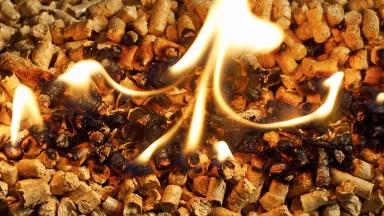
This challenge isn’t just about one permit; it’s also a step forward in our efforts to protect communities from the rapidly expanding wood pellet production industry that’s harming our forests, health, and climate. While the pellet industry has, thus far, been concentrated in the Southeast, it’s now setting its sights on the West Coast due to proximity to Asian markets—it’s a lot cheaper to ship wood pellets to Asia from Washington than it is from North Carolina.
The United Kingdom–based company Drax recently proposed a similarly sized facility in Longview, Washington, and Golden State Natural Resources (GSNR) proposed two industrial-scale facilities in California. Given the wood pellet production industry’s concerning track record in the Southeast and the harm it has inflicted on communities—many of which are still suffering—the West Coast should do everything in its power to stop this industry from taking hold in the region.
Thankfully, the wood pellet production industry is undergoing massive scrutiny. Increased recognition of the risks and harms of the biomass industry has contributed to adverse economic headwinds for the industry. Bioenergy subsidies that were once widely available are quickly disappearing in the United Kingdom and parts of Asia. Drax recently paused work on its plant in Longview, Washington, citing weak demand for wood pellets. And in California, GSNR canceled its plans for two-industrial scale facilities amid immense community opposition and financial uncertainty. Taken together, these factors spell enormous risk for the success of the proposed Hoquiam wood pellet plant and the jobs and revenue it promised to the community.
The growing scrutiny of the wood pellet industry shows that change is possible—and already underway. With stronger oversight, community action, and rising awareness, we have a real chance to stop harmful biomass development in its tracks. The Pacific Northwest can choose a different path—one that protects people, wildlife, and forests while advancing truly clean energy solutions.
This blog was originally published June 13, 2024, and has since been updated with new information and links on June 2, 2026.
Related Blogs
Golden State Natural Resources’ Biomass Boondoggle
Renewable Energy on Federal Lands Brings New State and County Revenues
