$1 Trillion: The Social Cost of Plastic in the United States
A new report shows that the true costs of plastic are far more than what you see on the price tag.


When you go into a store and look at the price of a plastic cutting board, piece of synthetic clothing, or plastic water bottle, it seems like you are paying the cost that is displayed on the price tag. Yet the real costs of these items are much higher, since there are also significant costs to human health, ecosystems, and the wider economy that their price tags aren’t reflecting.
In a new report titled The Social Cost of Plastic to the United States, researchers from Duke University have worked to shine a light on these invisible—but still all too real—costs. Their analysis reveals staggering figures: Every year, the real costs of plastic are estimated to be between $436 billion and $1.1 trillion per year. (To put these dollar values into perspective: If you spent $1 million per day, it would take you between 1,200 and 3,000 years to spend this amount of money.)
These costs accrue over the entire life cycle of plastic, as the Duke researchers summarized below:
When plastic is made
- Human health impacts from fossil fuel extraction ($2.9–$31.9 billion per year): These costs are due to exposure to air pollutants that are linked to asthma, cancer, and premature death.
- Greenhouse gas emissions ($6.4–$15.9 billion per year): These costs include climate-related harms, such as extreme weather events, health care costs, and reduced agricultural productivity.
Learn More

When plastic is used
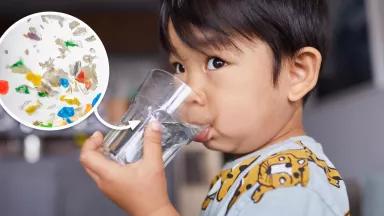
- Human health impacts from plastic chemicals ($410–$930 billion per year): These costs are due to chronic illness, developmental issues, reduced worker productivity, and premature death.
When plastic is discarded
- Plastic litter cleanup ($9.8–$13.3 billion per year): These estimates include costs to governments, businesses, educational institutions, and volunteer organizations.
- Impacts on marine ecosystem benefits ($1.4–$112 billion per year) and industries ($3 billion per year): These costs are due to decreased fisheries productivity, diminished biodiversity, increased shipping hazards, and reduced recreation and tourism.
- Landfilled plastics ($2.9 billion per year): These costs include landfill disposal costs for local governments.

A cleanup event along the Tar River in Greenville, North Carolina, which resulted in a collection of mostly plastic bottles
Importantly, these dollar figures (although already very high) are likely a significant underestimate of the true costs in the United States, according to the study’s authors. The estimates don't include many of the costs related to impacts on human health, ecosystems, and property values, as well as key costs related to waste management disposal, among other critical information gaps. For example, the report included costs associated with only a handful of chemicals found in plastics, when the true number is greater than 16,000. These figures also don’t reflect any and all potential impacts from microplastics on human health, agriculture, or the environment. This is because the Duke researchers relied on existing literature to calculate cost estimates, and there are many critical data gaps.
More research isn’t needed to know that we can’t afford to keep making and using as much plastic as we do today. In fact, the researchers call out that reducing the harms associated with plastic will require “coordinated action across the private sector and all levels of government—local, state, national, and international—working together to intervene at every stage of the plastics life cycle.”
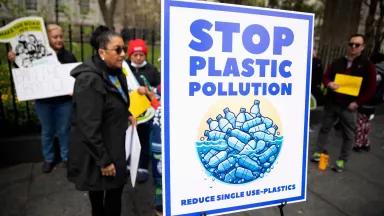
The researchers also emphasize that upstream measures are the most important, writing that “to meaningfully reduce plastic’s rising harms and costs, the highest priority must be placed on upstream interventions that target the beginning of the plastics life cycle. This means reducing both the supply of new plastic and the demand for plastic products through interventions such as capping virgin plastic production, phasing out single-use plastics, and incentivizing and supporting reuse and refill systems.”
To change the trajectory and reduce the staggering costs associated with plastics, we need upstream policies that reduce plastic production, eliminate the worst forms of plastics, incentivize safer alternatives, and hold producers accountable. Without rapid action, these costs will only grow, straining public resources and impacting our communities.
Related Blogs

Trump EPA Proposes Toxic Loophole for Plastics Incineration

California Oil Disaster Brings New Urgency to Calls to Ban Drilling