Global Heat & Cooling Forum: Solutions for a Warming World
Experts highlight that an integrated approach can streamline action for impact at scale for building resilience to extreme heat and providing access to sustainable cooling.

A toll booth worker seeking shade under an umbrella during a record-hot 52.3°C day in New Delhi, May 29, 2024
Arun Sankar/AFP via Getty Images


Coauthored with Akash Goenka, Ritika Kapoor, and Vandana Padmanabhan of NRDC India.
Picture an extremely hot day with temperatures topping 42 degrees Celsius (approximately 108 degrees Fahrenheit). This was an average day in New Delhi for all of May and June 2024. This summer could be even warmer, according to weather experts.
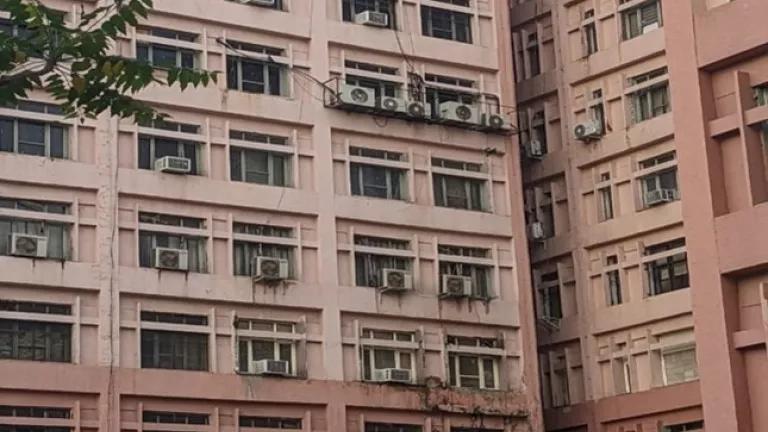
Street vendors, traffic police personnel, two- and three-wheeler riders, outdoor construction workers, and agricultural workers (many of them women) have no option other than to endure this searing heat or risk losing their livelihoods. Many do not have much respite from the heat even at home: More than 90 percent of India’s homes do not have air-conditioning, and indoor temperatures in many homes can sometimes even exceed outdoor temperatures.
With global temperatures on the rise, access to cooling—an existential need in heat hot spots—is deeply intertwined with resilience to extreme heat. Efforts to supply cooling and reduce heat stress, each useful individually, can be more synergistic and effective when designed together.

NRDC and NRDC India staff at the Global Heat & Cooling Forum held in New Delhi, March 2025
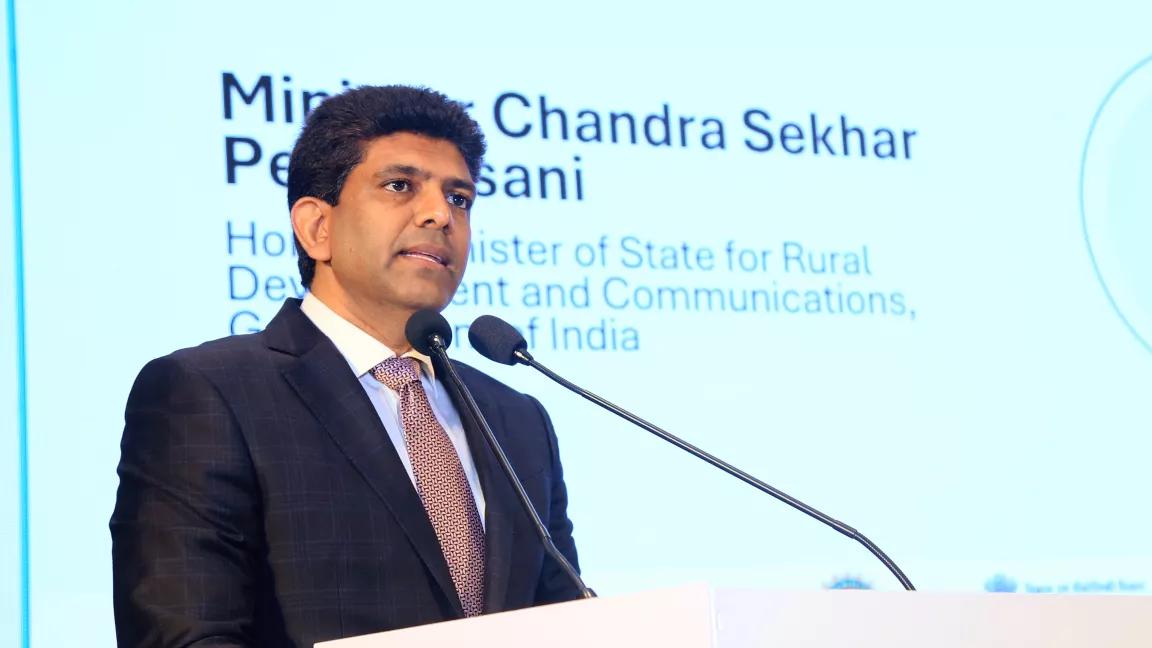
Honorable Chandra Sekhar Pemmasani, India's minister of state for rural development and communications, addressing the Global Heat & Cooling Forum.

A panel discussion at the Global Heat & Cooling Forum (from left): Archana Soreng, Indigenous climate activist and former member of the UNSG’s Youth Advisory Group on Climate Change; actor and model Dia Mirza; journalist (and moderator) Sarah Jacob

Manish Bapna, NRDC president and CEO, in conversation with Dr. Radhika Khosla at the Global Heat & Cooling Forum
With the objective of finding long-term, integrated solutions to heat resilience, heat adaptation, and climate-friendly cooling, NRDC partnered with India’s National Disaster Management Authority, Department of Science & Technology, Government of India, and the World Bank to organize the Global Heat & Cooling Forum: Solutions for a Warming World last week in New Delhi. The conference convened experts, policymakers, officials from city, state, and national governments, researchers, media, representatives of the financial sector, and other key global and domestic actors in the heat and cooling space.
Key insights from the event are summarized below.
- Extreme heat is the deadliest yet most under-recognized climate hazard. Every year, heat waves claim more lives globally than any other climate disaster, yet their silent, cumulative impact often escapes urgent action. By 2050, an estimated two to five billion people will be exposed to heat stress yet lack adequate access to cooling, creating a looming humanitarian crisis that remains largely absent from global development priorities.
-
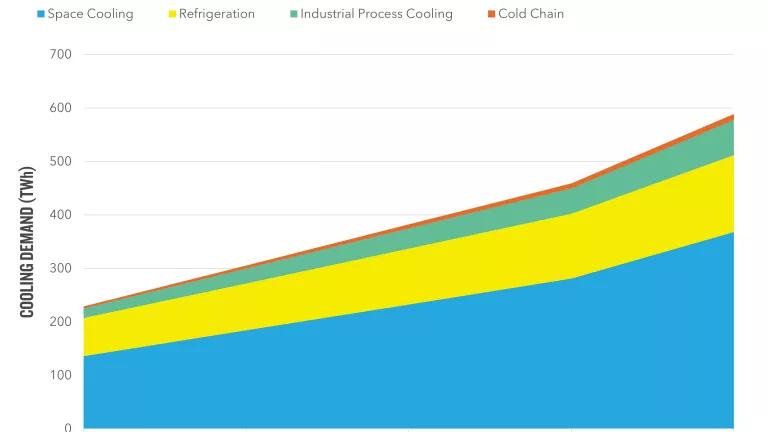
The forum highlighted the heat-cooling paradox: While cooling is critical for survival, skyrocketing growth in cooling-related power demand, especially from air-conditioning, will exacerbate global warming if not managed sustainably. Air-conditioning is designed to provide relief from rising temperatures, but when fossil fuels supply the electricity, greenhouse gas emissions contribute further to global warming.
Cooling already accounts for 20 percent of global electricity use by buildings. More sustainable cooling strategies—including passive building design, phasing in of climate-friendly refrigerants, and energy efficiency improvements in cooling appliances—will be essential to providing much-needed cooling while reducing its negative impacts on global warming.
- Heat waves are not isolated events—they are part of a cascading climate crisis. Rising ocean temperatures weaken monsoons, disrupt agriculture, intensify air pollution, and lead to water scarcity. In 2024, India was forced to halt wheat exports due to heat-induced crop failures, showing how extreme heat impacts food security and global supply chains. Solving for the extreme heat crisis will therefore necessitate working across issue areas to solve additional climate-induced events.
-
Integrating heat adaptation and cooling into long-term governance structures would greatly improve resilience. Individual efforts often drive initial climate adaptation work, but institutionalizing heat resilience within government mandates ensures continuity despite political changes.
Multi-sectoral coordination—linking heat with urban planning, energy, housing, and disaster risk reduction—is essential to building resilience. Dedicated federal funding signals a move toward institutionalizing long-term resilience. Plus, cities like Mumbai, for example, are embedding heat preparedness as a yearlong activity, not limited to summer months.
- India is shifting from reactive heat response to proactive climate governance. Traditionally, heat action plans (HAPs) have often been reactive, focusing on short-term relief from heat extremes rather than long-term adaptation. However, heat resilience requires systemic change, not just seasonal emergency plans. The potential integration of heat as a disaster under national policy is a game changer, adding motivation for HAPs to expand into even more cities and districts.
- Rapid urbanization demands systemic intervention. Cities are heating up especially quickly due to rapid urbanization, shrinking green cover and lack of open spaces. Policies such as the Energy Conservation Building Code and Telangana’s 10 percent green budget are positive precedents for integrating climate-conscious planning statewide into urban development.
-
Stronger regulations combined with community-based adaptation strategies could result in more workforce resilience. Seventy percent of India’s nonagricultural workforce is in the informal sector, which is often particularly at risk for extreme heat. However, many workers lack contracts, access to heat-safe working conditions, or social protection in the form of rights to work safely under extreme heat conditions.
Recognizing heat-related illness as a workplace hazard and requiring employer-driven safeguards would boost workforce resilience. Policy measures such as mandated cooling breaks, flexible working hours, and employer-provided shade and hydration could also be reinforced through behavioral training and localized cooling infrastructure, particularly for outdoor laborers and migrant workers.
- Effective heat resilience financing goes hand in hand with innovative cross-sector governance. Funding strategies that integrate heat resilience within urban planning, housing, public health, and infrastructure investments could potentially result in more effective outcomes. Strong governance frameworks—mandating compliance, standardizing risk assessments, and institutionalizing heat as a policy priority—could then help ensure investments translate effectively into resilience.
- Engaging the private sector through incentives and partnerships, particularly in worker protection and energy efficiency, could bring in more support. The private sector is essential for both resilience and financing: Most heat-exposed workers in India are in the private sector (e.g., construction, manufacturing, etc.), yet businesses are largely absent from HAP efforts. Public-private partnerships, corporate sustainability programs, and incentives for energy-efficient appliances are recommended to align market forces with heat resilience goals.
- Civil society and local community involvement could enhance the effectiveness of heat governance. Building long-term sustainable resilience against heat requires decentralized planning, community participation, and behavioral shifts. Schools, health centers, and local networks could play a greater role in heat preparedness while civil society partnerships can bridge gaps in governance and implementation.
- Rural India holds the key to climate resilience but remains under-supported. Government programs like NREGA, Jal Jeevan Mission, and PMAY-rural are looking to build heat-resilient rural infrastructure, but scaling these initiatives is critical. Decentralized solar power and water conservation efforts must be expanded to reduce dependency on high-energy cooling solutions.
-
Rising heat waves highlight the stark “heat divide” between those who can stay cool and those who cannot. As global temperatures rise, extreme heat is deepening inequality, disproportionately impacting women, children, and marginalized workers.
In parts of India, women spend several hours a day getting water to their homes from the nearest source of water, and it is not unusual for seasonal livelihoods to depend on climate-sensitive resources. Yet most climate policies fail to address gendered vulnerabilities. Without intervention, rising heat could push millions further into poverty. Inclusive governance prioritizing community-led solutions could help bridge the heat divide.
- Indigenous communities must be central to solutions. Indigenous Peoples protect 80 percent of the world's biodiversity, yet they remain excluded from climate policymaking. Recognizing land rights, integrating traditional cooling methods, and ensuring direct climate finance access would result in more equitable resilience.
- Bridging scientific knowledge gaps can support effective policy and infrastructure solutions. Scaling up high-resolution climate forecasting, household-level heat monitoring, and impact-based early warning systems could help bridge scientific knowledge gaps. This can, in turn, help ensure targeted interventions and result in more effective policy and infrastructure solutions.
- Localized, data-driven strategies could complement national plans. To have maximum effectiveness, state and city-level HAPs could be tailored to local heat conditions, integrating real-time data, early warning systems, and vulnerability mapping. By adding in specificity to local plans, they can help provide clear actions for municipal bodies. A legal mandate for heat governance would also help institutionalize long-term solutions.
- Supporting HAPs’ evolution beyond early warnings can strengthen proactive response and infrastructure change. For example, future-ready HAPs could emphasize green roofs, tree planting, and infrastructure resilience while ensuring vulnerable communities can access resources during heat waves. Coordination across national borders would help ensure consistent heat warnings and response systems.
- Heat mitigation could be prioritized in infrastructure, power grids, and urban planning. As cities balance rising demand with resilience strategies, district cooling systems, grid stability planning, and low-carbon materials could be mainstreamed into building codes and development policies so that cooling and heat mitigation are not at odds but rather working in tandem.
- Embed civil society, schools, and community groups in communication and behavioural change strategies. Civil society and community-level action can enhance effectiveness. Schools, health centers, and neighborhood networks are all key to community resilience and can therefore play a stronger role in heat preparedness. Behavioral interventions and decentralized communication tools (like heat-warning flags in schools) can boost awareness and first-responder capacity at the local level.
- Empowering youth leadership and local initiatives with funding and decision-making authority would support increased climate action. Young people are the primary drivers of climate action, yet they often face barriers in accessing financial and institutional support. Initiatives like the Youth Climate Justice Fund aim to expand small grants. Shifting global climate financing toward direct, youth-friendly mechanisms would help ensure young people remain engaged and truly effective.
- Public funding and philanthropy could be strategically leveraged to catalyze climate resilience. Only 2 percent of global philanthropic capital targets climate action. There is an opportunity to harness public funds to support de-risking investments and unlocking private and philanthropic capital to support innovations like district cooling, energy-efficient buildings, and passive cooling infrastructure, ensuring long-term scalability and affordability.
- Ensuring financial solutions and incentives are localized would lead to more successful implementation. Parametric insurance and direct cash transfers to vulnerable groups (such as street vendors) represent practical, immediate solutions, allowing rapid recovery from heat-induced economic losses. However, these solutions must be complemented by physical infrastructure financing—cool roofs, cooling shelters, and urban greening—to reduce overall vulnerability sustainably.
- There’s a largely untapped opportunity for new financing models for adaptation compared to mitigation. Most climate finance still prioritizes mitigation, especially renewable energy projects. However, increased funding for adaptation will also be critical in solving the climate crisis. Innovative mechanisms—like blended finance, parametric insurance, and climate-smart public-private partnerships—would help to scale up financing for heat resilience and adaptation in the Global South.
- Private sector participation in heat resilience is vital but underutilized. Private capital primarily supports mitigation projects, such as renewable energy, due to clear financial incentives. Creating financial instruments and incentives that reduce investment risks (e.g., concessional, capital, guarantees) can encourage private-sector involvement in heat adaptation, infrastructure resilience, and community-level solutions. It could also help businesses recognize extreme heat as a direct threat to their operations and workforce productivity, making climate resilience not just a corporate social responsibility initiative but also a critical element of their core business strategy for long-term sustainability and profitability.
- Effective communication on heat resilience requires relevance, immediacy, and relatability. Messaging that clearly connects climate impacts directly to people’s lives, health, and daily priorities—using simple language, tangible examples, and relatable narratives rather than abstract climate terminology—could help people better understand heat stories and invest in solutions.
- Fragmented communication can be transformed into collaborative storytelling. The way to overcome short news cycles and limited public attention is to build a larger, more cohesive story. Governments, businesses, media, and civil society could collaborate to consistently frame heat resilience and cooling access as integral to economic, social, and public health priorities—not just a seasonal climate event—which, in turn, would boost public attention.
Carefully designed interventions can actively bridge the heat divide and promote equitable outcomes. Effective, sustainable cooling must build upon inclusive governance, cross-sector collaboration, and continuous learning, ensuring all solutions uplift vulnerable communities and foster collective resilience to heat exposure.
The Global Heat & Cooling Forum highlighted the importance of approaching cooling solutions with humility and sensitivity to local contexts. Following on from the forum, NRDC and partners, along with other experts and thought leaders, will discuss next steps toward implementing integrated heat-cooling programs and ways to carry momentum forward on these dual issues, which were highlighted at the forum.
The forum illustrated how developing momentum, collaborative action, and knowledge sharing among diverse stakeholders can build more sustainable long-term solutions that integrate the dual challenges of extreme heat and access to cooling and also lay the foundation for meaningful progress toward the 2026 Global Heat & Cooling Forum.
To read more detailed information and takeaways, please read the synthesis report.
Related Blogs

Cooling India Calls for Timely Action
Cool Roofs Can Help Offset Rising Energy Demand in India