

James Brey/Getty Images
Industry
What's at stake
Heavy industry is responsible for almost a quarter of emissions in the United States and is the fastest-growing source of emissions globally. It is also an engine for economic growth, good jobs, and the backbone of our economies. For too long, we have accepted that a vibrant and competitive industrial base begets climate and environmental pollution. But we need not continue to make that trade-off: Modern production plants that deploy emerging technologies have already demonstrated a better way forward.
How NRDC is making a difference
NRDC develops policies and builds coalitions to tackle sectors and emissions sources that have historically received less attention but are essential to achieving both near-term reductions in warming and long-term climate stability. More specifically, we prioritize: (1) decarbonizing heavy industries like steel, cement, and aluminum and (2) reducing emissions of industrial super pollutants, such as hydrofluorocarbons (HFCs) and nitrous oxide (N2O). Through this work, we aim to advance practical, scalable solutions that deliver climate, public health, and environmental justice benefits.
NRDC’s industrial team works to accelerate the development and implementation of emerging low-emissions technologies through federal and state-level initiatives. We’re advancing both incentives and carbon-conscious public procurement and trade policies for the sector. Our work to decarbonize heavy industry has enormous potential, with benefits ranging from improved air quality and public health for communities that neighbor industrial areas to more high-quality U.S. jobs in critical manufacturing sectors and, ultimately, a more competitive role for America in global markets.
Non-CO2 climate pollutants, often called super pollutants, are responsible for roughly half of the warming we are experiencing today. They also lead to poor air quality and degrade the ozone layer. Cutting short-lived super pollutants like methane and HFCs can help bend the warming curve in the near term. On HFCs, we helped advance both the Montreal Protocol and the Kigali Amendment and continue to work with governments, industry, and civil society to accelerate the transition to environmentally sustainable cooling and heating technologies. On longer-lived super pollutants like N2O—which is also currently the most significant ozone-depleting chemical still being emitted today—NRDC is focusing on policy, corporate action, and market solutions to eliminate emissions from adipic and nitric acid plants.
Latest expert blogs

Stratos Data Center Will Emit Air Pollution that’s Linked to Premature Deaths and Health Economic Damages for Utah and States Downwind
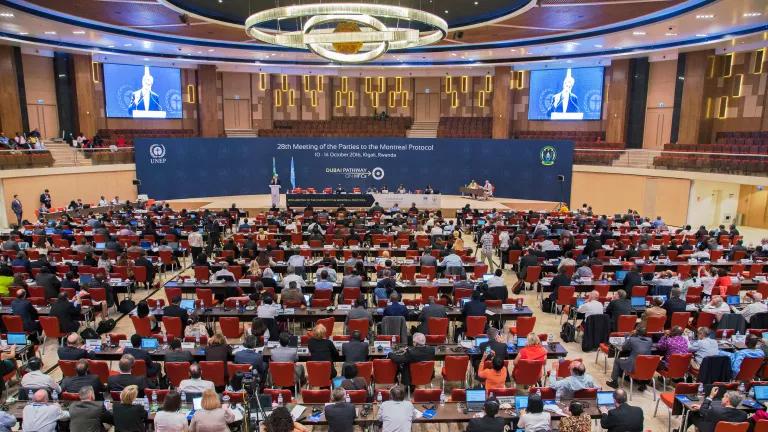
10 Years After Kigali: What Comes Next for the Global HFC Phasedown?
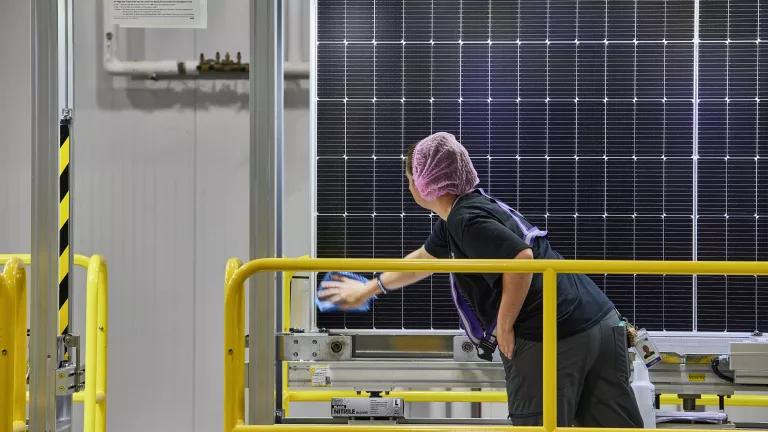
Uncovering the Secret Documents Behind the Trump Administration's Clean Manufacturing Cancellations
Latest news & commentary
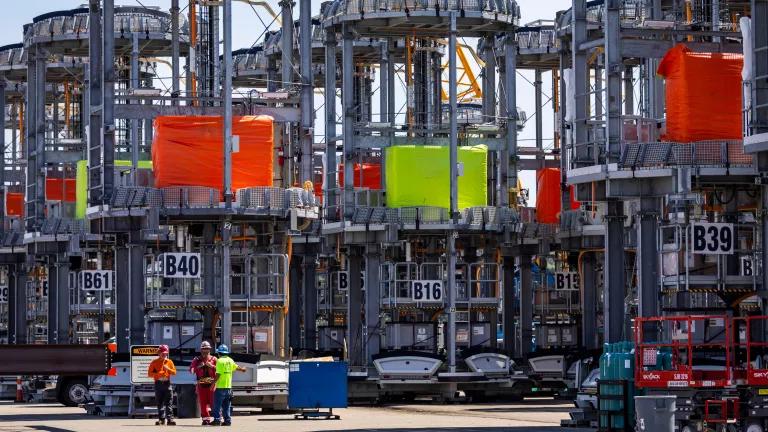
Offshore Wind Can Power the Future (If We Just Let It)

The AI Boom Is Stressing the Grid—but It Doesn’t Have to Be This Way

Why Strong Climate Action Needs a Strong Energy Department
Latest data, reports & resources

Data Centers, AI, and the Growing Demand for Energy: Impacts, Risks, and Solutions

Africa’s Energy Transition Minerals and Artisanal and Small-Scale Mining

California’s 2026 Legislative Priorities: End-of-Session Wrap-Up
Latest court battles