
Northern Alaska Environmental Center v. Trump (Offshore Leasing Ban)
Case Status
Last Update

USFWS
During his presidency, President Biden permanently protected certain areas of the U.S. Outer Continental Shelf in the Arctic, Pacific, and Atlantic oceans and the Gulf of Mexico. Citing the need to protect irreplaceable marine and coastal ecosystems, coastal communities, and subsistence uses from the harms of oil and gas development—as well as the devastating and irreversible consequences of climate change—Biden permanently withdrew these areas from future oil and gas leasing pursuant to his authority under Section 12(a) of the Outer Continental Shelf Lands Act (OCSLA). Notably, neither OCSLA nor any other provision of law authorizes presidents to undo permanent 12(a) withdrawals.
Yet on his first day in office during his second term, President Trump attempted to do just that. He issued executive order 14148, which purported to reverse the withdrawals made by Biden and reopen several areas of the Outer Continental Shelf—in the nearshore Beaufort Sea, the Atlantic and Pacific oceans, and the eastern Gulf of Mexico—to oil and gas leasing. Trump does not have either the constitutional or statutory authority to do this.
On February 19, 2025, NRDC, Sierra Club, and Earthjustice (representing a coalition of plaintiffs including the Northern Alaska Environmental Center, Alaska Wilderness League, Center for Biological Diversity, Healthy Gulf, Greenpeace, Oceana, Surfrider Foundation, and Turtle Island Restoration Network) filed a complaint in the Alaska federal court challenging Trump’s unlawful attempt to undo the permanent oceans protections put in place by Biden.
Related Court Battle
Background
Beaufort Sea, Alaska
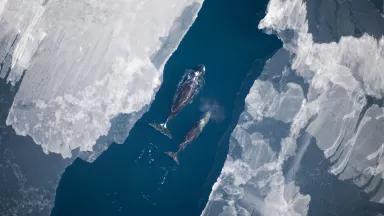
In Alaska’s Beaufort Sea, the federal waters in the Arctic Ocean provide habitat to a rich array of unique wildlife species including polar bears, walruses, whales, seals, and numerous other mammals, birds, and fish, some of them classified as threatened or endangered. Some of these animals also support thriving Indigenous Alaska Native cultural and subsistence activities.
Pacific Ocean
Federal waters in the Pacific Ocean are home to globally significant marine environments that provide enormous ecological, scientific, and economic benefits. California alone has five National Marine Sanctuaries that are the basis for some of the state’s largest economic drivers. These areas contain an extremely rich and diverse array of marine species, including gray whales, which make their annual migration of more than 10,000 miles between their wintering and calving areas in Baja California, Mexico, and their summer feeding grounds in the northern Bering and Chukchi seas in Alaska. California’s direct ocean-based economy is nationally significant for tourism, marine transport, recreation, and commercial and recreational fisheries.
Atlantic Ocean
The Atlantic Ocean's federal waters are home to important and sensitive marine species, containing highly diverse habitats and harboring important fish and shellfish populations. They also furnish nurseries, feeding grounds, and transit routes for marine animals, and feature dozens of undersea canyons, some of them 100 miles long and deeper than the Grand Canyon and rich in marine life. These waters also provide a migration corridor for endangered North Atlantic right whales that connects feeding grounds in the Gulf of Maine to calving areas offshore Florida. Businesses along the U.S. Atlantic coast— including fishing, tourism, and recreation industries—are heavily dependent on the health of this ocean ecosystem and are major contributors to the region’s economy.
Gulf of Mexico
The Gulf of Mexico supports thousands of species ranging from simple invertebrates to highly evolved marine mammals, including habitat for five of the world’s seven species of sea turtles. It is home of the critically endangered Rice’s whale, a species that scientists estimate may have only 50 individuals remaining. Millions of people who live in Gulf Coast states depend on this productive marine environment to support coastal fisheries, tourism, and recreational opportunities.
Case Documents
NAEC plaintiffs' 2025 complaint (LCV v. Trump, 2025) (PDF)RELATED CONTENT

League of Conservation Voters v. Trump (Offshore Leasing Ban)
The Fight to Keep Oil and Gas Rigs Out of Our Waters. For Good.
