
NRDC v. Minnesota Department of Agriculture
Case Status
Last Update

An orange-belted bumblebee collecting pollen in St. Louis County, Minnesota
Neonicotinoids (neonics) are neurotoxic insecticides that pose serious threats to both environmental and human health. Neonics are a leading cause of massive declines in the populations of bees and other pollinators, birds, and fish, with studies also linking them to birth defects in white-tailed deer. Research also links prenatal exposure in people to birth defects of the heart and brain, cognitive impairment, and autism-like symptoms in children, as well as a host of neurological and reproductive harms in adults.
Neonics are most commonly used as seed coatings or “treatments” on crop seeds like corn and soybeans. But study after study shows that neonic-treated seeds provide no economic benefits to the farmers who use them in the vast majority of cases. In fact, using neonics can actually hurt farmers by killing pollinators, other beneficial insects, and healthy microbes in the soil, ultimately reducing crop yields and soil health. Despite the threats they pose and the lack of benefits they provide, neonic-treated seeds are pervasive in America’s agricultural systems.
Minnesota is a prime example. Minnesota farmers plant neonic-coated corn and soybean seeds on more than 11 million acres—approximately one-fifth of the state’s total area—every year. More than 95 percent of the toxic neonics applied to those seeds leave the plant, leaching into the soil and water, where they can contaminate other plants, animals, and people. Neonics have been found in the bodies of more than 90 percent of Minnesota’s white-tailed deer and in waters across the state. They readily spread to drinking water resources as well. In recent nationwide testing, more than 95 percent of pregnant women had neonics present in their bodies.
Learn More
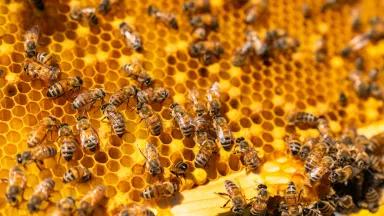

The Minnesota Department of Agriculture (MDA) has long understood the threats that neonics pose to the environment and human health, but it has done nothing to curb them. The department’s own data show that neonic-treated seeds are leading to bee deaths and that neonics are present at ecologically harmful levels in surface water and groundwater. Yet the MDA has never directly regulated their use and, in response to an October 2024 rulemaking petition, again refused to take any action.
On August 4, 2025, NRDC and the Minnesota Center for Environmental Advocacy (MCEA) sued the MDA over its failure to adequately protect the state’s natural resources from neonic pollution from coated seeds. We argued that, in refusing to take action, the MDA is violating Minnesotans’ rights under the Minnesota Environmental Rights Act.
On January 15, 2026, we entered into a court-sanctioned settlement agreement requiring MDA to assess whether its regulations violate MERA by March 1, 2027. MERA provides that where a plaintiff makes a plausible showing that an agency is violating the act, the agency must issue an order regarding its compliance with MERA. That order is then subject to judicial review. By entering into this settlement, NRDC and MCEA are expediting this process as much as possible. And we stand ready to continue pushing MDA to finally issue long-overdue regulations reining in overuse of neonic-treated seeds.
Case Documents
NRDC and MCEA v MDA Plaintiffs' Complaint, August 4, 2025 (MN neonics) (PDF) NRDC Action Fund, MCEA, and Minnesota Trout Unlimited's Rulemaking Petition to MDA, October 15, 2024 (MN neonics) (PDF) NRDC and MCEA v. MDA Stipulation for Remand, January 15, 2026 (PDF) NRDC and MCEA v. MDA Order on Remand, January, 21, 2026 (PDF)RELATED CONTENT

Minnesota’s Water Quality Wake-Up Call
Minnesota Executive Order Protects Boundary Waters After Congress Strips Federal Safeguards
