Featured Expert Blogs

Viewing 1 - 20 of 61

Can FAIR Plans Help Build a More Resilient Future?

Expert BlogUnited States, California, Texas, Florida, AlabamaAlfonso Pating, Rob Moore

FAIR plans, aka Fair Access to Insurance Requirements plans, are state-mandated property insurance plans that provide coverage to individuals and businesses.

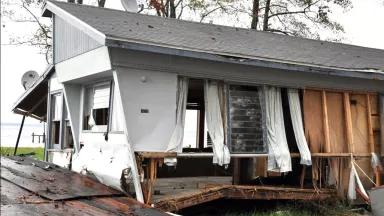
Weaker Building Codes in North Carolina's Future.

Expert BlogNorth CarolinaRob Moore
North Carolina already has some of the weakest building codes in the nation when it comes to protecting people from hazards and disasters, according to the Federal Emergency Management Agency’s Division of Building Sciences. But the state’s legislature is determined…

Mountain Valley Ruptures, Yet Claims It's Gas Ready

Expert BlogVirginia, West Virginia, North CarolinaGillian Giannetti, Amy Mall

On May 1, Mountain Valley suffered a major rupture during safety testing. But it still wants to start flowing gas next week.

Driving to the Future in the South

Expert BlogGeorgia, North Carolina, VirginiaPatrick King II

Southeastern States Have Great Clean Transportation Opportunities to Fight the Climate Crisis

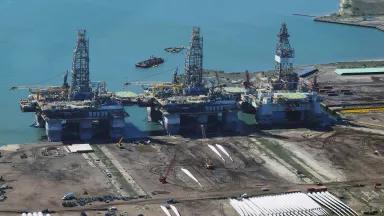
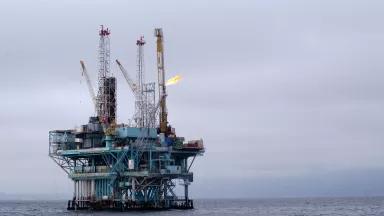
Holding BOEM Accountable for Offshore Leasing Reform

Expert BlogTexas, Louisiana, Mississippi, AlabamaRebecca Loomis

New offshore leasing proposed by BOEM would cause unacceptable harm to our climate, ocean, and Gulf communities. But agency reforms can help lessen the impacts.

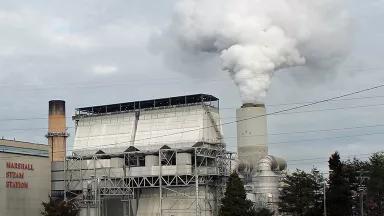
Winter Storm Elliott Report Highlights the Risk of Natural Gas Failures

Expert BlogUnited States, East, Alabama, Florida, Georgia, Mississippi, South Carolina, Tennessee, TexasDana Ammann
PJM’s report on Winter Storm Elliott found that gas generators were responsible for 70 percent of forced outages during December 2022. Climate change will only intensify future severe weather. 

Rate Increases and Blackouts: Duke Energy’s Strategy for 2023

Expert BlogNorth Carolina, South Carolina, Alabama, Georgia, Tennessee, EastLuis Martinez
Duke failed to keep the lights on last December, but it is now pursuing enormous rate increases of more than 30 percent to help pay for fossil fuels and huge executive salary raises.