California, Midwest, Illinois, Chicago, Minneapolis, Michigan, New York, New Jersey, Oregon, Washington, Colorado, Connecticut, Maine, Massachusetts, Vermont, Minnesota, Nevada, Virginia, San Diego, San Jose (California)
From energy efficiency to electric vehicles, NRDC is transforming the places where we live and work and how we get around.
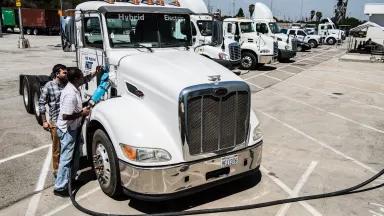
The White House is announcing new measures to cut tailpipe pollution from trucks and spur the spread of zero-emitting buses to communities across the nation.
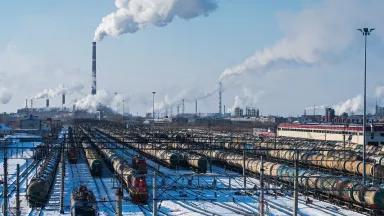
The results of a new study are concerning because methane is a powerful climate pollutant that has a global warming potential (GWP) 86 times more than carbon dioxide over a 20-year period.
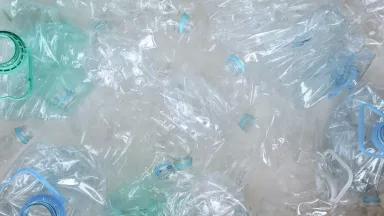
NRDC conducted in-depth research on “chemical recycling” and concluded that “chemical recycling” is a dangerous false solution to the growing plastic waste crisis—and it shouldn’t be considered recycling.
NRDC and the U.S. Environmental Protection Agency have entered into a settlement agreement requiring EPA to evaluate the impacts of bee-killing neonicotinoid insecticides on species listed as threatened or endangered.
We clarify the questions about electric truck availability, cost, and charging infrastructure, as well as concerns such as current supply chain issues.
The latest report by the United Nations Intergovernmental Panel on Climate Change (IPCC) confirms what housing advocates and activists have long known: healthy, decent, affordable, sustainable housing must be at the core of the climate transition.
Strong protective measures are required to protect critically endangered North Atlantic right whales and other marine wildlife during offshore wind survey activities.
The investments in the Infrastructure Act geared towards food waste reduction can help achieve several benefits, including reduced climate emissions, healthier soils, and job creation.