Leading aid, development, faith-based, and environmental groups today are urging the Biden Administration to commit to significantly increase the U.S. contribution in international climate finance, which would be used to protect vulnerable countries, spur greater climate action and persuade other…
The Build Back Better package is an important first step to meet the need for clean and efficient buildings, but it is only a first step in a marathon, and much more is going to be needed to decarbonize buildings…
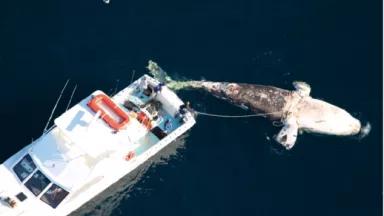
Oregon Department of Fish and Wildlife (ODFW) has developed a Draft Conservation Plan outlining how the state will reduce entanglements of endangered and threatened whales and sea turtles in the Oregon commercial Dungeness crab fishery.
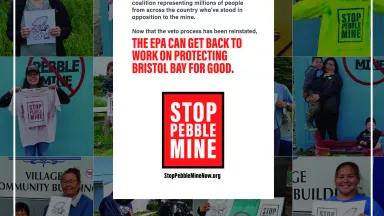
A broad, bipartisan coalition is running ads thanking the U.S. Environmental Protection Agency (EPA) for restarting the process to protect Alaska’s Bristol Bay and stop the Pebble Mine.
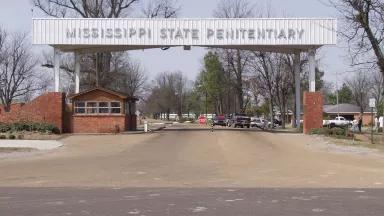
An investigation by NRDC and our partners at the Southern Poverty Law Center (SPLC) reveals repeated drinking water and wastewater violations at the notorious Parchman prison in Mississippi.
Los defensores del NRDC y nuestros socios pasaron décadas luchando contra un pesticida altamente tóxico que daña a los niños, a los trabajadores agrícolas y a sus familias. En agosto, la EPA finalmente lo prohibió.
NRDC advocates and our partners spent decades fighting against a highly toxic pesticide that harms kids, farmworkers, and their families. In August, the EPA finally banned it.
Advancing nature-based solutions—such as protecting and restoring blue carbon ecosystems in Latin America and beyond—must be an integral part of global climate action.
President Biden announced today that the United States and the European Union have pledged to reduce emissions of methane, a powerful but short-lived pollutant arising from livestock, waste, and oil, gas and coal operations—all contributing to climate change.
Expert BlogInternationalSameer Kwatra, Prima Madan
Celebrating the World Ozone Day, India’s Ministry of Environment, Forests and Climate Change, released an action plan for implementing climate friendly cooling in the country.
Expert BlogNew YorkCorinne Bell, Joan Leary Matthews
On November 2nd, New Yorkers can lead a new wave of state environmental rights amendments if they decide that the state should officially recognize everyone’s right to clean air and water.
The pending Build Back Better legislation marks the beginning of a decades long battle to reach transportation carbon neutrality and more equitable communities across the United States.
Expert BlogMississippiSarah Tallman, Natalia Ospina, Marisa Guerrero, Sara Imperiale
For years, the people incarcerated at the Mississippi State Penitentiary in Parchman have reported a host of problems relating to drinking water and sewage. Now, an investigation confirms repeated and likely ongoing environmental violations at the notorious Parchman prison.