NRDC and our partners are calling for a budget reconciliation package that directs significant funding to climate-friendly agriculture and resources for underserved producers.
This year's unprecedented shortage declaration for the Colorado River should galvanize all Colorado Basin states to redouble their efforts to curtail wasteful and unnecessary uses of water and build more resilient communities.
If federal regulators do the right thing, electricity customers across the Midwest may soon be able to earn money while boosting grid reliability and clean energy.
Expert BlogUnited States, MidwestAmulya Yerrapotu, Christian Tae
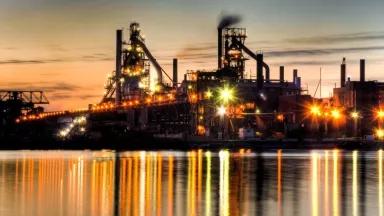
Decarbonizing the power sector to avert a climate crisis will require working at more emissions-heavy sectors like steelmaking and long-distance trucking, which are prominent in the Midwest but challenging to electrify and clean up.
With the alarming rate of global warming already underway, transitioning to electric vehicles now is critical, but it is only possible with an aggressive scale-up of charging infrastructure to accompany the shift.
Great news for anyone who watches cable: a new report confirms that the equipment in your home used to watch cable continues to get more and more energy-efficient.
Expert BlogUnited StatesLuke Tonachel, Dr. Vijay Limaye
Fossil fuel pollution from cars and trucks harms public health and contributes to the climate crisis. EPA’s plan to tighten pollution standards will benefit all Americans—if it chooses an aggressive path.
Saint Paul has taken an ambitious and important step toward meeting its climate and equity goals, passing two new ordinances—one eliminating parking minimums, and the other introducing rules that prioritize safer, healthier, low-carbon transportation options in new development projects.
Press ReleaseChicago, San Diego, San Jose (California)
Chicago, San Diego, and San José have won spots in the newly-launched Delivering Zero Emissions Communities program. Through this one-year accelerator program, the cities will join with community partners to take bold, concrete, and immediate action toward the goal of…
NRDC president and CEO Manish Bapna, an economist by training, knows that solving the climate emergency will require the global transformation of key economic systems—and that the transformation cannot wait a day longer.