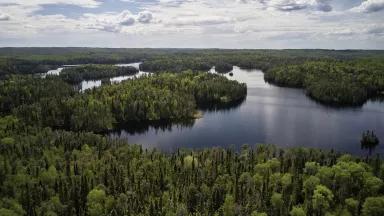
As California and New York bills to address deforestation, intact forest degradation, and Indigenous exploitation move forward in the face of Canadian opposition, Canada will have to reckon with the precarious position in which it has found itself.
Paper Excellence’s announced acquisition of Domtar spells trouble for Canada’s boreal forest, and adds to a myriad of reasons why governments and companies need to prioritize safeguarding the boreal’s carbon-rich forests, biodiversity and Indigenous rights.
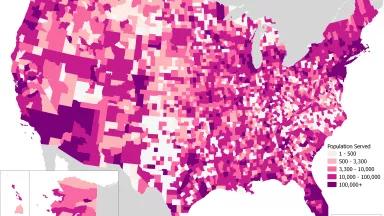
An analysis by NRDC shows that a staggering 56 percent of the U.S. population drank water from drinking water systems detecting lead levels exceeding safe levels.
Nevada State Senator Chris Brooks (D-Las Vegas) introduced Senate Bill 448 today to align electric utility plans and investments with state climate goals. This expansive proposal—which would address key issues in energy transmission, electric transportation, rooftop solar, clean electricity, renewable…
To be truly climate-smart and protective of our health, infrastructure policies and projects need to account for the inequitable burdens of disruptions such as power outages.
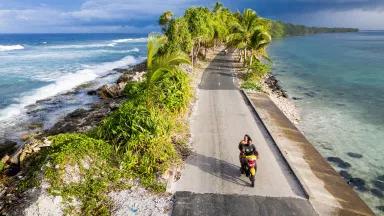
To help prepare coastlines for the worsening effects of the climate crisis, scientists need more historical sea level records from the Global South—and they’re looking everywhere, from libraries to attics.
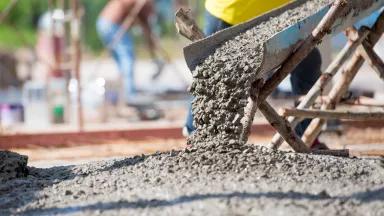
Concrete’s long-term climate relevance is not limited to emissions reduction: this ubiquitous material could one day serve as a global carbon sink. New and emerging technologies that can capture, utilize and store CO2 across multiple manufacturing phases and components of…
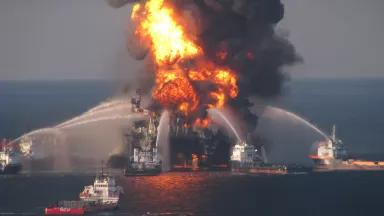
Offshore oil and gas leasing poses a threat to our coastal economies and the health of our ocean. Citizens, local communities, and elected officials from both parties recognize this danger and have been vocal in their opposition to new leasing…
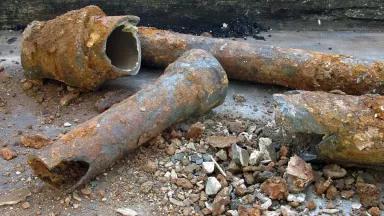
There's an unprecedented opportunity to finally fix the scourge of lead-contaminated tap water, and to address our decrepit drinking water and sewer systems. But we must act now!
Scientists are trained to question and probe uncertainties, which is valuable for scientific progress, but not necessarily helpful for clear communication of the evidence to support protective policies and timely action.
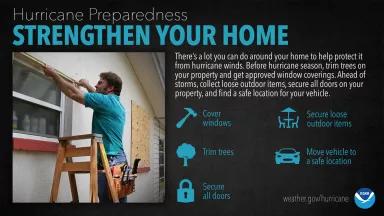
We need to ensure our essential infrastructure and health services are ready for this hurricane season and the increasingly dangerous hurricane seasons to come under climate change.