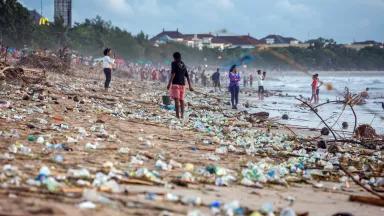
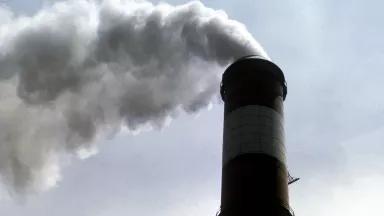
Fossil-fuel derived single-use plastics are all part of the oil and natural gas industry’s war against people and wildlife and a business model that depends on producing an astronomical amount of environmental damage, including plastic pollution.
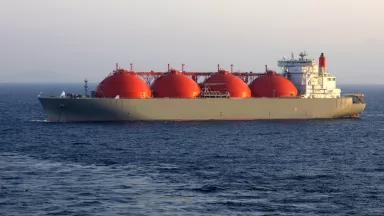
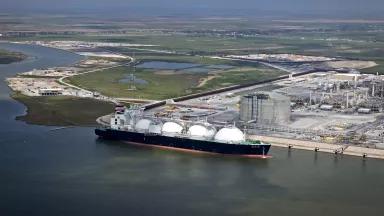
Exporting liquefied natural gas would undercut the goal of holding warming at or below 1.5° Celsius and have devastating effects on frontline communities. The United States should instead prioritize clean energy investments, both at home and abroad.
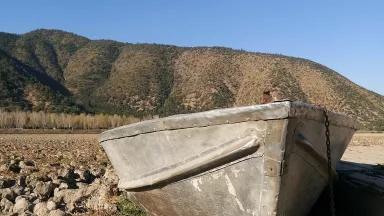
As Chile rewrites its constitution, the country should invest instead in alternative projects that avoid the harmful anticipated impacts of this hydro-highway.
NRDC’s analysis concludes that if American LNG exports expand as projected, it will be nearly impossible to keep global warming below 1.5 degrees Celsius.
The export of U.S. liquefied natural gas poses an unacceptable risk to the climate, according to a landmark analysis that looks at the life-cycle emissions of producing, processing, shipping and burning the gas.
India, the world’s fourth largest renewable energy market, needs to significantly scale up investment if it has to meet its goals of increasing renewable energy capacity.
NRDC issued a letter today to 3,000 college presidents highlighting differences in corporate food service company polices to help campus cafeteria supply contracts meet university targets to reduce greenhouse gas emissions.
The Trump Environmental Protection Agency today issued a final rule for soot pollution that leaves federal limits untouched, passing on the opportunity to save thousands of lives from pollution that harms the lungs and makes it harder to survive Covid-19.
Expert BlogUnited StatesLara Bryant, Ellen Lee, Claire O'Connor, Arohi Sharma
In describing what regenerative agriculture means to them and how they embrace the philosophy on their operations, our 100+ regenerative grower interviewees shared a handful of principles that underpin their approach to farming and ranching.
As states and communities contend with the twin challenges of an aging water infrastructure and a changing climate, leaky water systems threaten the quality and reliability of our drinking water.