There is much the United States can achieve on the national level. But the federal government can also build stronger partnerships with leading states, localities, nonprofits, and corporations that have taken new initiatives over the past 4 (and 40) years.
Expert BlogUnited StatesLara Bryant, Claire O'Connor, Ellen Lee, Arohi Sharma
The climate dread was quickly replaced with hope and joy as we learned from Indigenous stewards, Black and Brown farmers, and growers of all shapes, sizes, and in all geographies about how agriculture, and the soil under our feet, can…
The agency’s latest rollback will undercut science and transparency in determining how our national forests are maintained—all to rubber-stamp logging, mining, and drilling projects.
The U.S. Forest Service issued a sweeping rollback of protections for our national forests today, its latest effort to weaken landmark rules established five decades ago under the National Environmental Policy Act.
Warmer and more acidic than ever before, ocean conditions are driving marine life to search for cooler waters, helping fuel harmful algal blooms, and destroying important habitats like coral reefs. We must take real and immediate action to help our…
Expert BlogUnited StatesDavid Doniger, Ben Longstreth
El presidente electo Biden presentó los compromisos climáticos más audaces que cualquier otro presidente haya presentado jamás. El definió la crisis climática como una de las cuatro “grandes batallas de nuestro tiempo”, junto con la pandemia, la recuperación económica y…
The Fed, the U.S. central bank, has moved from irregular mentions to a concerted effort to roll out a spate of new ideas and endeavors that highlight the risks of climate change to our financial system.
When President-elect Joe Biden takes office, he’ll lead the United States in a time in which our country faces intertwined crises related to climate change, COVID-19 and its related economic effects, and racial injustice. Ambitious, cross-cutting and well-designed climate action…
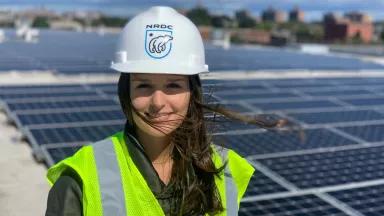
NRDC's headquarters now uses 100 percent solar energy to power electric consumption, any excess energy not used will be fed back into the electrical grid.
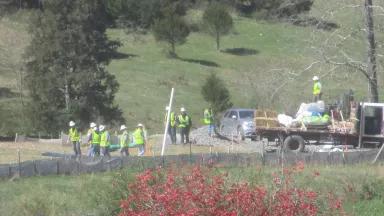
Workplace and community safeguards for COVID-19 need to be in place before any work continues and in case full construction is permitted to resume during the pandemic.