After a hard-fought campaign by NRDC and our Save San Onofre coalition partners that has spanned almost two decades, Governor Newsom signed Assembly Bill (AB) 1426 by Assembly Member Tasha Boerner Horvath, which ensures no road infrastructure can be built…
In a rare bipartisan move for Congress, Senators Cory Booker (D-NJ) and John Cornyn (R-TX) today introduced the Preventing Future Pandemics Act of 2020, which would tackle wildlife trade to help prevent future zoonotic viruses like COVID-19, while also curbing…
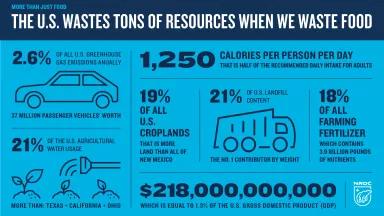
Today marks the first observance of the International Day of Awareness of Food Loss and Waste across the globe. It’s time that we acknowledge the environmental, economic, and social effects of food waste. Reducing food waste is something we can…
Find out the latest on state EV polcies in India. Nearly all the state EV policies prioritize two and three-wheelers, public transportation, and job creation. However, the policies differ in terms of targets, supply side incentives, and demand side incentives.
The transportation sector is the largest contributor of greenhouse gas emissions in the United States. NRDC has identified several transportation policy solutions that will improve our climate while also benefiting our communities in an equitable way.
California could electrify millions of homes while giving an economic boost to the residents who need it most, but policies must be designed with an understanding of where and under what conditions low-income Californians live. A new, in-depth analysis of…
A new report released today shows how Colorado can reach its ambitious climate goals in a way that cuts dangerous pollution, particularly in communities disproportionately impacted by air pollution. The findings highlight the need for swiftly powering the electric sector…
Ignoring shocking undercover videotapes released last week, CEO of Canadian owner of proposed Bristol Bay copper mine asserts “rule of law” dictates approval of federal permit.
In the middle of a pandemic, an economic recession, and everything else that 2020 is throwing at us, in early August the California Department of Water Resources (DWR) filed a lawsuit against every Californian to authorize spending an unlimited amount…
Court CaseInternational, United States, AfricaClosed
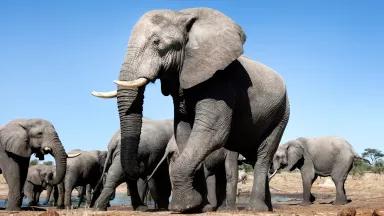
The Trump administration’s International Wildlife Conservation Council—which promoted the killing of elephants, lions, and giraffes by U.S. trophy hunters—was unbalanced, deceitful, and illegal.
Un informe nuevo publicado hoy en Colorado visualiza un futuro donde cada comunidad puede disfrutar de aire y agua limpia, cada familia puede cubrir el gasto de mantener su hogar cálido en invierno, cada persona en Colorado puede participar en…
A new report outlines pathways for the state to achieve the greenhouse gas emissions reductions required by HB-1261—as well as the health and equity implications of statewide climate actions.
Rather than strengthening the desperately outdated Lead and Copper Rule to protect people’s—especially children’s—health, the agency chose to weaken it.
A draft of the U.S. Environmental Protection Agency’s (EPA) final revision of the Lead and Copper Rule (LCR) revealed today indicates the agency will significantly weaken public health protections against lead contaminated drinking water being delivered to millions of homes…