The March 2000 defeat of Mitsubishi’s proposal to industrialize the last undisturbed breeding and calving lagoon of the Pacific gray whale remains one of the great environmental successes in history.
Virginia Gov. Ralph Northam is slated to soon sign the “Virginia Clean Economy Act,” a bill approved by the General Assembly that will significantly expand renewable energy and address climate change.
Nineteen large buildings are now on the path to shrinking their carbon footprints under San Jose’s new Better Buildings program, which will advance both the goals of Climate Smart San Jose—the City’s climate action plan—and compliance with the city’s new…
Transit Forward Philadelphia, an unprecedented coalition of local organizations focused on making the regional transit network more equitable, accessible, safe and sustainable, celebrated its official launch today. Member groups representing labor, commerce, elderly rights, health and the environment have united…
Proposed changes to federal regulations in community development and lending are an assault on decades of work in fighting the impacts of racial segregation, discriminatory and race-based investment practices, increased risks from pollution and climate change, and unchecked government power…
China is seizing upon this opportunity to re-examine and amend its wildlife and epidemic control policy, showing the country’s determination to ban the consumption of wildlife as food.
The idea behind the American Cities Climate Challenge is to give the 25 participating cities the resources they need to accelerate their efforts to tackle the climate crisis. With support from the Climate Challenge, San Antonio is now speeding toward…
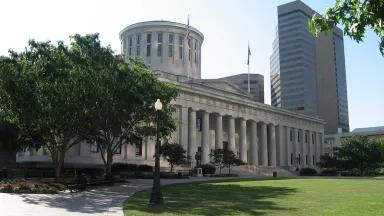
The City of Columbus, Ohio could soon ask its building owners to track and report how much energy and water is used at their properties as part of a new benchmarking and transparency ordinance. If city council passes the policy…
New data offers the first official state-by-state look at 2019 – what was built, what was closed, and what it means for our nation’s power mix and emissions.
The U.S. Environmental Protection Agency this week broadened its plans to limit scientific studies that traditionally have been used in designing safeguards to protect public health.
Thanks for signing up. You’ll receive your first NRDC action alert and update email soon!