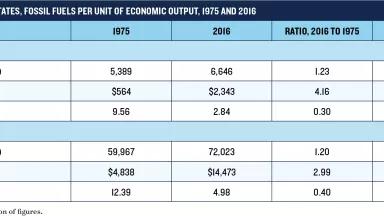
NRDC has completed a comprehensive and rigorous comparison, over the four decades since 1975, of the California economy’s energy intensity versus that of the rest of the country.
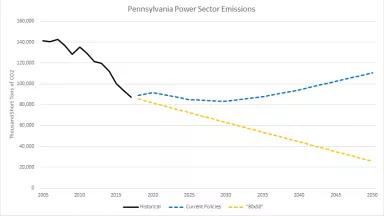
To avoid the worst impacts of climate change, we need to make dramatic cuts in greenhouse gas emissions. Where the power sector is concerned, that means using energy much more efficiently, scaling up renewables, and putting a legally binding and…
For most of the last decade, the biggest energy story in Pennsylvania has been fracking—the use of hydraulic fracturing and horizontal drilling to extract shale gas—and the dramatic increase in gas production that fracking has driven.
A coalition of six conservation groups commend the federal government’s new measures to support Southern Resident killer whale recovery. The measures are the boldest yet; greater whale-watching restrictions, expanded voluntary slow downs for international shipping and the creation of no-vessel…
Governor Andrew Cuomo announced the adoption of final regulations to make New York coal-free by the end of 2020. The newly issued regulations require all power plants in the state to meet stringent emissions limits for carbon dioxide and will…
We need to continue to work with elected leaders from both sides of the aisle to pass legislation to protect our coasts and oceans from offshore drilling for good.
The U.N. report makes clear in detailed and compelling fashion, just what is at stake in ending this assault on our matchless biological heritage in Alaska.
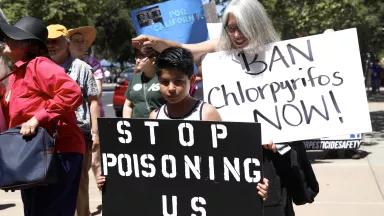
In a groundbreaking win for children in California—and across the United States—Governor Newsom’s administration started the process to ban the pesticide chlorpyrifos.
The City of Milan, a hub for food systems work, is a pioneer city working toward achieving Sustainable Development Goal 12.3—to cut 50% of its food waste by 2030.
If you care about the future of life on Earth, the United Nation’s report on biodiversity hit you like a ton of bricks: 1 million species of plants and animals will soon face extinction—and humanity itself hangs in the balance.
California’s Environmental Protection Agency today announced a ban on the use of chlorpyrifos, a pesticide linked to learning disabilities in children that is widely used on fruits and vegetables across the country.