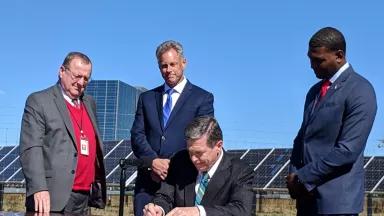
With a new executive order, North Carolina establishes its commitment to aggressively reduce greenhouse gas emissions, transition to clean energy and improve its resiliency.
Both current onshore oil production and the prospects for future oil expansion in Florida are minimal. Yet efforts continue to develop small amounts of oil and gas, at the expense of Florida’s sensitive natural resources, including the Everglades.
For World Cities Day 2018, we celebrate the important role of transportation and green infrastructure solutions to fight climate change and build more resilient and vibrant cities in Latin America.
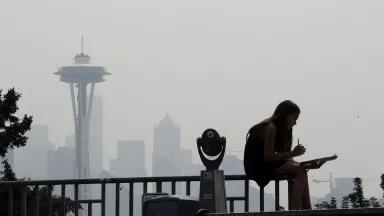
Where quick-spreading fires are the “new normal,” some state officials and communities are willing to try whatever it takes to prevent—or better prepare for—the next big blaze.
The Environmental Protection Agency reviews federal agencies's environmental impact statements for quality of the analysis and the scope of the possible environmental harm of a project. The Agency quietly ended a 30-year-old policy of scoring the quality of the work…
We owe it to our present and future selves to urgently drive down climate-changing pollution and ready our public health and emergency response systems for the worst-case storms of the future.
While it’s increasingly well known that green banks are a way to mobilize that capital, there hasn’t been a resource for understanding exactly how they do it on the transaction level—until now.
North Carolina Gov. Roy Cooper today announced an executive order with national implications that responds to the threat of climate change with a formidable agenda to build resiliency, sharply reduce greenhouse gas pollution, expand clean energy and create clean energy…
Bloomberg Philanthropies, the Natural Resources Defense Council and partners today announced that St. Paul, Minneapolis, Chicago, Cincinnati, St. Louis, Indianapolis, and Columbus are among the 20 winning cities in the Bloomberg American Cities Climate Challenge. These Midwest cities join eight…