WASHINGTON – The Senate Energy and Natural Resources Committee is set to vote Wednesday on a bill drafted by its chairman, Sen. Lisa Murkowski (R-AK), which would open the Arctic National Wildlife Refuge to oil and gas drilling.
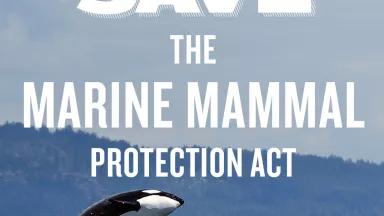
How do you celebrate the 45th anniversary of the nation’s flagship law that has served as a bedrock for marine mammal protection and conservation? If you are NRDC and other groups, you celebrate its successes—the countless thousands of whales, dolphins…
Developing and emerging economies could save $40 billion worth of electricity and prevent 320 million metric tonnes of carbon pollution annually simply by transitioning to LED lighting, according to estimates from United Nation’s Environment. Today speakers at a side event…
The federal government should fund a thorough rebuilding effort that provides immediate relief while increasing resilience, reliability, and energy independence.
Oregon is the latest state to take major action to accelerate energy efficiency in buildings, thanks to a groundbreaking executive order (EO) signed by Governor Kate Brown that sets the state on a path to dramatically reduce water and energy…
New York, NY —Lin-Manuel Miranda, his wife Vanessa Nadal, and Prizeo, the online platform that democratizes giving, announced today that they are offering the chance for one lucky fan and a guest to attend the West End opening night of…
A clean and modern transportation system that gets people to work, school, recreation, and businesses safely and efficiently is a prerequisite for a robust economy in the 21st century.