Data, Reports & Resources

NRDC is a leader and trusted source in environmental policy and research. 

From reports to issue briefs, we ensure accountability through peer review led by our Science Office, which provides data and scientific analysis that help shape and guide NRDC’s policies and positions. We also offer a range of other resources, such as 101 guides and consumer-focused scorecards to increase access to knowledge about how everyone can be a catalyst for change. 

Featured Data, Reports & Resources

Viewing 141 - 160 of 450

Building Batteries Better: Doing the Best With Less

ReportUnited StatesJordan Brinn
Reducing the amount of mining needed through improvements in battery technology, second-life applications for vehicle batteries, and better recycling is key to reducing harms caused from battery supply chains.

Greenhouse Effect 101

GuideUnited States, InternationalMelissa Denchak
By increasing the concentration of greenhouse gases in the atmosphere, we’re amplifying the planet’s natural greenhouse effect and turning up the dial on global warming.

Comments on EPA’s Proposed MCLs for Six PFAS with Exhibits (PDF)

Comments
NRDC, as part of a coalition of 36 organizations, submitted comments on the U.S. Environmental Protection Agency’s (EPA) proposed National Primary Drinking Water Regulation for six per- and polyfluoroalkyl substances (PFAS). Also included as exhibits are technical comments and further...

Waiting Game: How the Interconnection Queue Threatens Renewable Development in PJM

ReportUnited States, Delaware, Illinois, Indiana, Kentucky, Maryland, New Jersey, North Carolina, Ohio, Pennsylvania, Tennessee, Virginia, West Virginia, Washington, D.C.Dana Ammann
New NRDC analysis has found that even under recent reforms, the country’s largest grid operator is unlikely to approve new renewable projects quickly enough to meet even mandatory minimum state standards.

Clean Energy Now for a Safer Climate Future

ReportUnited StatesJacqueline Ennis, Amanda Levin
Should the United States fail to reduce emissions in the near term, it will need to rely on riskier and more expensive technologies in later decades to rush to the net zero target.

The EPA’s Power Plant Carbon Rules Can Be Built to Last

Issue BriefUnited StatesLissa Lynch, David Doniger

The EPA has a firm legal basis for strong power sector standards that will accelerate the sector’s ongoing reduction of carbon pollution and help meet the urgent threat of climate change

Tapping the Power of Wetlands to Secure a Thriving Planet

Issue BriefUnited StatesKate Poole
Even though wetlands cover only about 5 percent of the land in the coterminous United States, they support nearly half of all species federally listed as threatened or endangered, harbor more than 30 percent of plant species, and provide essential…

La contaminación del agua: Todo lo que necesitas saber

GuideUnited States, InternationalMelissa Denchak

Nuestros ríos, embalses, lagos y mares se están ahogando en productos químicos, residuos, plásticos y otros contaminantes. A continuación te explicamos por qué y qué puedes hacer para ayudar.

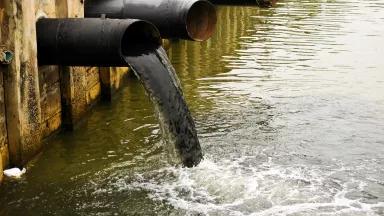
Water Pollution: Everything You Need to Know

GuideUnited States, InternationalMelissa Denchak
Our rivers, reservoirs, lakes, and seas are drowning in chemicals, waste, plastic, and other pollutants. Here’s why―and what you can do to help.

NRDC Experts and Events at COP27

OverviewInternational, Canada, India, United StatesManish Bapna, Amanda Maxwell, Brendan Guy, Carolina Herrera, Joe Thwaites, Shruti Shukla, Sameer Kwatra, Anthony Swift, Khalil Shahyd, Lisa Speer, Jennifer Skene, Nan Zeng, Jake Schmidt, Doug Sims, Marissa Ramirez, Prima Madan
Analysis and events focusing on the concrete steps we need to cut global emissions in half in this decisive decade, and to adapt to the mounting climate change impacts we can no longer avoid.

NRDC Polling on a Potential Lead and Copper Rule

PollingIllinois, Missouri, Wisconsin
This nationwide polling survey was conducted nationally and in Illinois, Missouri, and Wisconsin on opinions on various provisions of a potential lead and copper rule. The poll was conducted in mid-October, 2022.