
How States Stack Up on Oil and Gas Regulation
A new NRDC report reviewed regulations in the 12 largest oil- and gas-producing states and found that states are not consistently stepping up to fill regulatory gaps and protect communities.

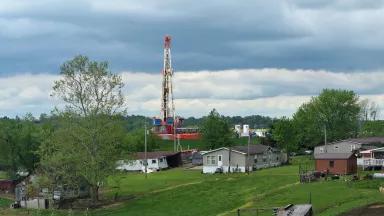
An Antero Resources fracking rig near homes in Beaver, Ohio

The U.S. oil and gas production sector has boomed over the past 20 years, with 30 percent more wells in production in 2020 than in 2000, making us the world’s largest fossil fuel producer—with expansion likely to continue in the near future. This dirty industry brings a host of significant harmful environmental and public health impacts to local communities. With a federal administration that is reversing scant federal oil and gas restrictions and abandoning environmental protection, state regulation and enforcement are more important than ever.
A new NRDC report analyzes state regulations in the top 12 oil- and gas-producing states over the past 15 years to determine whether these states are appropriately protecting communities from the harms of oil and gas extraction. Ultimately, our report reveals that no state is doing everything it can to protect its residents; states that are leaders in certain categories remain laggards in others.
The risks from oil and gas production have been well documented; drilling and fracking processes use dangerous chemicals and unearth naturally occurring harmful substances such as heavy metals, hydrocarbons, and radioactive material. There is a significant and growing body of scientific research linking oil and gas operations to serious negative health outcomes for nearby residents—particularly infants and children.
Dozens of published, peer-reviewed scientific studies have found statistically significant adverse health outcomes for babies born to mothers living close to oil and gas operations during pregnancy. These risks include preterm births, low birth weight, small size for gestational age, decreased infant health index scores, birth defects (including heart defects and neural tube defects of the brain, spine, or spinal cord), and increased risk of infant mortality. Studies have found that the risk of these development health effects is elevated in babies that live as far as 10 miles from oil and gas activities.
Scientists have also found health problems in older children from exposure to oil and gas drilling sites and activities, including elevated risks of childhood cancers such as acute lymphocytic leukemia (up to eight miles from drilling sites), acute lymphoblastic leukemia, and childhood lymphoma. In addition to cancer, children show an increase in asthma severity, including higher rates of pediatric hospitalizations to manage asthma attacks. For adults, health threats include elevated risks of heart attacks and cardiovascular and respiratory disease.
Learn More

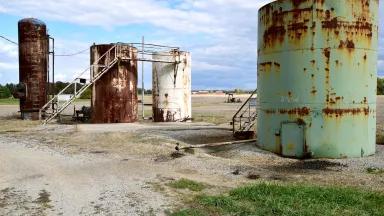
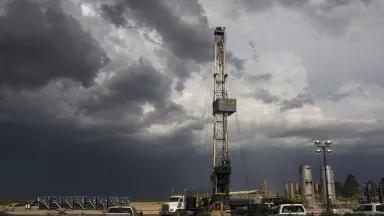
Despite increasing evidence and concerns about health risks, federal safeguards remain grossly inadequate. Bedrock federal environmental laws—including the Safe Drinking Water Act, the Clean Air Act, and the Resource Conservation and Recovery Act—have gaping loopholes that were created for the oil and gas exploration and production industry that exempt it from federal standards for groundwater contamination, toxic and radioactive waste, and dangerous air pollution.
Unfortunately, states are not stepping up to fill these gaps and protect communities. Our report reviewed regulations in the 12 largest oil- and gas-producing states, highlighting 10 key areas that impact local community health. We looked at state regulations related to notices and water testing before drilling or fracking starts, setbacks for homes, well bonding and plugging requirements, local government authority, waste spreading on land or roads, burial of waste, and wastewater discharges to surface waters.
We found that while each of the 12 states has updated some of its regulations over the past 15 years, not one state has adequately updated regulations across all the issue areas. Some states have actually weakened their protections in recent years. Ultimately, significant gaps remain in the oversight of environmental, health, and safety impacts, leaving communities and workers vulnerable to a wide range of threats.
Highlights from our findings
- One area of significant concern to communities is the setback requirement (i.e., the minimum required distance between an oil and gas production site and a sensitive location like a home or school). Such a buffer is essential to help reduce health impacts. Yet 3 of the 12 states have no statewide well setbacks whatsoever, meaning a well can be right next to a home. And of the nine states that do have setbacks, eight provide far-from-adequate health protections.
- The science is clear that nonproducing wells should be plugged in a timely manner because they can create significant air, water, or soil pollution and emit large amounts of greenhouse gases. Yet every one of the 12 states we analyzed allows oil and gas companies to apply for extensions that can be renewed multiple times, allowing wells to remain unplugged indefinitely.
- Companies are required to post financial bonds in advance of drilling to cover the costs of plugging each well and remediating the surrounding site. Of the 12 states reviewed, six have revised their bonding requirements in the past decade, but none are adequate to cover all the costs of properly plugging wells and reclaiming the landscape.
- Only one state prohibits companies from permanently burying any waste on-site. No state completely prohibits spreading drilling waste on land. And only three states currently prohibit the spreading of produced water on roads, even though it can contain dangerous contaminants and run off into soil or waterbodies.
Over the same 15-year period, oil and gas companies have enjoyed increased profits, despite their claims that stronger regulations will cause economic harm. Companies can afford better safeguards. As potential health risks continue to rise, government leaders must establish stronger rules to protect communities and workers.
Related Resources

How EPA Rollbacks Will Cost Us—in Dollars and Lives
An Affordability Crisis of Trump’s Own Making
