Data, Reports & Resources

NRDC is a leader and trusted source in environmental policy and research. 

From reports to issue briefs, we ensure accountability through peer review led by our Science Office, which provides data and scientific analysis that help shape and guide NRDC’s policies and positions. We also offer a range of other resources, such as 101 guides and consumer-focused scorecards to increase access to knowledge about how everyone can be a catalyst for change. 

Featured Data, Reports & Resources

Viewing 381 - 400 of 1047

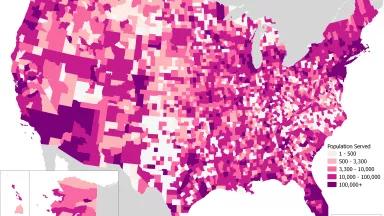
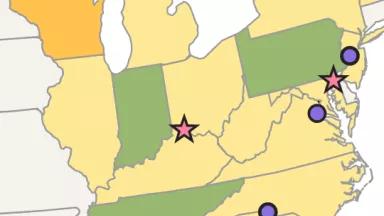
Millions Served by Water Systems Detecting Lead

MapUnited StatesKristi Pullen Fedinick
An analysis by NRDC shows that a staggering 56 percent of the U.S. population drank water from drinking water systems detecting lead levels exceeding safe levels.

Newark Safe Drinking Water Case Documents

Legal FilingsNew Jersey, Newark
In 2018, alarmed by high levels of lead in Newark’s drinking water, the Newark Education Workers (NEW) Caucus and NRDC filed a citizen suit. Browse some of the documents related to the case.

Fighting for Safe Drinking Water in Newark

OverviewUnited States, Newark, New Jersey
While Newark has made progress to address dangerous lead, the problem continues nationwide, with millions of lead pipes still delivering water to people’s homes.

Use It When We Have It

ReportUnited StatesRobert Harding, Rebecca Behrens
To stave off the worst effects of the climate crisis we must urgently transition from polluting fossil fuels to emissions-free energy. The large-scale deployment of renewable energy to replace polluting power plants and rapid electrification of our buildings, vehicles and…

Food Matters Regional Initiative

OverviewAtlanta, Baltimore, Chicago, Cincinnati, Detroit, Jersey City, Madison, Memphis, Nashville, North Carolina, Orlando, Philadelphia, Pittsburgh, Washington, D.C.
Cities are addressing food waste in a holistic way—through prevention, rescue, and recycling.

Sailing to Nowhere: Liquefied Natural Gas Is Not an Effective Climate Strategy

ReportUnited StatesChristina Swanson, Amanda Levin, Amy Mall

Exporting liquefied natural gas would undercut the goal of holding warming at or below 1.5° Celsius and have devastating effects on frontline communities. The United States should instead prioritize clean energy investments, both at home and abroad.

Race to 100% Clean

OverviewUnited StatesSophia Ptacek, Amanda Levin
U.S. states, municipalities, utilities, and corporations have made significant progress toward a fossil-free future by advancing energy efficiency and clean energy. In fact, 1 in 3 people in the United States now live in a state or city transitioning to…