
Climate Crisis Continues to Push Risks of Extreme Heat
Heat-related illnesses, deaths, productivity losses, and economic disruptions will continue to rise sharply.

Media Contact
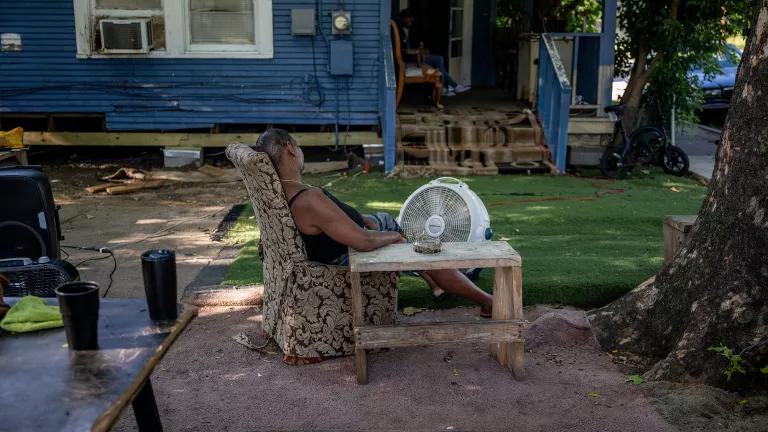
Hundreds of millions of Americans are currently suffering through a massive and dangerous heat wave. As the climate crisis worsens, record-breaking heat events like these are becoming more frequent, prolonged, and intense across the country. Despite the health, economic, and security risks caused by record-setting heat, the Trump administration is attempting to erase both the data tools needed to understand the threats and the policy solutions to address them.
Heat waves have been the top cause of U.S. weather fatalities, on average, over the past 30 years. A recent study published in JAMA estimated a 117 percent increase in heat-related deaths in the United States from 1999 to 2023. Recent heat waves have shown that no county in the nation is immune from heat-related illnesses and deaths during severe heat events. U.S. Environmental Protection Agency (EPA) data shows:
- Heat waves in major U.S. cities now occur about three times more often than in the 1960s, increasing from two to six per year.
- The typical heat wave lasts about four days, and the heat wave season is now 46 days longer than it was in the 1960s.
- Heat waves have grown more intense, with average temperatures during events rising from 2.0°F to 2.5°F above local norms.
Without decisive action, heat-related illnesses, deaths, productivity losses, and economic disruptions will continue to rise sharply. Yet, at the very moment when we need accurate climate data and forecasting most, federal agencies critical to tracking and addressing climate impacts—like the National Oceanic and Atmospheric Association, the EPA, and the U.S. Centers for Disease Control and Prevention—face systematic dismantling and severe budget cuts.
What’s at stake
- Workers face escalating risks: Outdoor and indoor workers are increasingly vulnerable. States vary dramatically in their occupational heat safety standards. NRDC’s occupational heat safety analysis and reports on heat stress and indoor worker safety offer vital insights for policymakers and employers.
- Homes and communities are vulnerable: Extreme heat demands action in our homes and local communities. Adapting infrastructure, upgrading housing standards, and enhancing community resilience is critical. NRDC’s recommendations on extreme heat and home safety provide actionable strategies for local governments and residents.
- Global implications: Heat waves aren’t limited to the United States—they’re intensifying globally, even in traditionally hot climates, leading to unprecedented and dangerous conditions worldwide. NRDC’s Global Heat and Cooling insights highlight scalable solutions and international cooperation opportunities.
RESOURCES

Occupational Heat Safety Standards in the United States

LIHEAP Needs a Lifeline
Extreme Heat Necessitates Extreme Action for Our Homes

Global Heat & Cooling Forum: Solutions for a Warming World

How to Find Relief During Summer Heat Waves in the City


Related Content

How EPA Rollbacks Will Cost Us—in Dollars and Lives

Where There’s Smoke, Heat, and Drought…
