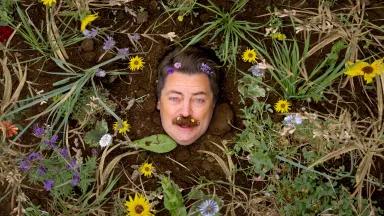
Nick Offerman's quirky new video concludes with the tagline, "Don't treat soil like dirt," and is a key part of NRDC's campaign to promote cover crops in the next Farm Bill.
NEW YORK —Actor, author and woodworker Nick Offerman takes on his dirtiest role to date, starring in an NRDC (Natural Resources Defense Council) campaign created and produced by Incredible Beast Omnimedia in which Offerman, who hails from a farming family in Minooka…
WASHINGTON – President Biden announced the creation of a new American Climate Corps—20,000 strong—to train a new generation in the skills required to confront the climate crisis.
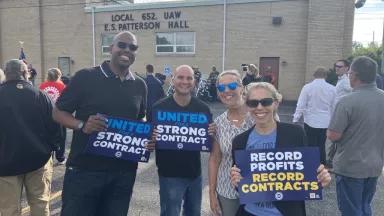
NRDC is committed to supporting the UAW, and we pledge to work with the union to ensure no worker is left behind in the transition to the clean car economy.
NRDC (Natural Resources Defense Council) today released the fifth edition of its Issue with Tissue report and sustainability scorecard (grading at-home toilet paper brands from “A+” to “F”).
California Governor Gavin Newsom signed an NRDC-sponsored bill to limit certain non-agricultural neonic uses while paving the way for additional restrictions.
NEW YORK – The United States and countries around the world are poised to exponentially increase investments to accelerate the clean energy transition, according to participants at a Climate Week green bank event today in New York City, featuring a…
Expert BlogInternational, United States, New York CityManish Bapna
As the hottest summer on record draws to a close, the next several months could determine whether the world rises to the moment—or blows past irreversible tipping points.
WASHINGTON – After months of climate-fueled disasters around the nation and facing a deadline in just a few weeks to pass a budget, the House Majority instead wasted time today voting on a measure to try and prevent states from…