Data, Reports & Resources

NRDC is a leader and trusted source in environmental policy and research. 

From reports to issue briefs, we ensure accountability through peer review led by our Science Office, which provides data and scientific analysis that help shape and guide NRDC’s policies and positions. We also offer a range of other resources, such as 101 guides and consumer-focused scorecards to increase access to knowledge about how everyone can be a catalyst for change. 

Featured Data, Reports & Resources

Viewing 1 - 20 of 68

Pump Up the Market

ReportCaliforniaMohit Chhabra

A new report outlines how to accelerate heat pump adoption in California’s residential sector by making heat pumps the obvious choice for households.

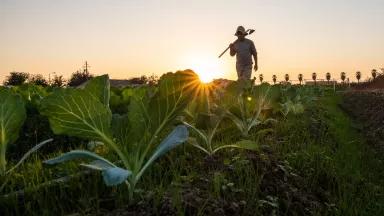
The Nitrogen Pollution Crisis

ReportUnited StatesJ.P. Rose, Dr. Daniel Rath, Arohi Sharma, Maya Korb, Matthew Kaplan

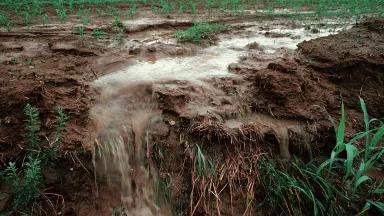
Fertilizer overuse is poisoning America’s water, air, and ecosystems.

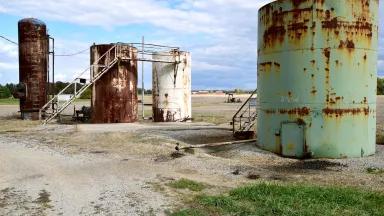
How States Stack Up on Oil and Gas Regulation

ReportUnited StatesAmy Mall

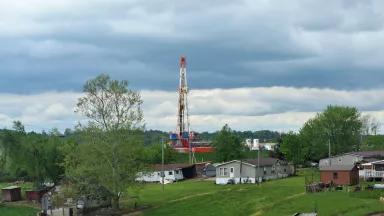
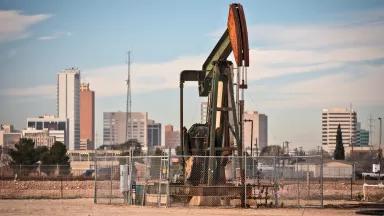
A new NRDC report reviewed regulations in the 12 largest oil- and gas-producing states and found that states are not consistently stepping up to fill regulatory gaps and protect communities.

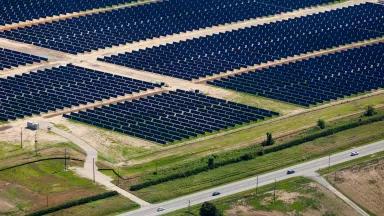
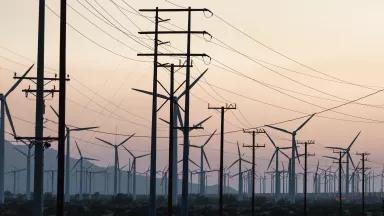
Waiting Game: How the Interconnection Queue Threatens Renewable Development in PJM

ReportUnited States, Delaware, Illinois, Indiana, Kentucky, Maryland, New Jersey, North Carolina, Ohio, Pennsylvania, Tennessee, Virginia, West Virginia, Washington, D.C.Dana Ammann
New NRDC analysis has found that even under recent reforms, the country’s largest grid operator is unlikely to approve new renewable projects quickly enough to meet even mandatory minimum state standards.

Clean Energy Now for a Safer Climate Future

ReportUnited StatesJacqueline Ennis, Amanda Levin
Should the United States fail to reduce emissions in the near term, it will need to rely on riskier and more expensive technologies in later decades to rush to the net zero target.

State-Based Food Waste Policy Gap Analysis and Inventory Reports

ReportMaryland, New Jersey, Pennsylvania, Washington, D.C., Florida, Georgia, North Carolina, Tennessee, Illinois, Michigan, Ohio, Wisconsin, ColoradoDarby Hoover, Yvette Cabrera
Food waste costs the US $408 billion each year. Producing food that we do not consume swallows up roughly 18 percent of America’s cropland and 14 percent of our fresh water, and generates about 270 million metric tons CO2 equivalent…

Feeding a City: Food Waste and Food Need Across America

ReportUnited States, Denver, New York City, NashvilleAndrea Collins
The first step in reducing municipal food waste is data gathering: understanding the amounts and sources of wasted food at the local level, as well as the amounts and sources of surplus food that potentially could be rescued instead of…

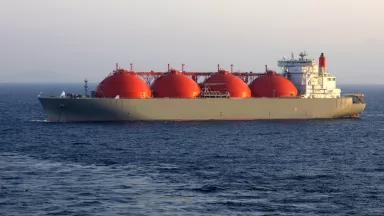
Sailing to Nowhere: Liquefied Natural Gas Is Not an Effective Climate Strategy

ReportUnited StatesChristina Swanson, Amanda Levin, Amy Mall

Exporting liquefied natural gas would undercut the goal of holding warming at or below 1.5° Celsius and have devastating effects on frontline communities. The United States should instead prioritize clean energy investments, both at home and abroad.

NRDC's Annual Energy Reports

ReportUnited StatesRalph Cavanagh, Amanda Levin, Sophia Ptacek
NRDC each year reviews the most recent data to present an overall picture of the U.S. energy sector, which is undergoing a major shift toward increasing amounts of renewable energy and cost-effective energy efficiency. However, America still must do more…