Data, Reports & Resources

NRDC is a leader and trusted source in environmental policy and research. 

From reports to issue briefs, we ensure accountability through peer review led by our Science Office, which provides data and scientific analysis that help shape and guide NRDC’s policies and positions. We also offer a range of other resources, such as 101 guides and consumer-focused scorecards to increase access to knowledge about how everyone can be a catalyst for change. 

Featured Data, Reports & Resources

Viewing 1 - 20 of 26

Perforaciones en alta mar 101

GuideAlaska, West, Louisiana, Georgia, North CarolinaShelia Hu
Una mirada a cómo funcionan las perforaciones en busca de petróleo y gas en los océanos, y por qué es hora de que pasen a la historia.

Offshore Drilling 101

GuideAlaska, West, Louisiana, Georgia, North CarolinaShelia Hu
A look into how drilling for oil and gas in the oceans works—and why it’s time to make it history.

Plásticos de un solo uso 101

GuideUnited StatesCourtney Lindwall

Aquí está todo lo que necesita saber sobre el omnipresente (y evitable) desperdicios plásticos: el tipo hecho para ser arrojado en cuestión de minutos.

Single-Use Plastics 101

GuideUnited StatesCourtney Lindwall
Here’s everything you need to know about the most ubiquitous (and avoidable) kind of plastic waste: the kind made to be tossed in mere minutes.

Climate Change Progress

GuideUnited States, InternationalShelia Hu

From renewable energy breakthroughs to key policy wins, climate change progress is happening—but it’s under threat. 

Food Waste 101

GuideUnited StatesShelia Hu
An overview of why we throw away so much food, how it impacts people and the planet, and what we can do to waste less.

Greenhouse Effect 101

GuideUnited States, InternationalMelissa Denchak
By increasing the concentration of greenhouse gases in the atmosphere, we’re amplifying the planet’s natural greenhouse effect and turning up the dial on global warming.

La contaminación del agua: Todo lo que necesitas saber

GuideUnited States, InternationalMelissa Denchak

Nuestros ríos, embalses, lagos y mares se están ahogando en productos químicos, residuos, plásticos y otros contaminantes. A continuación te explicamos por qué y qué puedes hacer para ayudar.

Water Pollution: Everything You Need to Know

GuideUnited States, InternationalMelissa Denchak
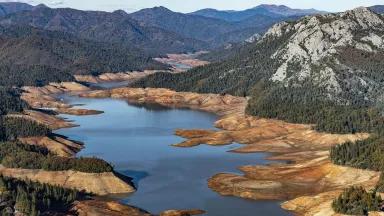
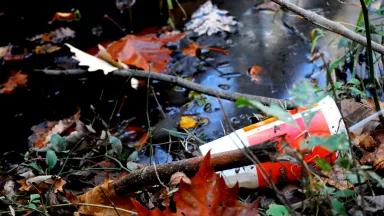
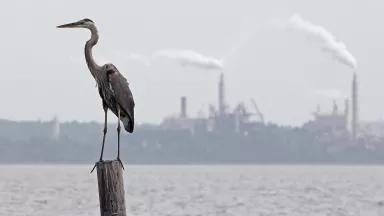
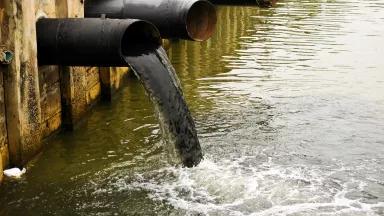
Our rivers, reservoirs, lakes, and seas are drowning in chemicals, waste, plastic, and other pollutants. Here’s why―and what you can do to help.

Acidificación de los océanos: lo que debes saber

GuideUnited States, InternationalPerrin Ireland, Shelia Hu

La contaminación por carbono no sólo ha ocasionado que nuestro clima sea más cálido, también ha causado que nuestros océanos sean más ácidos.

Industrial Agricultural Pollution 101

GuideUnited StatesCourtney Lindwall
From fertilizer runoff to methane emissions, large-scale industrial agriculture pollution takes a toll on the environment.

Ocean Pollution: The Dirty Facts

GuideInternational, United StatesMelissa Denchak

We’re drowning marine ecosystems in trash, noise, oil, and carbon emissions.

Biodiversity 101

GuideInternational, United StatesCourtney Lindwall

How do we define and measure biodiversity—and just why is it so important?

Agricultura regenerativa 101

GuideUnited StatesNRDC
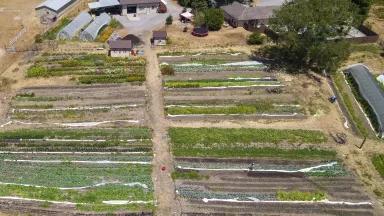
El NRDC entrevistó a más de 100 agricultores y ganaderos que construyen suelos saludables y desarrollan comunidades resistentes al clima en todo el país. Esta guía incorpora mucho gran parte de lo que aprendimos.

Regenerative Agriculture 101

GuideUnited StatesNRDC
NRDC interviewed more than 100 farmers and ranchers who are building healthy soil and growing climate-resilient communities across the country. This guide incorporates much of what we learned.

Soil Erosion 101

GuideKeith Mulvihill

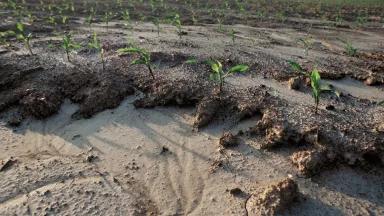
The loss of topsoil to wind, rain, and other forces is a natural process, but when intensified by human activity, it can have negative environmental, societal, and economic impacts.

Composting 101

GuideUnited StatesShelia Hu
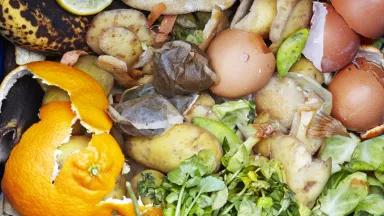
Recycling food and other organic waste into compost provides a range of environmental benefits, including improving soil health, reducing greenhouse gas emissions, recycling nutrients, and mitigating the impact of droughts.