
9 Ways to Avoid Hormone-Disrupting Chemicals
Endocrine disruptors like PFAS, BPA, and phthalates lurk in everything from cleaning products to dust bunnies.

You may remember learning in biology class that our bodies are run by a network of hormones and glands that regulate everything we do. Most often, we think about this system—the endocrine system—in the context of puberty, but it actually plays a starring role in all phases of development, metabolism, and behavior.
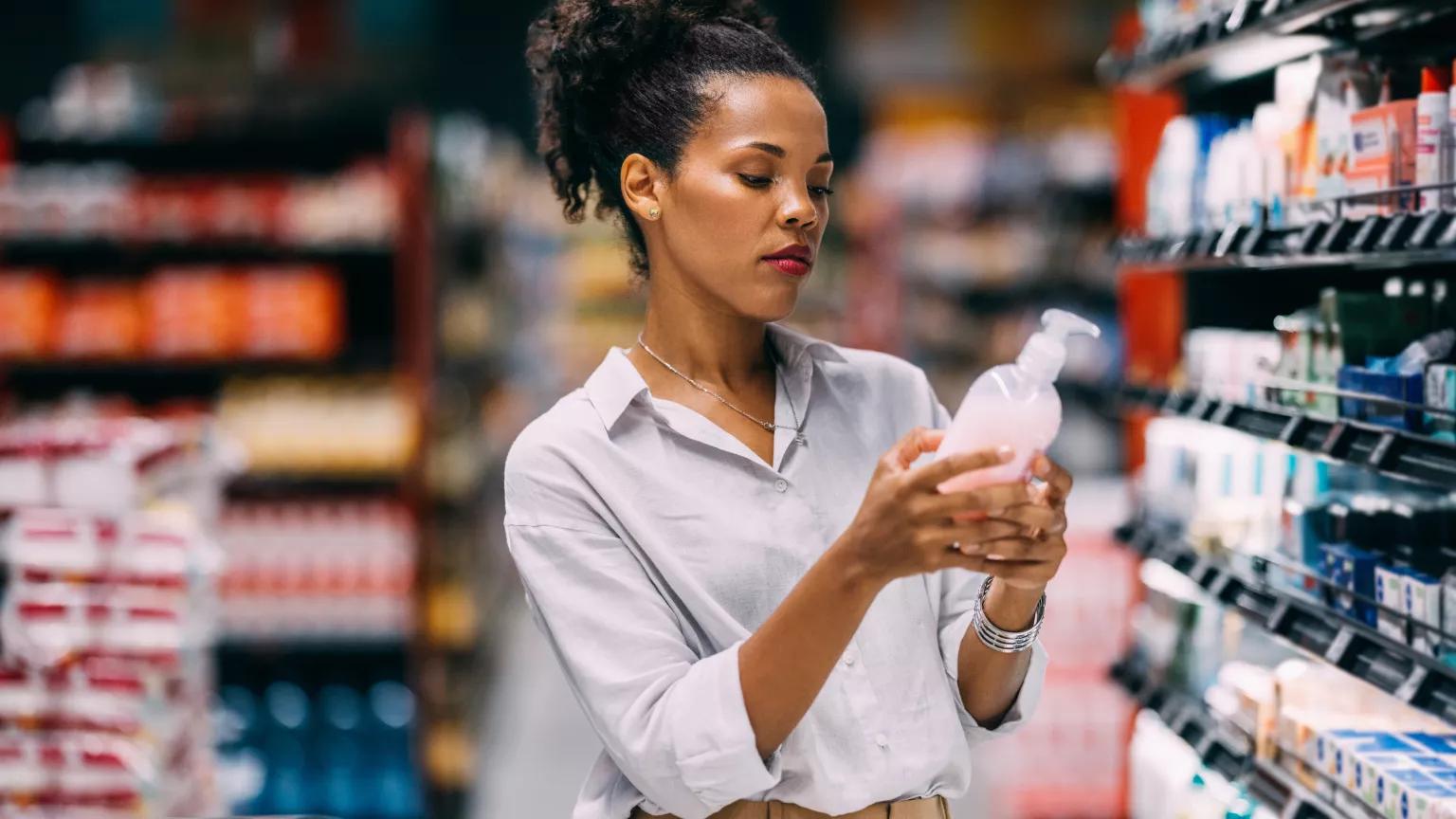
Here’s the bad news: Synthetic chemicals in products like plastics and fragrances can mimic hormones and interfere with or disrupt the delicate endocrine dance. We’re exposed to these chemicals daily, and we’re especially vulnerable to them during phases of accelerated development—including throughout childhood or a pregnancy. Fetuses are also particularly at risk. Some of the impacts on our metabolism and immune, nervous, and reproductive systems can have long-term and even lifetime adverse health effects, such as learning disabilities, obesity, diabetes, reproductive problems (including infertility), and cancer.
“We have very tight developmental windows of when, say, our brain and reproductive organs are formed,” explains NRDC senior scientist Dr. Katie Pelch. “When a hormone-disrupting chemical gets in the way during these windows, it can change the ways these processes happen, sometimes in ways that are long-lasting or permanent.”
Yes, it sounds scary, but we aren't without recourse: While NRDC works to get better safeguards in place, there are ways you can try to steer clear of endocrine-disrupting chemicals (EDCs). Here’s how.
1. Wash your hands
If you follow just one piece of advice from this list, make it this small, easy thing: Wash your hands frequently (avoiding fragranced and antibacterial soaps) and always before eating. It’s not just an important practice to stop the spread of germs but also to rid yourself of the chemical residues that we pick up throughout the day.
2. Dust and vacuum often and watch out for chemical cleaners
Even though they’re linked to hormone disruption (and cancer), PFAS and flame retardant chemicals are used in many common household products. Research shows that these chemicals escape from electronics, couches, and baby products and collect in your household dust.
By dusting with a damp cloth and using a vacuum with a HEPA filter, you’ll help trap small particles of dust instead of blowing them around the house. You'll also reduce your exposure to other chemicals that can accumulate in your home, such as lead (frequently found in older buildings).
Beware of the harsh chemical cleaning products that can introduce indoor air pollutants. It’s difficult—and often impossible—to know what chemicals any given cleaning product contains because, for the most part, companies aren't required to list the ingredients on the label. But some progress has been made on this front: California and New York have implemented ingredient disclosure laws to help consumers know what they are buying. (The California law requires cleaning products to post their ingredients online too.) And consumers across the map who are buying products manufactured in these states will likewise benefit from this transparency.
Some companies do voluntarily disclose their ingredients, and others carry the Safer Choice label from the U.S. Environmental Protection Agency (EPA), so choose those when possible. You can always make your own cleaners from safe household staples like vinegar and baking soda.
3. Turn up your nose at fragrances
Phthalates, a class of chemicals typically found in fragrance, can disrupt hormones. And there’s much more lurking behind the word “fragrance” on a label—a mix of potentially hundreds of ingredients. Also beware of the dubious greenwashing term “natural fragrances,” which doesn’t mean much and choose “fragrance-free” products over odor-masking “unscented” ones when possible. (The EPA helpfully breaks down the difference.)
Fortunately, fragrance isn’t necessary for a product to function well or be effective; the EPA Safer Choice Fragrance-Free label identifies better options to look for in the cosmetics, personal care, and cleaning aisles. And check ingredient labels to find out where else fragrance lurks; it can show up in unexpected places, such as diapers or garbage bags.
For safer ways of freshening your indoor air, open windows, use fans, and empty stinky trash cans and litter boxes instead of trying to cover them up. You can also turn to natural odor-busters like fresh flowers on the kitchen counter, citrus peels in the garbage disposal, or an open box of baking soda in the fridge.
4. Think twice about plastics
We’re surrounded by plastic. It’s wrapping our food, bottling our conditioner, encasing our phone. And many plastics contain hormone-disrupting chemicals. One commonly used shatterproof plastic (PC #7) can contain bisphenol-A, commonly called BPA, and flexible vinyl (PVC #3) often contains phthalates. These chemicals are known EDCs.
The science varies on how much of a risk these combined exposures pose in everyday life, but research shows that even very-low-dose exposures can be significant. BPA substitutes have also been found to negatively impact health, so a “BPA-free” label doesn’t necessarily mean you’re home free. A growing body of evidence also suggests a link between microplastic exposures and poor hormone production and function, among other consequences for human health.
Read our consumer guide for more ideas on reducing your plastic use.
5. Choose safer food storage
Canned foods can make meal prep a breeze, but those cans are likely lined with a plastic containing BPA to keep them from corroding. Choosing fresh, frozen, or dried foods (like beans) that aren’t packaged in cans is a smart preventive measure.
As recommended by the American Academy of Pediatrics, keep an eye out for food containers made of some of the worst plastics. Plastics with recycling codes #3, #6, or #7 contain phthalates, styrene, and bisphenols, respectively. Shopping at farmers’ markets or grocery stores that offer loose products in bulk bins and allow you to fill sturdy containers from home (like those made from cotton mesh, glass, or stainless steel) is another way to play it safe.
6. Watch what you eat
Certain pesticides have been linked to hormone disruption. Eat organic food as much as you can afford to. If your food budget is tight, choose conventionally grown foods known to have the least amount of pesticide residue. As a general rule of thumb, try to eat food that is as close to whole as possible—a roasted chicken instead of processed nuggets, for example. And consider how you prepare food as well. EDCs like PFAS can hide in nonstick pots and pans, so cook in stainless steel or cast iron instead. And of course, remember to thoroughly wash fresh produce before you eat it.
7. Avoid bottled water and filter your tap water
Drinking tap water out of a glass will reduce your exposure to microplastics and a wide variety of harmful chemicals that can leach into bottled water. Running water from the tap through an NSF-certified water filter can also, when properly installed and maintained, decrease the level of some EDCs found in water. It’s important to note that boiling your tap water can increase the concentration of certain contaminants, including PFAS.
When out of the house, take along a refillable nonplastic water bottle to stay hydrated. Adding a bit of lemon is a healthy way to give it some flavor.
8. Rethink cosmetics
Cosmetics can contain a number of EDCs that make them smell good, glide on smoothly, and be otherwise irresistible…including to kids, who find an increasing sector of the market targeted just to them. Certain types of PFAS are added intentionally for texture and consistency, as well as to help them last throughout the day, such as with waterproof mascaras and liquid lipsticks.
Keep an eye out for ingredients in cosmetics that are branded as long-wearing or waterproof, particularly for anything that includes “fluoro” or “perfluoro” in the name. In good news, 10 states—California, Colorado, Connecticut, Maine, Maryland, Minnesota, Oregon, Rhode Island, Vermont, and Washington—recently adopted restrictions on PFAS in cosmetics.
For makeup, lotions, sunscreens, and soap, check the Environmental Working Group's Skin Deep Cosmetics Database. In general, the fewer products you use, with the least amount of ingredients, the better.
9. Speak out
While the EPA has policies in place to limit the amount of some contaminants in our environment, the regulations leave too many gaps for companies to exploit. The U.S. Food and Drug Administration has also done little to tackle EDCs in foods, cosmetics, and other products in its purview.
In contrast, the European Union has taken significant steps in controlling EDCs in consumer goods and throughout the manufacturing process. Tell companies, agencies, and policymakers that we need systems in place to make sure that toxic chemicals like phthalates and PFAS stay out of our food, water, and homes in the first place.
This story was originally published January 18, 2016, and has since been updated with new information and links.
This NRDC.org story is available for online republication by news media outlets or nonprofits under these conditions: The writer(s) must be credited with a byline; you must note prominently that the story was originally published by NRDC.org and link to the original; the story cannot be edited (beyond simple things such as grammar); you can’t resell the story in any form or grant republishing rights to other outlets; you can’t republish our material wholesale or automatically—you need to select stories individually; you can’t republish the photos or graphics on our site without specific permission; you should drop us a note to let us know when you’ve used one of our stories.
NRDC to EPA: Get the Rocket Fuel Out of Our Water Already!
Safe Drinking Water
Bottled Water vs. Tap Water