Microplastics Are a Growing Threat
10 ways to reduce your (and your family's) exposure to microplastics.

Joan Wong for NRDC


You may not always see them, but that doesn’t mean they aren’t there. Microplastics are everywhere in our environment. These tiny and sometimes microscopic particles of plastic are present in our air, water, soil, and food; in lakes, rivers, and oceans; even at the top of Mount Everest. Microplastics are also in our bodies, with scientists finding them everywhere from the human heart and brain to testes and placentas. There is a growing concern that microplastics could be harming ecological and human health—in particular, the digestive, reproductive, and respiratory systems.
While you can’t completely avoid microplastics—and it shouldn’t be your job to do so—there are actions you can take to reduce the amount you are exposed to every day. These are our top 10 science-backed recommendations for avoiding microplastics exposure.

-
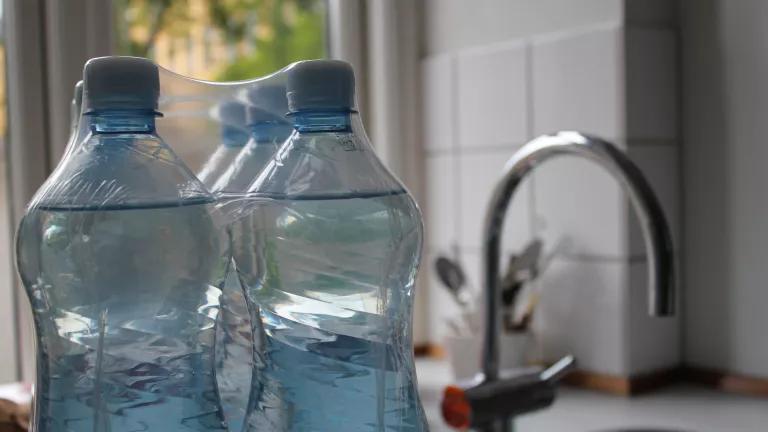
CHOOSE TAP WATER, NOT BOTTLED WATER: A recent study found that consumers who drank bottled water instead of tap water ingested substantially more microplastics every year. People who drink beverages in plastic packaging are also more likely to have higher levels of microplastics in their stool, so it would be wise to also avoid such beverages when possible.
-
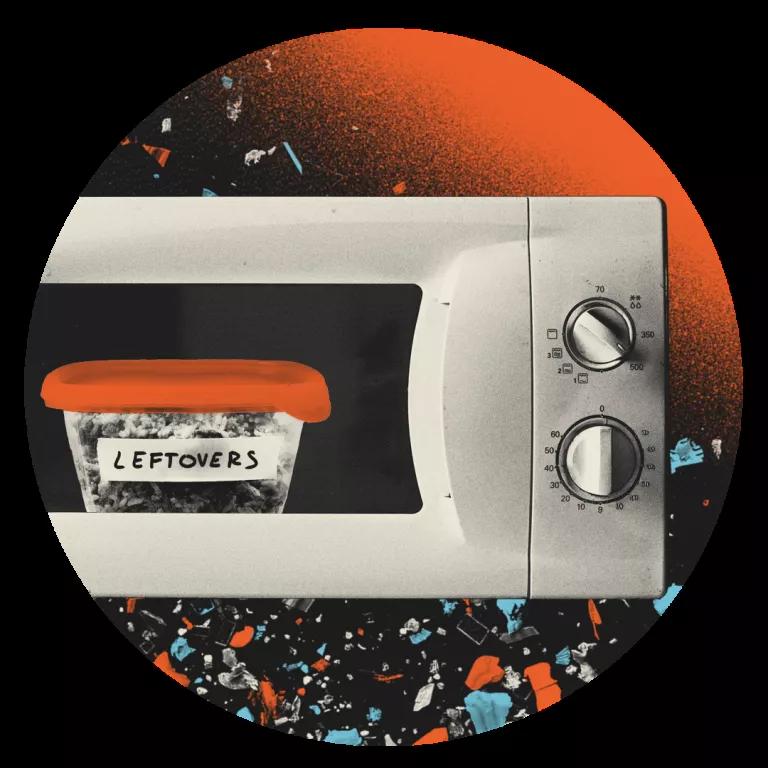
DON’T MICROWAVE PLASTIC: Scientists have found that heating food in plastic packaging and/or containers releases plastic particles and harmful plastic chemicals into food. Instead, transfer food out of plastic packaging and containers into glass or ceramic servingware prior to microwaving.
-
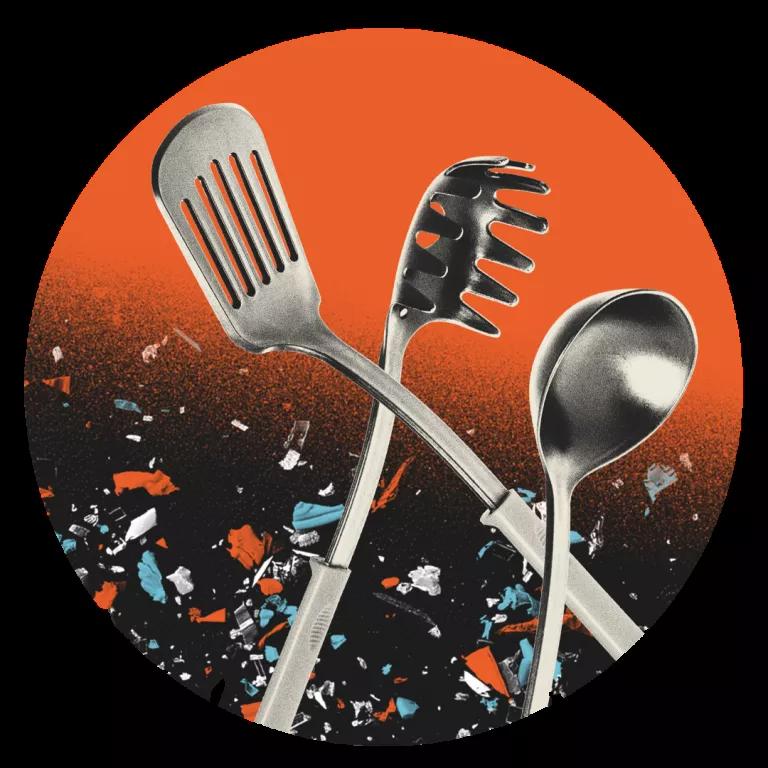
RETHINK YOUR PLASTIC KITCHENWARE: Studies show that many kinds of plastic kitchenware introduce microplastics into food, including plastic cutting boards, bowls, blenders, electric kettles, and sponges. Food cut on bamboo cutting boards or water mixed in glass bowls or containers, on the other hand, did not contain microplastics. Kitchenware alternatives include stainless steel, glass, ceramic, bamboo and stoneware. For cleaning, consider non-plastic sponges, steel wool scrubbers, and dish brushes with non-plastic bristles.

-
CHOOSE NATURAL FIBERS FOR CARPETS, FURNISHINGS, AND CLOTHING: Indoor environments with heavy use of synthetic materials (like carpets, upholstered furniture, or window dressings) can have higher microplastic concentrations in their dust or surrounding air, leading to higher rates of exposure. Microfibers are constantly shed from synthetic clothing and textiles due to abrasion during wear and laundering. Alternatives for clothing and home textiles include cotton, linen, bamboo, silk, and wool; note that sometimes synthetic fibers are blended with natural fibers, so check tags carefully.

-
DRINK TEA? AVOID PLASTIC TEA BAGS: Steeping a single plastic tea bag at brewing temperature can release high numbers of microplastics and nanoplastics into your hot tea. It’s easy to find tea packaged in non-plastic tea bags or switch to using loose-leaf tea in a metal tea strainer or a reusable cotton tea bag.

-
BRING YOUR OWN NON-PLASTIC REUSABLE CUP: All types of disposable cups tested so far—including all-plastic cups and paper cups (which tend to be lined with plastic)—have been found to release microplastics into the beverages they contain. While this is true for both cold and hot beverages, more microplastics are released when plastic disposable cups contain hot beverages or carbonated beverages, particularly when they are acidic, like soda.
-
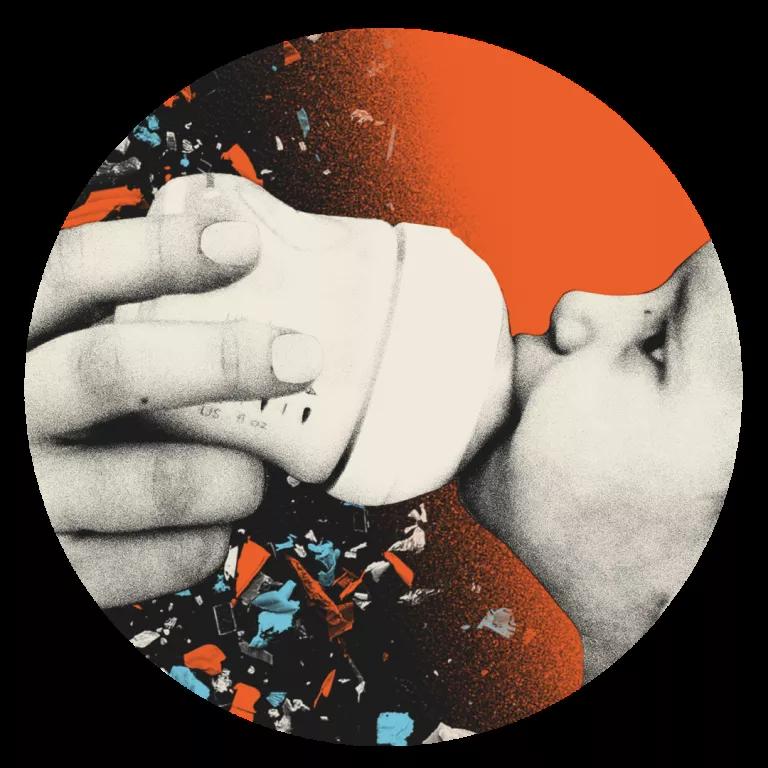
SKIP THE PLASTIC BABY BOTTLES: Research shows that infants can be exposed to millions of microplastics a day from plastic baby bottles. These bottles also leach harmful chemicals, including bottles that are supposedly free of the hormone disruptor BPA. Use shatter-resistant glass bottles instead.
-
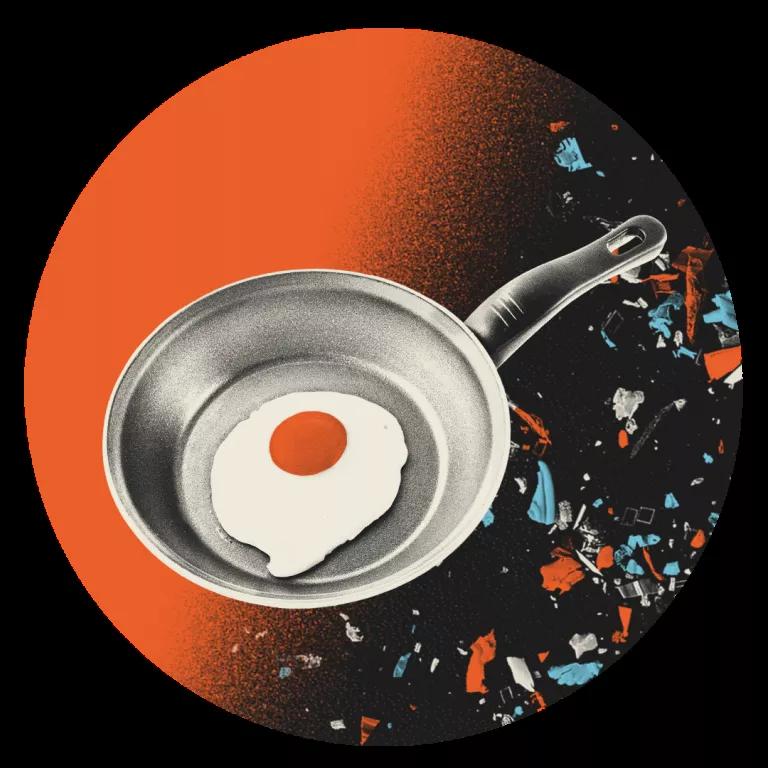
RETHINK YOUR NONSTICK PANS: Nonstick cookware coated with PTFE (Teflon) was found to release millions of microplastics and nanoplastics during use. The particular microplastics and nanoplastics released from these nonstick pans are additionally concerning because they happen to also be PFAS (i.e. toxic “forever chemicals”). Cookware alternatives include stainless steel, cast iron, and ceramic.

-
KEEP AN EYE OUT FOR HIDDEN PLASTICS IN MENSTRUAL PRODUCTS. A single tampon can release billions of micro- and nanoplastics. Alternatives include tampons that are made from 100 percent cotton and have a non-plastic or no applicator, reusable cotton pads, silicone cups, and PFAS-free cotton period underwear.
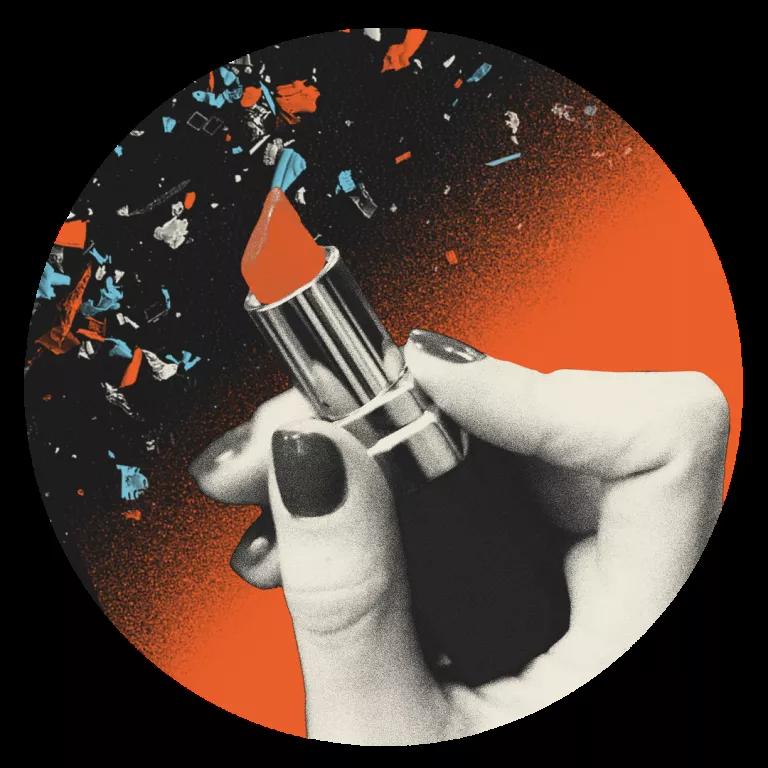
- AVOID PERSONAL CARE PRODUCTS WITH INTENTIONALLY ADDED MICROPLASTICS: In the United States, certain uses of microplastics in rinse-off personal care and cosmetic products, such as face wash and toothpaste, have been banned. Yet microplastics can still be added to these same products for other kinds of uses and can also be added for any use in leave-on personal care and cosmetic products, such as lotion and lipstick. Even when personal care products are rinsed off, nanoplastics can remain on the skin causing exposure to the particles and the chemicals that they contain. Look for products that advertise that they do not contain intentionally added microplastics, and avoid products containing ingredients that can indicate microplastic presence: polyethylene, polypropylene, polyurethane, acrylates, polymers, and microbeads. This isn’t a fail- safe way to avoid microplastics—companies can be sneaky in what they add to their products and disclose on their labels—but it’s a start.
See NRDC’s fact sheet “Microplastic Deluge: How These Small Plastic Particles Harm Our Health and the Environment” for more recommendations and information on microplastics.
Learn More: Plastics
Bottled Water vs. Tap Water

Lines We Don’t Want to Cross: Synthetic Chemicals and Plastics Threaten Planetary Health
The Worst of the Worst: High-Priority Plastic Materials, Chemical Additives, and Products to Phase Out

Single-Use Plastics 101
10 Ways to Reduce Plastic Pollution
Most people's brains contain a plastic spoon's worth of microplastics.
Meanwhile, the plastic industry is on track to triple plastic production over the next 40 years. Tell the FDA to protect us from microplastics!

Tell the FDA to protect us from microplastics
A recent study found that most people's brains contain a plastic spoon's worth of microplastics. Meanwhile, the plastic industry is on track to triple plastic production over the next 40 years. Tell the FDA to protect us from microplastics!
Related Resources

$1 Trillion: The Social Cost of Plastic in the United States

We Are Here to Make a Difference: Our Litigators Are at the Ready