

What’s at stake?
Strong clean air protections mean healthier communities and a safer climate. Unfortunately, clean air is at risk.
Globally, air pollution is the “second-leading risk factor for death,” responsible for 8.1 million deaths each year, or more than one in eight. In the United States, air pollution is estimated to kill nearly 64,000 people each year; it is the single-highest risk factor among pollution-linked, environmental risks. The nation’s recent worsening air pollution is attributable to extreme heat, drought, and wildfires that are driven and accelerated by the climate crisis. Meanwhile, challenges from traditional sources of air pollution—including refineries, chemical plants, cement, and other manufacturing—persist and profoundly impact many communities, and particularly fenceline communities, which predominantly include BIPOC, low-income, and Indigenous residents.
How is NRDC making a difference?
Ensuring that our air is safe to breathe has been integral to NRDC’s mission since the organization’s founding in 1970—the same year that the Clean Air Act was passed. Today, we continue to shape policies that rein in dangerous air pollution and its associated deaths and diseases. We focus on some of the largest sources of this health scourge, such as electric power and chemical plants, oil refineries, and the transportation sector.
NRDC litigates to support air quality safeguards and to fight rollbacks of protections—such as those that have granted coal power plants exemptions from controlling their hazardous emissions. Our experts are frequently invited to testify before Congress about the Clean Air Act and contribute to local community efforts seeking to protect air quality. Our work takes different shapes in different places. For example, in California, we partner with environmental justice advocates to pass model legislation in local air districts that would clean up harmful pollution from warehouses, rail yards, and ports in communities across the state. In Illinois, we guide legislation focused on urban air quality that would consider cumulative environmental and socioeconomic factors in the permitting process for new industrial sites under development. And in India—home to some of the worst air pollution in the world—we’re working closely with central, state, and city government leaders to implement public health alert systems and more robust air monitoring systems.
Latest expert blogs
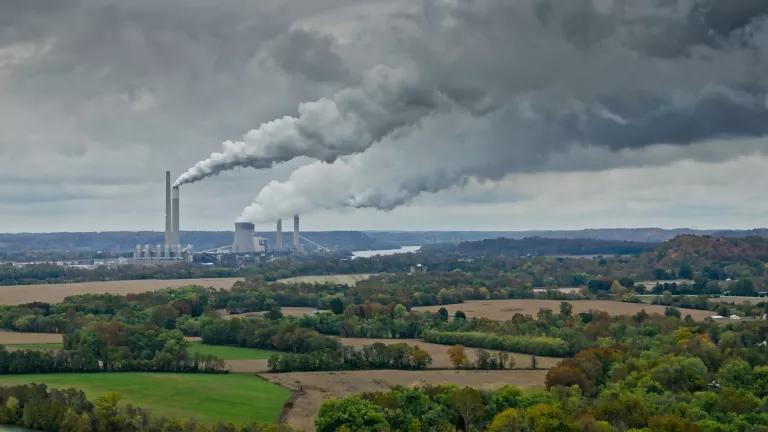
The EPA Cooks the Books in Trying to Cook the Planet
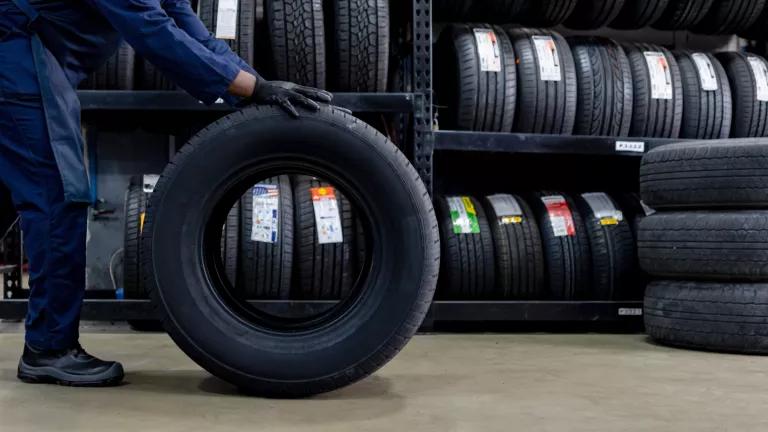
California’s Landmark Tire Efficiency Standards Are a Win for Consumers, Climate, and Public Health

Political Control of Research Funding Threatens Sound Science
Latest News & Commentary

The High Price of Diesel Pollution

How EPA Rollbacks Will Cost Us—in Dollars and Lives

What Is the Air Quality Index?
Latest Data, Reports & Resources

Michigan Steps Up to Clean Heavy-Duty Vehicle Pollution and Save Fleets Money
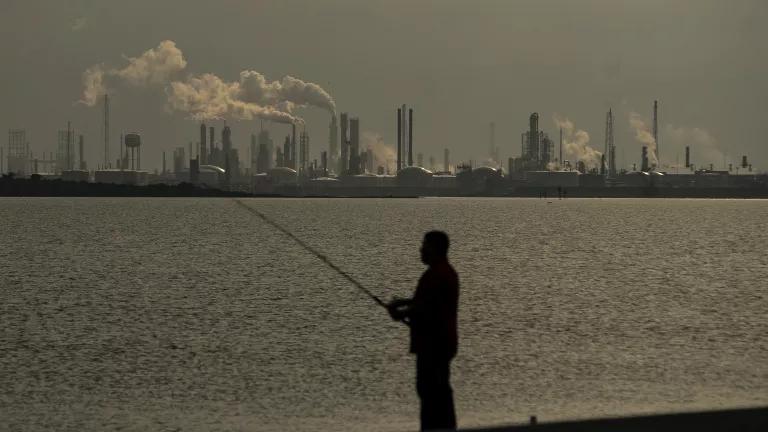
The Trump Administration’s Pro-Cancer Agenda
Trump’s Dirty Energy Double Whammy: Pay More for Fuel and Power—and Use More of It
Latest Court Battles

Hydrogen Fluoride at Refineries

Texas Environmental Justice Advocacy Services v. Trump
