
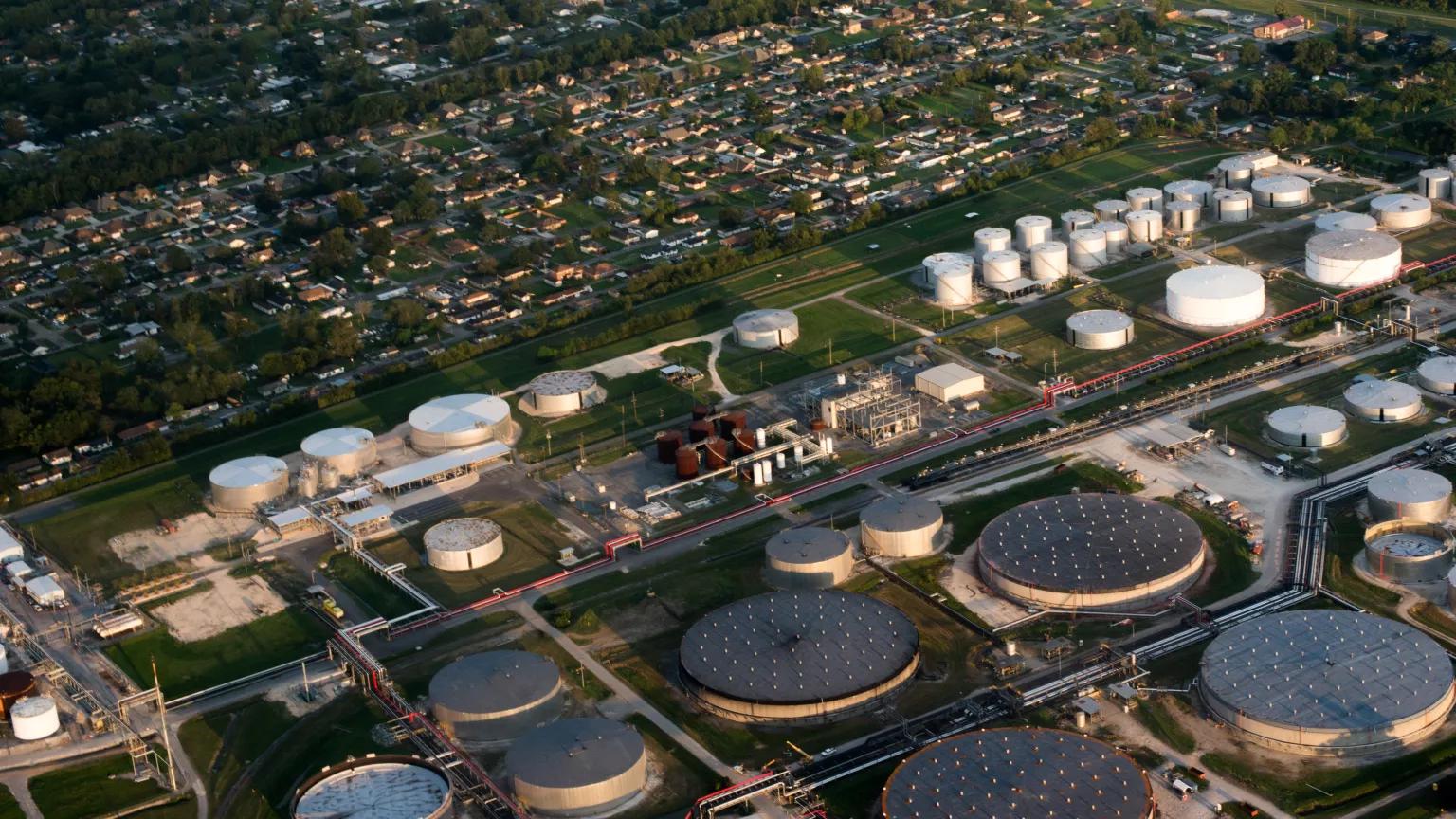
Giles Clark/Getty Images
What’s at stake?
Found in our water, food, products, homes,the environment, and our bodies, toxic chemicals are pervasive and linked to myriad health issues, from cancer to infertility. To ensure a healthy future for our families and communities, NRDC is addressing these harmful chemicals and materials by pushing for their elimination wherever possible. As the saying goes, an ounce of prevention is worth a pound of cure. NRDC also works to reduce exposures and harm from ongoing environmental pollution. To achieve these ends, NRDC advocates science-based policies, collaborates to pass new laws, and holds agencies accountable for protecting public health and the environment. Working with environmental justice and frontline communities is central to our work to reduce disproportionate exposure to pollution and toxic chemicals.
How is NRDC making a difference?
NRDC is tackling toxic PFAS “forever chemicals” using a multipronged approach. PFAS are linked to numerous health impacts, including cancer, and are found in nearly everyone’s bodies. We are tracking, synthesizing, and translating the science to drive health-protective policies that phase out unnecessary uses of PFAS, such as in textiles; to clean up major sources of exposures, such as drinking water; and to hold polluters accountable.
We are fighting to curb plastic production and protect people and the earth from the thousands of toxic chemicals added to plastics and from the deluge of microplastics that shed from plastics, are linked to health concerns, and have grown so widespread.We’re working to slow the industry’s expansion and to expose greenwashing schemes like “chemical recycling”—which is mostly not recycling at all and generates hazardous waste and toxic air pollution. And we’re leading a public health campaign to raise awareness of the threats to our bodies and environment from microplastics.
Finally, we are working to ensure that our systems for evaluating and regulating harmful chemicals are based on strong, health-protective science andprioritize the well-being of people and communities.
Latest expert blogs

When States Act, Markets Follow: The Ripple Effects of PFAS and Chemical Safety Policies
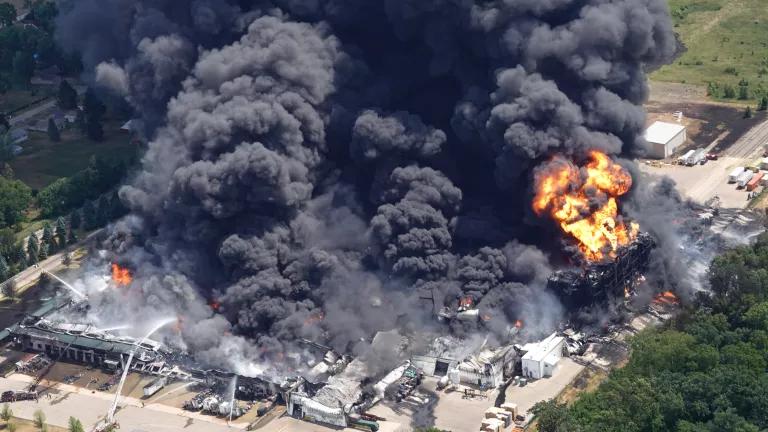
Communities and Workers Deserve Robust Protection from Chemical Disasters

Lactation Interrupted: Impact of PFAS on Breastfeeding
Latest News & Commentary

How to Limit Your PFAS Exposure in the Great Outdoors

Should Harmful Pesticides Come with Warning Labels?
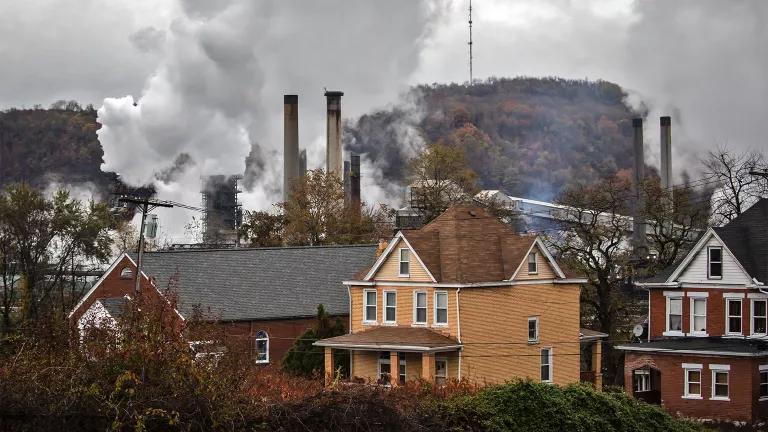
Mercury’s Journey from Coal-Burning Power Plants to Your Plate
Latest data, reports & resources
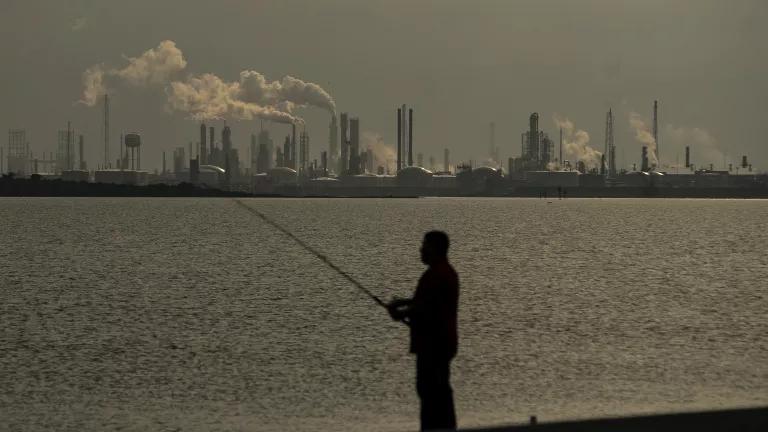
The Trump Administration’s Pro-Cancer Agenda
Centering on Communities to Drive Speed and Scale

What to Expect in Key EPA Cases on PFAS and Lead in Drinking Water
Latest court battles

American Water Works Association et al. v. EPA (“Forever Chemicals” in Tap Water)

Hydrogen Fluoride at Refineries
