Practical Ways You Can Spark Change

Learn how to become a savvier consumer and an effective environmental and public health advocate with these toolkits and how-tos.

Featured How-Tos & Toolkits

A man and woman in winter clothing sit on a passenger bus

How to Ditch the Biggest Fossil Fuel Offenders in Your Life

How-ToUnited StatesCourtney Lindwall
Here are some high-impact ways to reduce your personal use of oil and gas and gain a little energy independence.
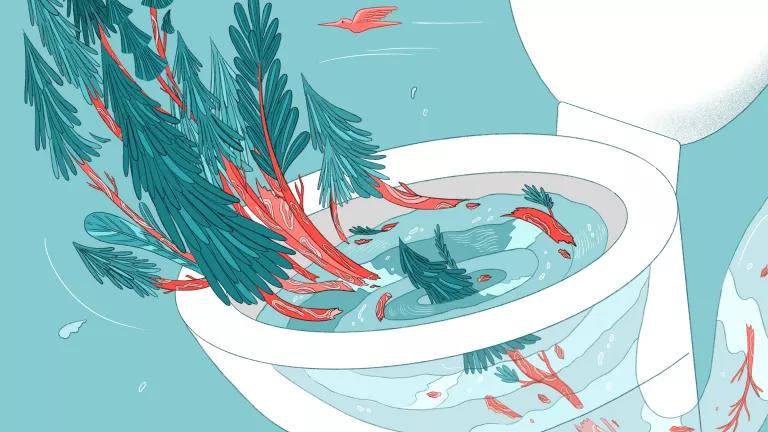
An illustration of a toilet flushing down trees

The Best and Worst Toilet Paper, Paper Towel, and Facial Tissue Brands

How-ToCanada, United StatesCourtney Lindwall
Tissue paper production is taking a devastating toll on forests. NRDC’s newest Issue with Tissue report can help you find earth-friendly brands.
Viewing 1 - 20 of 38


Nontoxic Ways to Protect Your Pet

How-ToUnited StatesKaren L. Smith-Janssen

How to find family-friendly flea and tick products that will provide effective care without skull and crossbones ingredients.

Easy Ways to Save Energy at Home

How-ToUnited StatesAmanda MacMillan

Small steps can add up to big reductions in your electricity use—and your utility bill.

How You Can Stop Global Warming

How-ToUnited StatesMelissa Denchak

Healing the planet starts in your garage, in your kitchen, and at your dining room table.

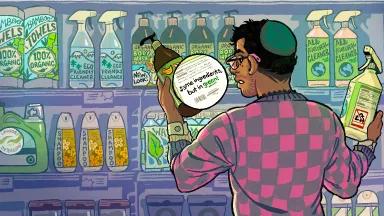
Learn to Spot Greenwashing

How-ToUnited StatesCourtney Lindwall
It’s tricky to separate flimsy promises from what’s actually environmentally friendly. We can help.

How to Shop for Energy-Efficient Light Bulbs

How-ToUnited StatesLauren Evans

Old incandescent bulbs can cost you more than $100 per year in wasted energy—which costs the planet as well. Do the earth a favor and invest in new, energy saving light bulbs.

Fighting Phthalates

How-ToUnited StatesShelia Hu, Olivia Koski

These harmful chemicals are lurking in countless products, but companies don’t have to tell us which ones. Follow these tips to reduce your exposure.

How to Combat Weeds . . . Gently

How-ToUnited StatesJillian Mackenzie

Natural solutions like mulch, cover crops, vinegar, and a little elbow grease will help keep the chemicals out of your garden—and your body.