The Truth About Electric Vehicles and the Grid: Strengthening—Not Straining—Our Energy Future
EVs enhance stability, flexibility, and long-term resilience of the power grid.

There’s been a lot of talk lately about whether the electric grid can handle the growing demand from electric vehicle (EV) charging and data centers (not to mention electrifying buildings and industry) as we transition to an economy that runs on increasingly clean electricity. Some claim we’re heading for blackouts, that too many EVs will overwhelm the system, or that the energy needs of data centers will outpace available power. However, these concerns overlook a key fact: Utilities plan for and manage load growth, ensuring the grid remains reliable and adaptable.
EVs present an opportunity to enhance grid performance. And unlike data centers, which require continuous, high-power operation, EV charging is inherently flexible. Most charging can be scheduled for off-peak hours (e.g., when people are sleeping), helping to balance demand, integrate renewable energy, and reduce costs for all consumers. With strategic planning and investment, EV infrastructure strengthens the grid, making it more resilient, efficient, and cost-effective.
EV charging and data centers are not the same
While both EV charging and data centers increase electricity demand, they do so in different ways. EV charging is a distributed, flexible, managed load that can be scheduled when power is abundant, supporting grid stability. To date, data centers have typically required near-constant, around-the-clock power, often contributing to peak demand challenges. However, a recent Duke University study found that even a limited degree of flexibility in data center operations could significantly reduce the need for new capacity, demonstrating the importance of proactive energy management strategies and why it’s so critical to advance the regulations and legislation to ensure such strategies materialize.
Learn More

Utilities plan for growth—EVs make it easier
Utilities are required to plan for future electricity demand, whether from EVs, buildings, new industries, or data centers. This planning ensures that the grid can accommodate new loads without compromising reliability. They conduct long-term forecasting, upgrade infrastructure where needed, and ensure there’s enough power to keep everything running smoothly.
Data centers are currently dominating the conversation when it comes to long-term grid planning, and they will undoubtedly need new electrical infrastructure. They may seem like a surer bet than EVs that are inherently mobile, but grid planners should consider the wide range in the estimates of future data center demand.
While data centers are an important part of the modern economy, EVs are needed to make the air safer to breathe and address the climate crisis. And EV charging offers additional benefits that improve overall grid resilience, lower costs for consumers, and help utilities use existing resources more efficiently.
Learn More: EVs
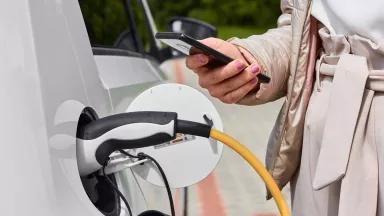
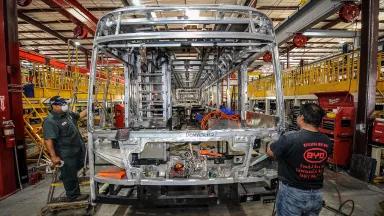

The key is to prioritize infrastructure investments that strengthen grid resilience, flexibility, and cost-effectiveness. EV charging supports these goals by:
- Bringing in new revenue that funds grid upgrades without shifting costs to non-EV owners.
- Shifting demand to off-peak hours to prevent overloading the system.
- Enhancing grid resilience through vehicle-to-grid (V2G) technology, which allows EVs to return energy to the grid when needed.
- Providing stable, predictable demand that supports long-term infrastructure planning.
The EV market continues to grow steadily, but vehicles have a long lifetime, so it takes decades to turn over the vehicle fleet. That’s a challenge for meeting pressing climate and air quality goals, but it also means utilities have time to plan for the electric future needed to meet those climate and air quality goals.
EV charging supports grid stability
One of the biggest advantages of EV charging is its flexibility:
- Most EV charging needs can be met overnight when there is plenty of spare capacity on the grid, making better use of existing infrastructure.
- Smart charging programs allow utilities to shift EV charging to periods of high renewable energy availability, ensuring more efficient use of wind and solar power.
- Strategic integration ensures EV charging enhances grid efficiency and reliability.
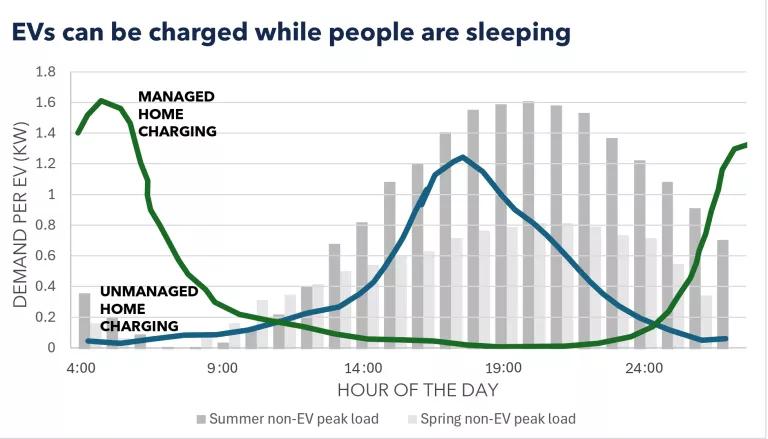
Managed charging and workplace charging help shift demand away from peak hours, improving grid efficiency and reducing strain during periods of high energy use.
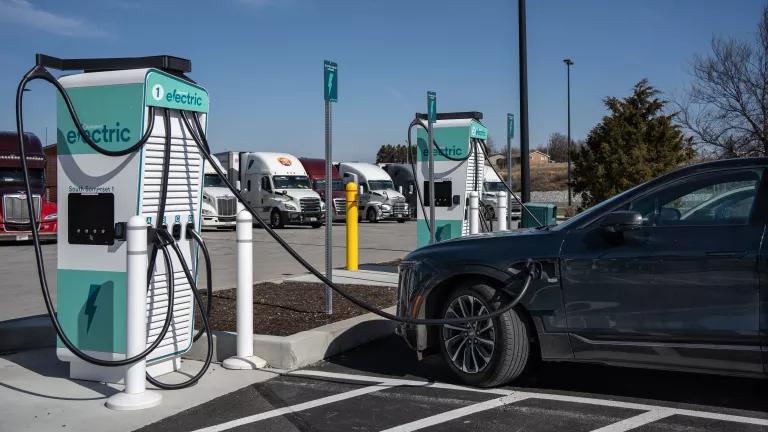
Fast-charging locations—such as truck stops and large travel plazas—may require targeted grid upgrades (like new transformers or even substations), but their placement is predictable (we know where the truck stops and travel plazas are), and their energy use is concentrated in brief periods. Since these chargers operate only for a fraction of the day, their overall electricity consumption is low. As a result, they typically do not necessitate new power plants or major transmission expansions
Early deployment phases for medium- and heavy-duty electric vehicles often require less on-site power than utilities initially anticipated. According to a recent study, initial electric truck and bus deployments tend to have lower power needs than expected. A charging depot in its early years may only require 3–5 megawatts (MW) of instantaneous power demand. By way of comparison, in northern Texas, data centers require more than 565 MW of power—over 100 times more power than what 10 truck depot centers would need.
And fast EV chargers at public locations are only used for a few hours out of the day. In contrast, typical data centers often require power 24/7, meaning their electricity needs remain high even during peak grid demand periods. In some regions, rapid data center growth has led to proposals for new fossil fuel power plants just to meet their energy needs. In other jurisdictions, we’ve seen proposals to ensure these new large loads drive new, additional clean energy deployment while also protecting other rate classes from bearing additional costs to interconnect those loads.
EV charging puts downward pressure on electricity rates for everyone
Expanding EV charging benefits all electricity customers, not just EV owners. As utilities generate additional revenue from EV charging, fixed grid maintenance costs are spread over more kilowatt-hours, reducing rates for everyone.
According to a recent report, EV customers have already contributed $3.12 billion in net revenue (new revenue in excess of associated costs); money that is returned to all utility customers in the form of electric rates and bills that are lower than they otherwise would be. Additionally, managed charging strategies help minimize reliance on expensive peak-period energy generation, which will help reduce energy costs.
EV charging is a stable, predictable load
EV charging tends to be location-dependent and stable over time. Homes, workplaces, warehouses, truck stops, and travel plazas along interstates in place today are very likely to be in the same place decades from now. Data centers may seem like a better bet for grid planning than EVs that are inherently mobile. But data centers can actually be more transient than charging stations; in some cases—such as cryptocurrency mining operations—data centers are deployed in cargo containers that can be put on a truck and moved. Operators may move to different states or regions based on electricity costs, tax incentives, or regulatory policies. This can create challenges for utilities that invest in new grid infrastructure, only to see a facility relocate before those costs are fully recovered. Importantly, regulators have plenty of tools at their disposal to prevent such outcomes, such as requiring multiyear capacity commitment payments up front as a requirement for a large load to interconnect.)
Why this matters: Utilities can reliably invest in EV infrastructure, knowing the demand will be there for decades.
EV charging provides grid flexibility and resilience
One of the most exciting benefits of EVs? They don’t just use electricity—they can also store and return power to the grid, making them valuable assets for grid stability.
- V2G technology allows EVs to charge when electricity is abundant and to return energy during peak demand.
- EV fleets (such as electric buses and delivery vans) could one day serve as a distributed battery network, supporting grid stability and reducing the need for fossil fuel peaker plants.
- EVs as mobile energy resources provide utilities with new tools to balance supply and demand.
Electric vehicles can actively support the grid, unlike other energy users that only consume power. While some utilities have explored energy curtailment strategies (temporarily reducing power usage during peak hours), they don’t function as grid-supporting energy storage like EVs can. For example, a fleet of EVs plugged in overnight can charge using excess wind power and return energy to the grid during the day. A data center, by contrast, will continue operating at full capacity regardless of grid conditions.
The bottom line: EV charging is an opportunity, not a risk
Claims that EVs and data centers will crash the grid are unfounded. Electric utilities do not connect new loads to the grid unless they can be reliably supported. While EVs, data centers, and other loads require planning, their needs are fundamentally different, with EVs offering key advantages in flexibility, air quality, and cost savings.
EVs reduce air pollution and can mainly be charged when there’s plenty of spare capacity available—such as overnight—thereby reducing the need for new power plants. Additionally, the infrastructure upgrades required to accommodate fast charging are predictable, concentrated in specific locations (e.g., along interstates), and are unlikely to move.
The grid won’t crash—EVs will make it stronger, cleaner, and more cost-effective for everyone. With strategic EV integration, we can accelerate to a sustainable, resilient, and affordable energy future.
Related Blogs
Congress Is Cutting Off Transportation Investments that Help Families Save Money

Getting Off the Gas Price Rollercoaster