Canada
As Canada’s decisions shape the future of nature and climate worldwide, NRDC is advancing solutions that protect forests, biodiversity, and Indigenous rights.
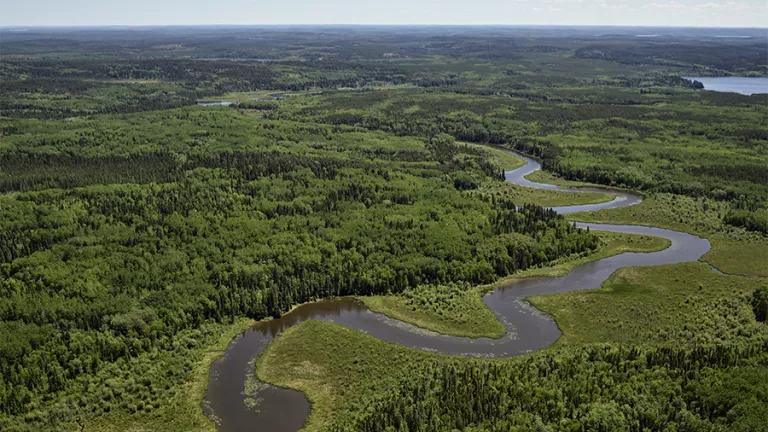
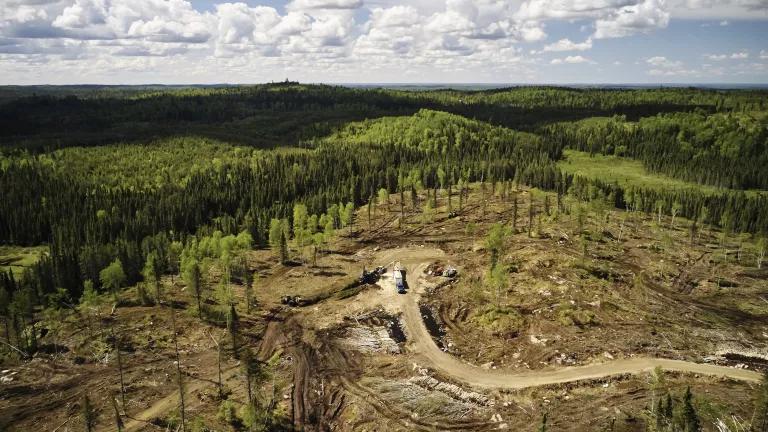
Old-growth trees of the boreal forest near Dryden in northwestern Ontario, Canada
River Jordan for NRDC
Canada is the second-largest country in the world by landmass, holding a disproportionate share of some of the world’s most vital and globally significant intact ecosystems, including 40 percent of the world’s primary boreal and temperate forests, a quarter of the world’s wetlands, and the world’s largest coastline. These ecosystems are habitat for more than 80,000 species, including iconic ones like the boreal caribou and the Southern Resident orca, as well as the breeding grounds for billions of birds across the Americas.
Unparalleled global treasures stretch across the distant reaches of Canada, from the Great Bear Rainforest along British Columbia’s coast to the boreal forest, which holds nearly twice as much carbon as all the world’s oil reserves combined. Most of Canada’s forests are primary forests—naturally regenerated forests of native tree species where there are no visible signs of disturbance—and are on the traditional territories of Indigenous Peoples who have long been the leading voices in articulating transformative approaches to protecting the cultural, biodiversity, and climate values of their lands.
However, industrial activities threaten these globally critical ecosystems with irreparable harm—activities like the development of Alberta’s tar sands, among the world’s largest and dirtiest sources of oil, and the clearcutting of more than a million acres of boreal and temperate rainforests each year. These energy and land use decisions have major implications for Canada’s future, as well as the climate and biodiversity of the entire planet. This is why NRDC seeks to create a future where forests across Canada are thriving, abundant, and resilient and where policies and practices globally facilitate this; where Indigenous Peoples’ rights are respected and their stewardship of forests is supported; where the expansion of dirty energy projects that are inconsistent with a safe climate is stopped; and where the multinational logging and fossil fuel industries (e.g., the fossil fuel extraction from tar sands) no longer wield excessive power over local, national, and global decision-making.
Critical opportunities for action
Economic uncertainty and changing global markets are driving Canada to accelerate resource extraction and advance major projects to increase exports from oil, gas, and wood products.
This then further expands the industrial footprint into primary and other high-integrity forests and locks in increased high-carbon fossil fuel production and exports that fuel global greenhouse gas emissions. This creates renewed pressure on some of the country’s most ecologically important landscapes, underscoring the need for management approaches that prioritize Indigenous leadership and long-term conservation.
Indigenous Peoples across Canada are leading efforts to protect some of the country’s most important forests and ecosystems through Indigenous Protected and Conserved Areas (IPCAs), and other Indigenous-led conservation strategies. Yet these efforts often face challenges from competing industrial interests, particularly in the forestry, mining, and fossil fuel sectors. While Indigenous communities hold deep cultural connections and rights related to these lands, provincial governments oversee many resource management decisions. As a result, vast areas of high-integrity forest remain available for industrial activity—including logging for pulp, paper, lumber, and biomass production—without the Free, Prior and Informed Consent (FPIC) of Indigenous Peoples.
NRDC’s priorities in Canada
Canada’s ability to deliver on its goal of protecting 30 percent of its lands and reduce its greenhouse gas emissions by 45 percent by 2030 will have a significant impact on global efforts to protect nature and our climate. This presents a pivotal opportunity for NRDC, along with others in the environmental movement, to work with Indigenous communities on advocacy at the provincial, federal, and international levels, combined with marketplace campaigns to engage companies and financial interests globally to protect nature and address the climate crisis.
In Canada, NRDC works to protect forests, wildlife, communities, and the climate by focusing on three key priorities:
- Protecting forests: We advocate for stronger accountability and sustainable practices across the logging, pulp, and biomass sectors to help safeguard climate critical forests across Canada and the wildlife and communities that depend on them.
- Supporting Indigenous-led conservation: We work to advance Indigenous leadership in conservation efforts that strengthen biodiversity protection, improve wildfire resilience, and support Canada’s landscape conservation goals.
- Addressing risks to nature and biodiversity from fossil fuel expansion: We assess and raise awareness of the environmental, biodiversity, and climate implications of proposed oil and gas infrastructure development projects that could expand high-carbon fossil fuel production.




Latest expert blogs

What Will It Take for Ambition to Become Action? Delivering on Canada’s Nature Strategy

In Stopping Canadian Wood Pellet Imports, Drax Appears to Admit Unsustainable Practices

P&G’s New CEO Faces a Choice

Eagles, Ancestors, and Allies Join Frontline and Indigenous Community Protection Efforts for the Farabout Peninsula

Procter & Gamble Doubles Down on Forest Degradation
Latest news & commentary

The Best and Worst Toilet Paper, Paper Towel, and Facial Tissue Brands
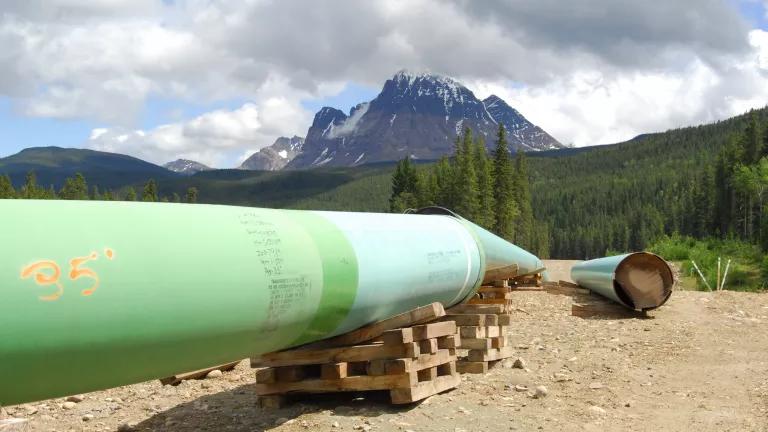
What Is the Keystone XL Pipeline?

Wildfire Strategies for a Warming Planet

When Customers and Investors Demand Corporate Sustainability
In Planning for Climate Change, Native Americans Draw on the Past
Latest data, reports & resources

The Issue with Tissue

Counting on Canada’s Commitments
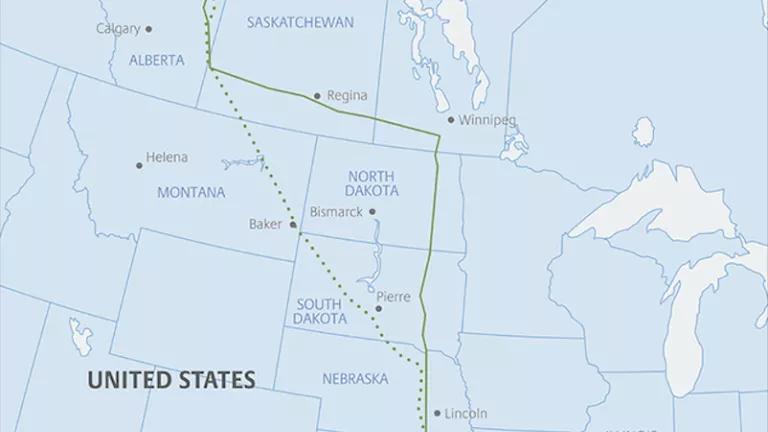
Keystone XL Case Documents
NRDC Experts and Events at COP27
Missing the Forest: How Carbon Logging Loopholes Hinder Canada's Climate Leadership
LEARN MORE ABOUT NRDC'S INTERNATIONAL WORK

China
India