Data, Reports & Resources

NRDC is a leader and trusted source in environmental policy and research. 

From reports to issue briefs, we ensure accountability through peer review led by our Science Office, which provides data and scientific analysis that help shape and guide NRDC’s policies and positions. We also offer a range of other resources, such as 101 guides and consumer-focused scorecards to increase access to knowledge about how everyone can be a catalyst for change. 

Featured Data, Reports & Resources

Viewing 1 - 20 of 43

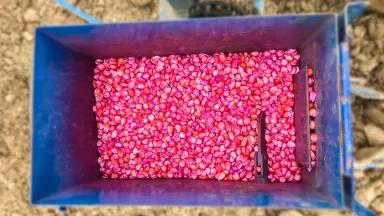
Neonic Pesticides Threaten Human Health

Fact SheetUnited StatesDr. Jennifer Sass, Daniel Raichel

Roughly half of all Americans are exposed to neurotoxic neonic pesticides on any given day, and children are especially at risk.

Responsible Data Center Development

Fact SheetUnited States

State and local decision-makers can play a key role in ensuring that the rapid expansion of data center development reflects local priorities and community needs. 

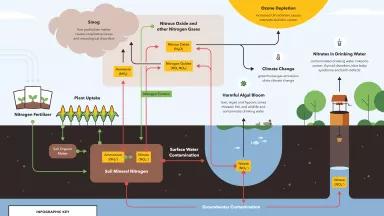
Too Much of a Good Thing

Fact SheetUnited StatesMaya Korb, Dr. Daniel Rath, Arohi Sharma, J.P. Rose, Matthew Kaplan

The overapplication of nitrogen fertilizer endangers human and environmental health.

Microplastics Are a Growing Threat

Fact SheetUnited StatesDr. Katie Pelch, Renée Sharp, Shannon Goff

10 ways to reduce your (and your family's) exposure to microplastics.

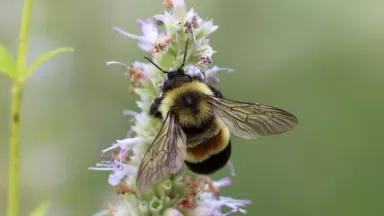
Neonics: The Toxic Truth

Fact SheetUnited States, Minnesota, Michigan, California, ColoradoAllison Johnson, Daniel Raichel, Lucas Rhoads, Lena Freij

Pesticides kill bees, pollute water, and threaten our health.

Jackson Water Crisis

Fact SheetMississippi, JacksonSarah Tallman, Kimberly Leefatt

The drinking water system in Jackson, Mississippi, has suffered from serious safety and reliability problems for decades.

Unethical Seafood: How U.S. Leadership Can Curb Illegal Fishing

Fact SheetUnited States, InternationalDillon Hanson-Ahumada, Molly Masterton, Irene Gutierrez, Sandy Aylesworth
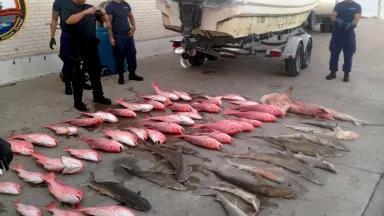
Illegal, unreported, and unregulated (IUU) fishing is a major driver of harmful overfishing. IUU fishing depletes fish populations, harms marine habitats, and endangers sensitive species, and is also linked to transnational crimes, including human trafficking, money laundering, murder at sea…

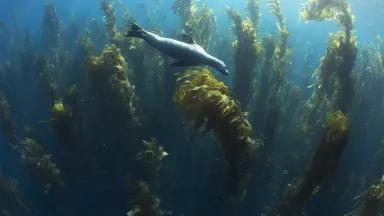
Why the World Must Commit to Protecting 30 Percent of the Planet (30x30)

Fact SheetUnited States, InternationalLauren Kubiak, Zak Smith, Lisa Speer, Brendan Guy, Jennifer Skene, Paul Todd
Nature is in crisis. A million species worldwide currently face extinction, many within decades, and human actions are causing ecosystems to crumble on land and on sea. We must take immediate actions to protect the natural world—and in doing so…