Data, Reports & Resources

NRDC is a leader and trusted source in environmental policy and research. 

From reports to issue briefs, we ensure accountability through peer review led by our Science Office, which provides data and scientific analysis that help shape and guide NRDC’s policies and positions. We also offer a range of other resources, such as 101 guides and consumer-focused scorecards to increase access to knowledge about how everyone can be a catalyst for change. 

Featured Data, Reports & Resources

Viewing 1 - 20 of 38

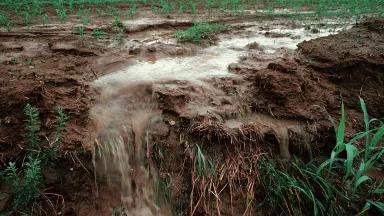
The Nitrogen Pollution Crisis

ReportUnited StatesJ.P. Rose, Dr. Daniel Rath, Arohi Sharma, Maya Korb, Matthew Kaplan

Fertilizer overuse is poisoning America’s water, air, and ecosystems.

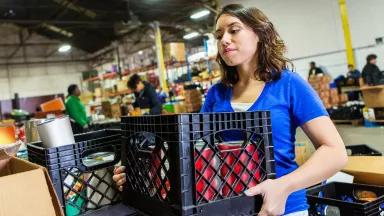
Advancing Food Rescue Guide

Policy GuideUnited States

This guide includes a report with recommendations for municipalities to advance food rescue and insights and resources to help cities conduct food rescue landscape assessments of their own.

Guide to Funding Food Scrap Recycling and Food Rescue

Policy GuideUnited StatesMadeline Keating, Anya Obrez

Addressing food waste requires sustained financial support, both public and private. Here are some tips for funding food scrap recycling and food rescue strategies at the city level.

Municipal Model Policies on Food Waste Reduction

Policy GuideUnited StatesDarby Hoover

This suite of model municipal policies includes easily adaptable tools that can be used by municipalities and advocates exploring food waste reduction policy.

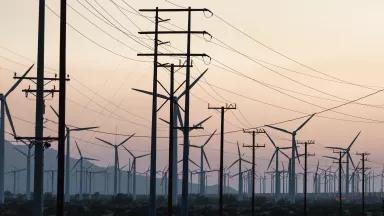
Clean Energy Now for a Safer Climate Future

ReportUnited StatesJacqueline Ennis, Amanda Levin
Should the United States fail to reduce emissions in the near term, it will need to rely on riskier and more expensive technologies in later decades to rush to the net zero target.

State-Based Food Waste Policy Gap Analysis and Inventory Reports

ReportMaryland, New Jersey, Pennsylvania, Washington, D.C., Florida, Georgia, North Carolina, Tennessee, Illinois, Michigan, Ohio, Wisconsin, ColoradoDarby Hoover, Yvette Cabrera
Food waste costs the US $408 billion each year. Producing food that we do not consume swallows up roughly 18 percent of America’s cropland and 14 percent of our fresh water, and generates about 270 million metric tons CO2 equivalent…

Feeding a City: Food Waste and Food Need Across America

ReportUnited States, Denver, New York City, NashvilleAndrea Collins
The first step in reducing municipal food waste is data gathering: understanding the amounts and sources of wasted food at the local level, as well as the amounts and sources of surplus food that potentially could be rescued instead of…

Food Waste Restaurant Challenge Guide

Policy GuideUnited StatesDarby Hoover

Cities interested in reducing food waste should consider ways to involve business sectors in their efforts, particularly those sectors most often linked to higher food waste generation, such as food service.

Increasing Public Awareness About Food Waste Prevention Guide

Policy GuideUnited States

Given the magnitude of consumer household food waste, cities can play an important role in both raising awareness and providing action-oriented strategies that consumers can implement in their homes to prevent food from being wasted in the first place.