Data, Reports & Resources

NRDC is a leader and trusted source in environmental policy and research. 

From reports to issue briefs, we ensure accountability through peer review led by our Science Office, which provides data and scientific analysis that help shape and guide NRDC’s policies and positions. We also offer a range of other resources, such as 101 guides and consumer-focused scorecards to increase access to knowledge about how everyone can be a catalyst for change. 

Featured Data, Reports & Resources

Viewing 101 - 120 of 344
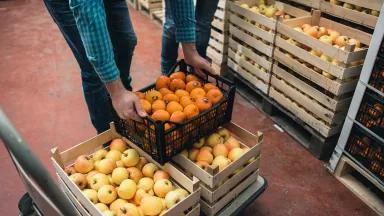
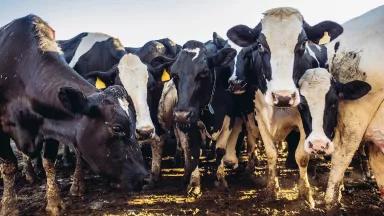
Industrial Agricultural Pollution 101

GuideUnited StatesCourtney Lindwall
From fertilizer runoff to methane emissions, large-scale industrial agriculture pollution takes a toll on the environment.

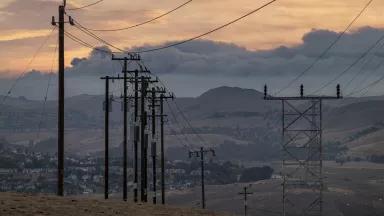
Building a Stronger, Cleaner Electric Grid

Fact SheetUnited StatesChristy Walsh
Ensuring that we have affordable and available electricity requires that Congress pass legislation now to support renewable energy and build a more resilient electric grid—the system that connects a source of energy such as a power plant to the consumers…

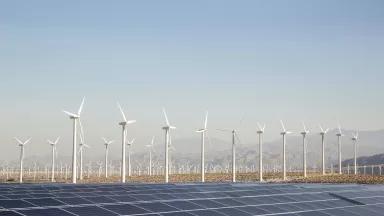
Renewable Energy: The Clean Facts

GuideUnited StatesLora Shinn
Wind and solar are powering a clean energy revolution. Here’s what you need to know about renewables and how you can help make an impact at home.

Biodiversity 101

GuideInternational, United StatesCourtney Lindwall

How do we define and measure biodiversity—and just why is it so important?

Regenerative Agriculture

OverviewUnited StatesArohi Sharma, Lara Bryant, Ellen Lee, Claire O'Connor
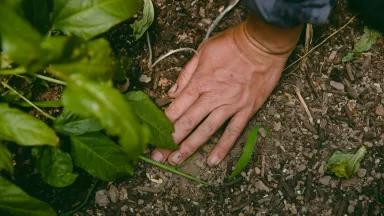
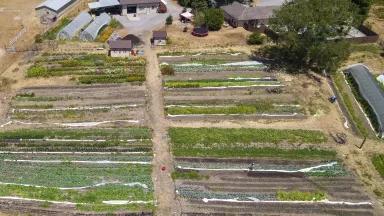
Farming in harmony with nature fights climate change, improves water quality, and protects biodiversity. NRDC works with growers, ranchers, and community leaders to craft policies for a regenerative farm and food system.

Agricultura regenerativa 101

GuideUnited StatesNRDC
El NRDC entrevistó a más de 100 agricultores y ganaderos que construyen suelos saludables y desarrollan comunidades resistentes al clima en todo el país. Esta guía incorpora mucho gran parte de lo que aprendimos.

Regenerative Agriculture 101

GuideUnited StatesNRDC
NRDC interviewed more than 100 farmers and ranchers who are building healthy soil and growing climate-resilient communities across the country. This guide incorporates much of what we learned.

Feeding a City: Food Waste and Food Need Across America

ReportUnited States, Denver, New York City, NashvilleAndrea Collins
The first step in reducing municipal food waste is data gathering: understanding the amounts and sources of wasted food at the local level, as well as the amounts and sources of surplus food that potentially could be rescued instead of…

United: Union Jobs Improve the Clean Energy Economy

ReportUnited StatesMarc Boom
Growing numbers of union members are on the front lines of the clean energy and energy efficiency sectors, helping to reduce pollution and health hazards for millions of Americans.

Food Matters Case Studies

Case StudyBaltimore, Denver, NashvilleYvette Cabrera, Darby Hoover, Madeline Keating
NRDC and their partners’ work in Baltimore, Denver, and Nashville can help inform initiatives in other cities across the country.

La Iniciativa Regional sobre Gas Invernadero: un modelo para la nación

OverviewConnecticut, Delaware, Maine, Maryland, Massachusetts, New Hampshire, New Jersey, New York, North Carolina, Pennsylvania, Rhode Island, Vermont, VirginiaBruce Ho
RGGI funciona: reduce la contaminación, mejora la salud, crea empleos, y fortalece la economía de los estados participantes y la región entera. ¡Vamos por más!

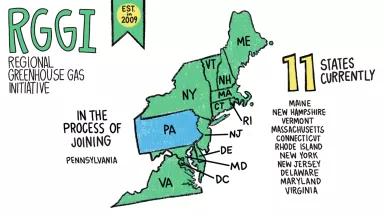
The Regional Greenhouse Gas Initiative Is a Model for the Nation

OverviewConnecticut, Delaware, Maine, Maryland, Massachusetts, New Hampshire, New Jersey, New York, North Carolina, Pennsylvania, Rhode Island, Vermont, VirginiaBruce Ho
RGGI's functions as a model for other states and regions hoping to reap economic, health, and social benefits in the transition to clean energy we need to combat climate change.

Soil Erosion 101

GuideKeith Mulvihill

The loss of topsoil to wind, rain, and other forces is a natural process, but when intensified by human activity, it can have negative environmental, societal, and economic impacts.

Food Matters Regional Initiative

OverviewAtlanta, Baltimore, Chicago, Cincinnati, Detroit, Jersey City, Madison, Memphis, Nashville, North Carolina, Orlando, Philadelphia, Pittsburgh, Washington, D.C.
Cities are addressing food waste in a holistic way—through prevention, rescue, and recycling.