Data, Reports & Resources

NRDC is a leader and trusted source in environmental policy and research. 

From reports to issue briefs, we ensure accountability through peer review led by our Science Office, which provides data and scientific analysis that help shape and guide NRDC’s policies and positions. We also offer a range of other resources, such as 101 guides and consumer-focused scorecards to increase access to knowledge about how everyone can be a catalyst for change. 

Featured Data, Reports & Resources

Viewing 81 - 100 of 216
Why the World Must Commit to Protecting 30 Percent of the Planet (30x30)

Fact SheetUnited States, InternationalLauren Kubiak, Zak Smith, Lisa Speer, Brendan Guy, Jennifer Skene, Paul Todd
Nature is in crisis. A million species worldwide currently face extinction, many within decades, and human actions are causing ecosystems to crumble on land and on sea. We must take immediate actions to protect the natural world—and in doing so…

Water Webinars 2020: Sharing Experiences Across the Americas

OverviewChile, Mexico, United States, CaliforniaAmanda Maxwell, Ed Osann, Tracy Quinn, Corinne Bell, Becky Hammer, Claire O'Connor, Joan Leary Matthews
NRDC and local partners are organizing a series of webinars about ensuring that more people and ecosystems are able to access clean water.

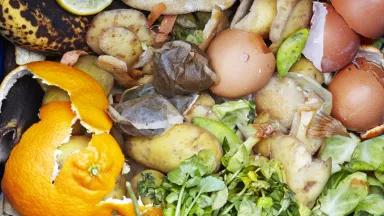
Composting 101

GuideUnited StatesShelia Hu
Recycling food and other organic waste into compost provides a range of environmental benefits, including improving soil health, reducing greenhouse gas emissions, recycling nutrients, and mitigating the impact of droughts.

Our Forests Aren't Fuel

OverviewInternational, United States, Virginia, North Carolina, East
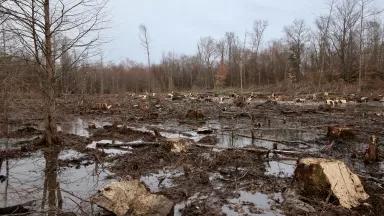
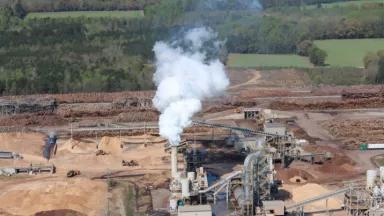
When companies cut down and burn trees to make electricity, the result is increased climate-changing carbon dioxide emissions, devastated ecosystems, and displaced wildlife.

Guide to Making a Public Commitment on Food Waste

ResourceNina Sevilla
Making a public commitment to reduce food waste is an important way to harness city leadership and constituent buy-in. It also increases accountability and can inspire other cities.

Guide for Hiring a City Food Waste Coordinator

ResourceMadeline Keating
Best practices for creating a city staff position dedicated to food waste reduction, cross-agency collaboration, work planning, and sourcing potential funding.

Industrial Agriculture 101

GuideUnited StatesNRDC

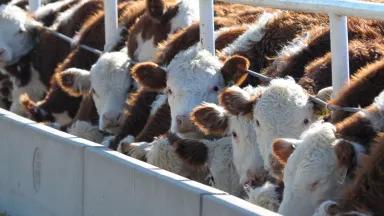
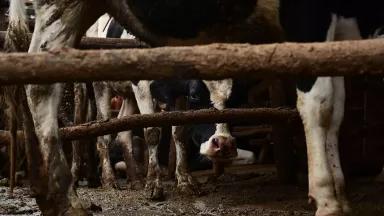
Giant farms—whether growing crops or animals—often rely heavily on chemicals and produce waste that pollutes the water and air. As a result, the system we’ve designed to feed the planet also takes a serious toll on its health.

Guide to Building Healthy Soil

Issue BriefNorth Dakota, Montana, Idaho, United StatesArohi Sharma
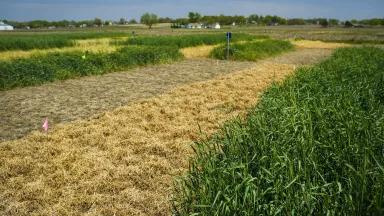
As farmers prepare for the future, they cannot overlook the importance of soil health.

Food Waste Restaurant Challenge Guide

Policy GuideUnited StatesDarby Hoover

Cities interested in reducing food waste should consider ways to involve business sectors in their efforts, particularly those sectors most often linked to higher food waste generation, such as food service.

Burnout: E.U. Clean Energy Policies Lead to Forest Destruction

Issue PaperInternationalSasha Stashwick
Countries considering new policies to replace aging fossil fuel-based energy infrastructure, both inside and outside the European Union, must rule out incentives for burning forest biomass instead of or alongside coal.

Food Waste: Strategic Communications and Partnership Guide

ResourceDarby Hoover
Tackling food waste involves the need for diverse strategies in a variety of policy and program areas, and interacting and communicating with different audiences. Communicating effectively to these audiences is essential to building community support for executing programs and policies…

Increasing Public Awareness About Food Waste Prevention Guide

Policy GuideUnited States

Given the magnitude of consumer household food waste, cities can play an important role in both raising awareness and providing action-oriented strategies that consumers can implement in their homes to prevent food from being wasted in the first place.