Data, Reports & Resources

NRDC is a leader and trusted source in environmental policy and research. 

From reports to issue briefs, we ensure accountability through peer review led by our Science Office, which provides data and scientific analysis that help shape and guide NRDC’s policies and positions. We also offer a range of other resources, such as 101 guides and consumer-focused scorecards to increase access to knowledge about how everyone can be a catalyst for change. 

Featured Data, Reports & Resources

Viewing 1 - 20 of 43

NRDC Urges MDA to Strengthen the Groundwater Protection Rule (PDF)

Comments
In a comment letter to Minnesota's Department of Agriculture, NRDC urged the agency to strengthen the existing Groundwater Protection Rule in order to adequately protect Minnesotans and the environment from nitrogen pollution arising from nitrogen fertilizer on croplands.

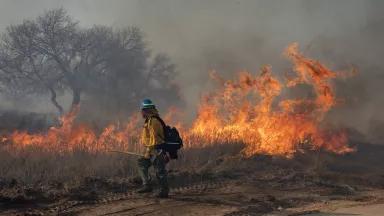
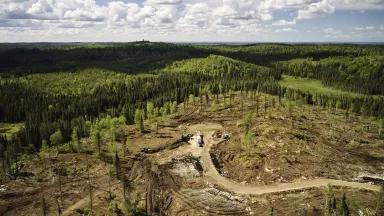
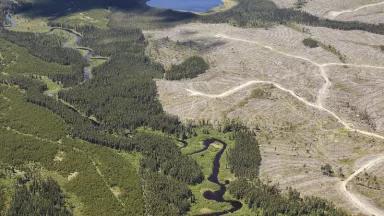
Wildfire Strategies for a Warming Planet

GuideUnited States, CanadaDr. Julee Boan, Garett Rose

With climate change intensifying wildfires, building community and forest resilience is our best defense.

The Issue with Tissue

ScorecardUnited States, CanadaAshley Jordan, Shelley Vinyard, Jennifer Skene
Tissue products such as toilet paper, paper towels, and facial tissue are cheap and convenient—but they cost the planet a great deal.

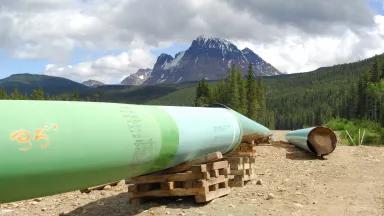
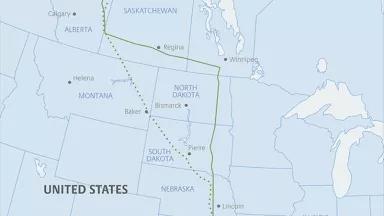
What Is the Keystone XL Pipeline?

GuideNorth Dakota, Alberta, Montana, South Dakota, NebraskaMelissa Denchak, Courtney Lindwall
How a single pipeline project became the epicenter of an enormous environmental, public health, and civil rights battle.

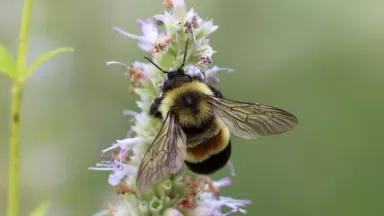
Neonics: The Toxic Truth

Fact SheetUnited States, Minnesota, Michigan, California, ColoradoAllison Johnson, Daniel Raichel, Lucas Rhoads, Lena Freij

Pesticides kill bees, pollute water, and threaten our health.

Keystone XL Case Documents

Legal FilingsCanada, United States, Montana, South Dakota, Nebraska
NRDC and our partners sued the Trump administration three times, preventing every illegal attempt to ram the Keystone XL project through. These are some of the documents associated with our cases.

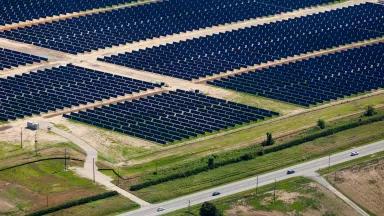
Waiting Game: How the Interconnection Queue Threatens Renewable Development in PJM

ReportUnited States, Delaware, Illinois, Indiana, Kentucky, Maryland, New Jersey, North Carolina, Ohio, Pennsylvania, Tennessee, Virginia, West Virginia, Washington, D.C.Dana Ammann
New NRDC analysis has found that even under recent reforms, the country’s largest grid operator is unlikely to approve new renewable projects quickly enough to meet even mandatory minimum state standards.

NRDC Experts and Events at COP27

OverviewInternational, Canada, India, United StatesManish Bapna, Amanda Maxwell, Brendan Guy, Carolina Herrera, Joe Thwaites, Shruti Shukla, Sameer Kwatra, Anthony Swift, Khalil Shahyd, Lisa Speer, Jennifer Skene, Nan Zeng, Jake Schmidt, Doug Sims, Marissa Ramirez, Prima Madan
Analysis and events focusing on the concrete steps we need to cut global emissions in half in this decisive decade, and to adapt to the mounting climate change impacts we can no longer avoid.

NRDC Experts and Events at COP26

OverviewUnited States, International, Canada, IndiaManish Bapna, Sarah Dougherty, Brendan Guy, Carolina Herrera, Sameer Kwatra, Jennifer Skene, Lisa Speer, Anthony Swift, Charlotte Steiner, Jake Schmidt, Doug Sims
NRDC joins the United Nations global climate talks to hold global warming to 1.5 degrees Celsius, drive commitments to green finance, and promote nature-based solutions.

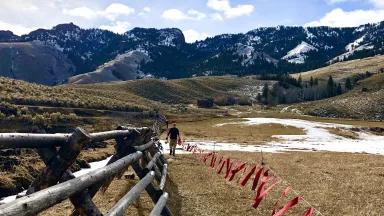
Installing Turbo Fladry: An Informational Guide

Issue BriefWyoming, Wisconsin, Oregon, Montana, Minnesota, Idaho, CaliforniaDr. Jennifer Sherry
Reducing the risk of wolf predation on livestock is key to ensuring both people and wolves can thrive throughout wild and working lands. Turbo fladry is a relatively simple fencing tool designed to protect livestock from wolves, that, when used…

Chihuahuan Desert Grasslands

OverviewMexico, United States, Canada
The largest desert in North America is home to biodiverse grasslands that store large amounts of carbon and contribute to the livelihood of millions of people. Yet, these grasslands are highly threatened by human activity and a changing climate.