
Hurricanes and Other Climate-Related Disasters Require Investment in Long-Term Solutions
As hurricanes are already pummeling regions across the country, lasting solutions are needed to help communities build back with greater resiliency to extreme weather events and other impacts of climate change.
The General Assembly goes back into session later this week, on October 24, to consider further recovery efforts in the aftermath of Hurricane Helene, Hurricane Debby, and Tropical Cyclone 8. A total of $237 million was allocated to aid local governments for immediate needs, and more funding is expected to be approved in upcoming sessions.
As lawmakers consider the financial needs of North Carolina communities that were devastated by these disasters, they need to consider investing in long-term solutions to help homeowners and communities build back better with greater resiliency to weather events and other impacts of climate change. We hope the resources below will help you with your coverage.
NRDC has experts available for interviews to discuss:
- Flooding and sea level rise while addressing the urgent need for long-term policy changes—such as reforming the National Flood Insurance Program—to enhance community and national resilience.
- Post-disaster recovery, FEMA disaster management and funding, how and where to build, and home buyouts.
- How homeowners, as well as renters and prospective homeowners, can protect themselves with flood history disclosure tools before making decisions about where to live.
- Post-disaster environmental health risks that state and local leaders should be aware of as communities continue recovery efforts. Our experts can also speak to the benefits and need to transition away from fossil fuel dependency
- Building codes reforms that should be considered in the rebuilding process to help communities build back better. North Carolina, for example, needs stronger building codes that promote resiliency and sustainability amid increasingly dangerous and more common extreme weather disasters.
Experts on flood solutions

Experts on climate change & health

Experts on fossil fuels and the Southeast

Aspects of natural disasters and recovery in North Carolina
- North Carolina has some of the weakest building codes in the country.
- House Bill 488, passed in 2023, bans residential building code updates until 2031.
- The FEMA flood map for Buncombe County was last updated in 2010.
- Hurricane Helene dumped 40 trillion gallons of rain on the southeast.
- In 2010, a study was released that outlined the impact that sea-level rise due to climate change would have on North Carolina's coastline. Lawmakers passed House Bill 819 in 2012, which barred state agencies from basing policy on climate change analysis.
Some important resources are listed below. Together, they show what federal, state, and local action is needed to help protect people from the growing risk of severe storms and flooding.
Resources

Flooded Again: Flood Data Visualization Tool
NRDC recently launched a new interactive tool that provides comprehensive insights into areas across the United States that have seen the most flood insurance claims, using FEMA data that is now publicly available for the first time.
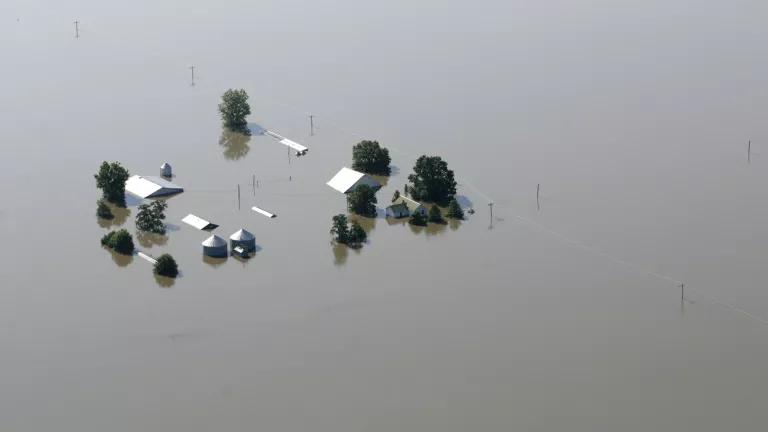
How States Stack Up on Flood Disclosure
NRDC's updated Flood Disclosure Scorecard evaluates each state's effectiveness in informing homebuyers about flood risks and past damages. The tool highlights the necessity for improved disclosure policies nationwide to reduce vulnerability and enhance community preparedness.

Growing Nationwide Trend of States Requiring Flood Disclosure
North Carolina’s updated flood disclosure laws went into effect on July 1. The adoption of these laws changed the state’s grade from a D to an A.

NRDC Pushes FEMA for Climate-Smart Flood Maps and Standards
NRDC filed comments with FEMA urging the agency to make critical climate-smart reforms to the National Flood Insurance Program.

Accurate Flood Maps Are Essential for Climate Adaptation
More reliable flood maps are necessary if the United States is going to successfully adapt to sea level rise and flooding that is more frequent and severe due to climate change. Further, FEMA must ban some of the worst practices when it comes to floodplain development, like fill and build.

National Climate Assessment: Flooding and Sea Level Rise
There must be less development in coastal areas and floodplains, and future climate impacts must be take into account in development decisions. These steps can help local and state governments to embrace adapting to the new reality of climate change and sea level rise.
More Resources
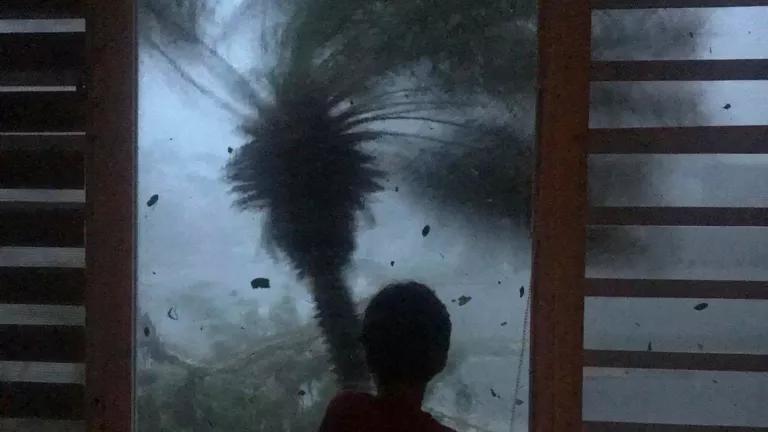
Hurricanes and Climate Change: Everything You Need to Know
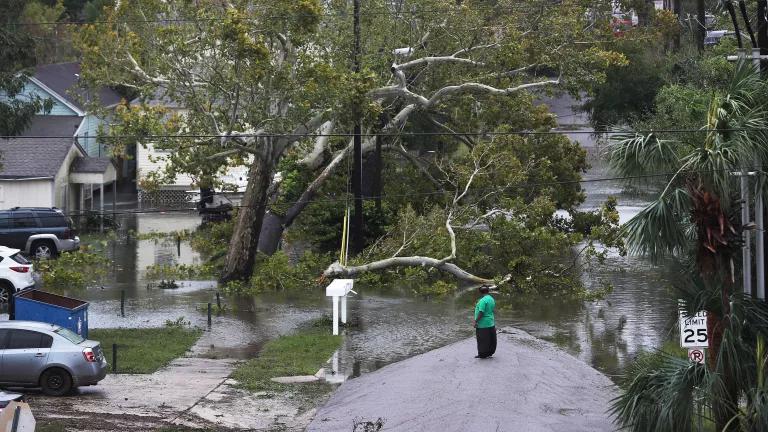
Climate Adaptation 101
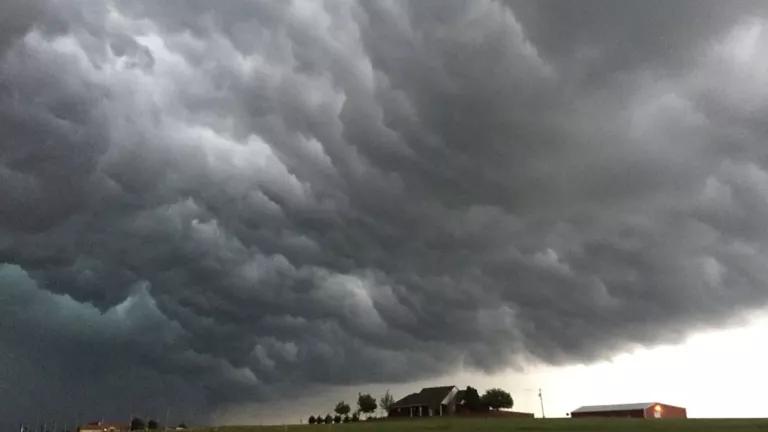
7 Ways to Flood-Proof Your House
NRDC (Natural Resources Defense Council) is an international nonprofit environmental organization with more than 3 million members and online activists. Established in 1970, NRDC uses science, policy, law, and people power to confront the climate crisis, protect public health, and safeguard nature. NRDC has offices in New York City, Washington, D.C., Los Angeles, San Francisco, Chicago, Beijing and Delhi (an office of NRDC India Pvt. Ltd). Visit us at www.nrdc.org and follow us on Twitter @NRDC.