Data, Reports & Resources

NRDC is a leader and trusted source in environmental policy and research. 

From reports to issue briefs, we ensure accountability through peer review led by our Science Office, which provides data and scientific analysis that help shape and guide NRDC’s policies and positions. We also offer a range of other resources, such as 101 guides and consumer-focused scorecards to increase access to knowledge about how everyone can be a catalyst for change. 

Featured Data, Reports & Resources

Viewing 1 - 20 of 54

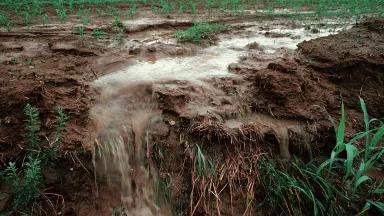
The Nitrogen Pollution Crisis

ReportUnited StatesJ.P. Rose, Dr. Daniel Rath, Arohi Sharma, Maya Korb, Matthew Kaplan

Fertilizer overuse is poisoning America’s water, air, and ecosystems.

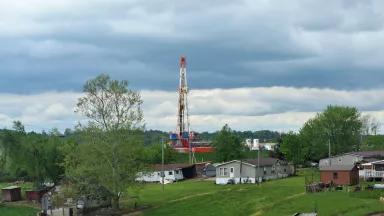
How States Stack Up on Oil and Gas Regulation

ReportUnited StatesAmy Mall

A new NRDC report reviewed regulations in the 12 largest oil- and gas-producing states and found that states are not consistently stepping up to fill regulatory gaps and protect communities.

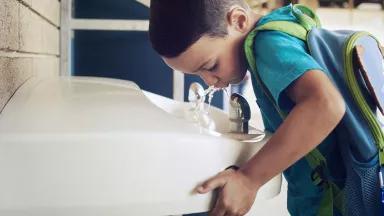
Turn On the Tap

ReportUnited StatesLarry Levine

Water affordability programs can increase participation through data sharing.

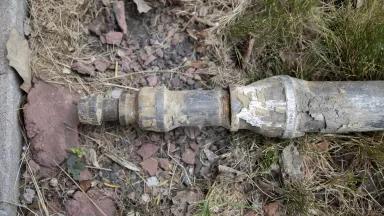
Replace Lead Drinking Water Pipes Now - Report (PDF)

Report
The New York City Coalition to End Lead Poisoning issued a report, No Excuses, NYC: Replace Lead Drinking Water Pipes Now , estimating that one in five New Yorkers may be drinking water transported through lead service lines. Experts agree...

Clean Energy Now for a Safer Climate Future

ReportUnited StatesJacqueline Ennis, Amanda Levin
Should the United States fail to reduce emissions in the near term, it will need to rely on riskier and more expensive technologies in later decades to rush to the net zero target.

State-Based Food Waste Policy Gap Analysis and Inventory Reports

ReportMaryland, New Jersey, Pennsylvania, Washington, D.C., Florida, Georgia, North Carolina, Tennessee, Illinois, Michigan, Ohio, Wisconsin, ColoradoDarby Hoover, Yvette Cabrera
Food waste costs the US $408 billion each year. Producing food that we do not consume swallows up roughly 18 percent of America’s cropland and 14 percent of our fresh water, and generates about 270 million metric tons CO2 equivalent…

Feeding a City: Food Waste and Food Need Across America

ReportUnited States, Denver, New York City, NashvilleAndrea Collins
The first step in reducing municipal food waste is data gathering: understanding the amounts and sources of wasted food at the local level, as well as the amounts and sources of surplus food that potentially could be rescued instead of…