An Affordability Crisis of Trump’s Own Making
The Trump administration’s energy policy is driving up costs for American households and making us sick.

A previous version of this report contained errors regarding the health outcome results on pages 2 and 6. The report was updated on September 22, 2026, with the correct information.
Health modeling done by Kusai Merchant, Merchant Strategies
President Trump promised to cut utility bills in half within 18 months of being in office, but instead, average U.S. residential electricity rates increased more than 9 percent by the end of his first year and are now 16 percent higher as of May 2026. Analysis by NRDC shows that instead of lowering costs for American households, the Trump administration’s energy agenda is increasing energy costs for most families while bolstering the profits for fossil fuel companies. Under his policies, household energy bills are set to increase dramatically, states will lose clean energy jobs and economic investments, and increased air pollution will lead to more health-care spending, more hospital visits, and more early deaths.
Thanks to the Trump administration’s policies to stop renewable energy and promote fossil fuels:
- By 2035, U.S. consumers are projected to spend up to an extra $30 billion a year on electricity under Trump’s policies, with household electricity bills increasing up to 25 percent in certain parts of the country.
- Trump’s energy agenda could result in up to $700 billion in lost investment in the U.S. power system over the next decade.
More in this Series


- The country could lose between 390 and 540 gigawatts of new wind, solar, and energy storage power plants over the next decade—requiring the U.S. power grid to keep more expensive, aging coal, gas, and oil plants online instead to meet growing power needs.
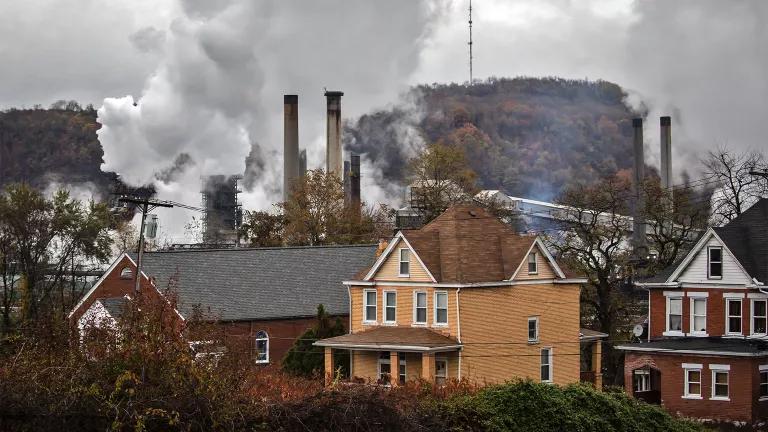
- Increased air pollution due to these policies could result in up to 35,000 additional early deaths and 42,000 extra emergency room visits and hospital admissions. This could increase health-care spending by up to $1.7 billion per year, adding further pressure on already high health-care insurance premiums for American households.
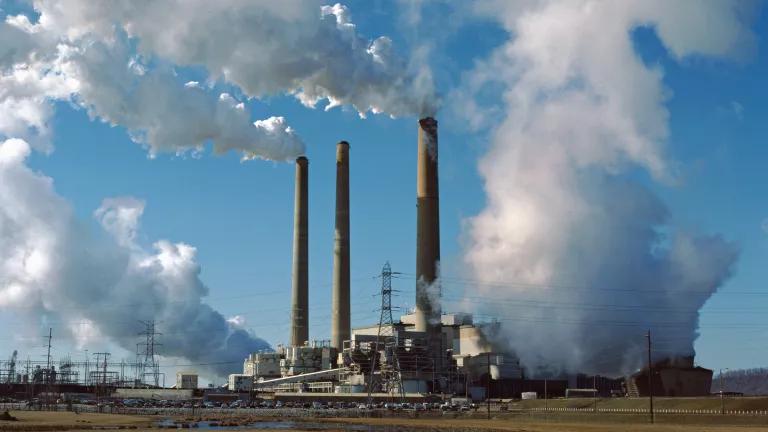
- Power sector carbon dioxide emissions could be twice as high by 2035. In total, the United States is projected to emit an additional 3.6 to 5.5 billion metric tons economy-wide over the next decade due to Trump’s agenda, with more than half of this extra climate pollution coming from the power sector.
Despite clean energy being the cheapest and fastest form of new electricity to deploy in the United States today, Trump is using the full power of the federal government to prop up aging, expensive fossil fuel infrastructure that market forces were already in the process of phasing out. And he’s doing so at the expense of every American family. These policies leave American households increasingly vulnerable against a growing affordability crisis.
Related Resources

How EPA Rollbacks Will Cost Us—in Dollars and Lives

Political Control of Research Funding Threatens Sound Science