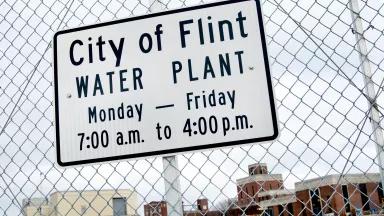
After officials repeatedly dismissed claims that Flint’s water was making people sick, residents took action. Here’s how the lead contamination crisis unfolded—and what we can learn from it.
The hard-won victory to secure clean water is a reminder of why preserving American democracy is so essential—and what’s possible when we stand up to powerful forces.
The massive legislative package would gut tax incentives for clean energy and electric vehicles and auction off millions of acres of public lands to oil drillers and other extractive industries.
A decade after lead contaminated water was found in Flint's water system, the legal battle to replace lead water pipes is finished, a landmark milestone for a city defined by its dangerous water.
In the wake of a nationwide, record-breaking heatwave, the EPA submitted its proposed reconsideration of the finding that climate change endangers American's health and welfare.
In a citizen-led case, NRDC and partners filed a lawsuit against the city of Flint and Michigan state officials for unlawfully exposing the people of Flint to lead-contaminated drinking water.
The new language would not only end incentives for renewable energy but also sets punitive taxes on wind and solar generation. The bill also triggers the largest sale of public lands in American history.
Public interest groups, led by NRDC, today legally challenged the Department of Energy’s mandate to keep the Eddystone Generating Station open past its planned closing.
A U.S. district court judge issued a preliminary injunction lifting the Trump administration’s unlawful freeze of federal funding for the National Electric Vehicle Infrastructure (NEVI) Formula Program.