

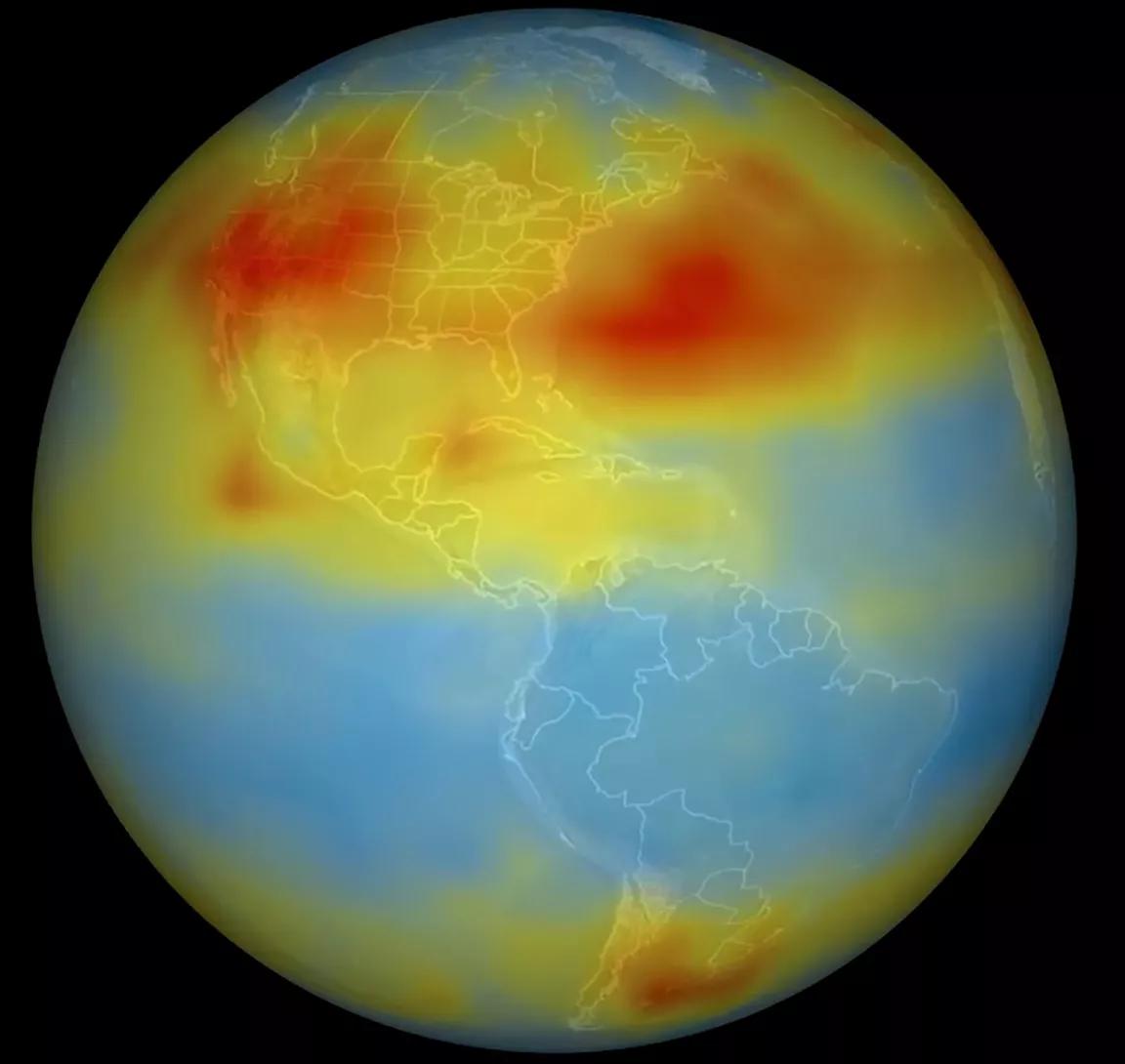
AIRS instrument on NASA’s Aqua spacecraft shows high carbon dioxide concentrations in the Northern Hemisphere.
NASA/Goddard Space Flight Center Scientific Visualization Studio/NASA/JPL AIRS Project
What is climate change?
Climate change is generally defined as a significant variation of average weather conditions—say, conditions becoming warmer, wetter, or drier—over several decades or more. It’s the longer-term trend that differentiates climate change from natural weather variability.
Record floods. Raging storms. Deadly heat. Climate change manifests itself in myriad ways and is experienced by every living being, although not equally. Throughout the world, the economically disadvantaged and people of color—those who have contributed the very least to the root causes of climate change—are the most likely to suffer from its worst impacts. Here are the basics on what causes climate change, how it’s affecting the planet and its people, and what we can do about it.
How is climate change measured over time?
Climate refers to the general weather conditions of a place as measured over many years. In the United States, for example, Maine’s climate is cold and snowy in winter while South Florida’s is tropical year-round.
Earth-orbiting satellites, remote meteorological stations, and ocean buoys are used to monitor present-day weather and climate, but it’s paleoclimatology data from natural sources like ice cores, tree rings, corals, and ocean and lake sediments that have enabled scientists to extend the earth’s climatic records back millions of years. These records provide a comprehensive look at the long-term changes in the earth’s atmosphere, oceans, land surfaces, and cryosphere (frozen water systems). Scientists then feed this data into sophisticated climate models that are able to predict future climate trends with impressive accuracy.
It’s worth noting that while climate change and global warming are often used interchangeably, global warming—the recent rise in the global average temperature near the earth’s surface—is just one aspect of climate change.
What causes climate change?
The mechanics of the earth’s climate system are simple. When energy from the sun is reflected off the earth and back into space (mostly by clouds and ice), or when the earth’s atmosphere releases energy, the planet cools. When the earth absorbs the sun’s energy, or when atmospheric gases prevent heat released by the earth from radiating into space (the greenhouse effect), the planet warms. A variety of factors, both natural and human, can influence the earth’s climate system. Learn more about the causes of climate change.
Natural causes of climate change
The earth has gone through warming and cooling phases in the past, long before humans were around. Forces that can contribute to climate change include the sun’s intensity, volcanic eruptions, and changes in naturally occurring greenhouse gas concentrations. But records indicate that today’s climatic warming—particularly that which has occurred since the mid-20th century—is happening at a much faster rate than ever before, and it can’t be explained by natural causes alone. According to NASA, “[t]hese natural causes are still in play today, but their influence is too small or they occur too slowly to explain the rapid warming seen in recent decades.”
Anthropogenic causes of climate change
Humans—more specifically, the greenhouse gas (GHG) emissions that human activity generates—are the leading cause of the earth’s rapidly changing climate today. Greenhouse gases play an important role in keeping the planet warm enough to inhabit. But the amount of these gases in our atmosphere has skyrocketed in recent decades. According to the U.S. Environmental Protection Agency, our current concentrations of carbon dioxide, methane, and nitrous oxide “are unprecedented compared with the past 800,000 years.” Indeed, the atmosphere’s share of carbon dioxide—the planet’s chief climate change contributor—has risen by 50 percent since preindustrial times.

A waterfront factory pumping out clouds of smoke
The burning of fossil fuels like coal, oil, and gas for electricity, heat, and transportation is the primary source of human-generated emissions. A second major source is deforestation, which releases sequestered (or stored) carbon into the air. It’s estimated that logging, clearcutting, fires, and other forms of forest degradation released an average of 8.1 billion metric tons of carbon dioxide per year between 2001 and 2019, accounting for more than 20 percent of all global CO2 emissions. Other human activities that generate air pollution include fertilizer use (a primary source of nitrous oxide emissions), livestock production (cattle, buffalo, sheep, and goats are major methane emitters), and certain industrial processes that release fluorinated gases. Activities like agriculture and road construction can also change the reflectivity of the earth’s surface, leading to local warming or cooling.
Though our planet’s forests and oceans absorb greenhouse gases from the atmosphere through photosynthesis and other processes, these natural carbon sinks can’t keep up with our rising emissions. The resulting buildup of greenhouse gases is causing alarmingly fast warming worldwide. It’s estimated that the earth’s average temperature rose by about 1 degree Fahrenheit during the 20th century. If that doesn’t sound like much, consider this: When the last ice age ended and the northeastern United States was covered by more than 3,000 feet of ice, average temperatures were just 5 to 9 degrees cooler than they are now.
The effects of global climate change
The World Economic Forum's 2026 Global Risks Report found extreme weather events to be the top risk for the next decade, noting that these events will heighten global inequality and increase competition for resources and the demand for energy security, especially with the accelerated development of AI data centers.
Blame its cascading effects: As climate change transforms global ecosystems, it affects everything from the places we live to the water we drink and the air we breathe.
Not everybody is affected equally, however. As with so many other issues related to the environment, the most negative impacts of climate change are borne disproportionately by certain groups: women, children, Indigenous communities, and low-income people of color. Climate is a human rights issue.
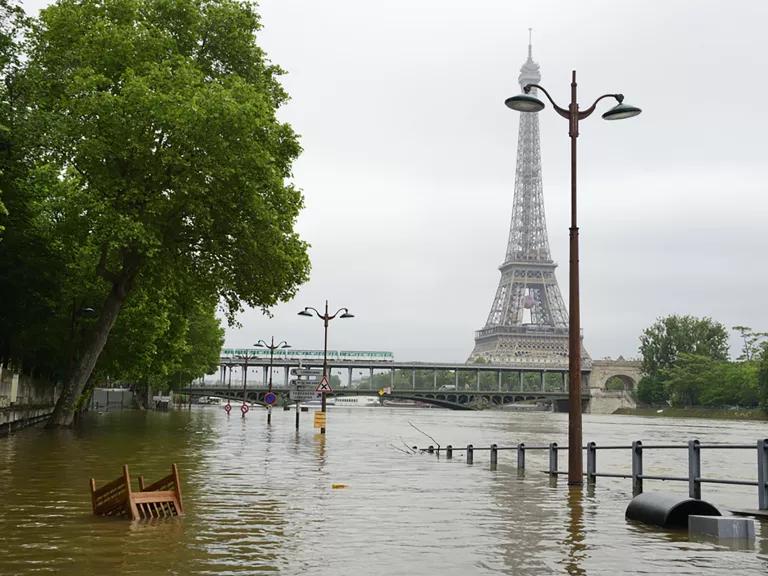
A view of the Seine river flood in Paris near Bir-Hakeim bridge, which reached a 30-year high in June 2016
Shutterstock
Extreme weather
As the earth’s atmosphere heats up, it collects, retains, and drops more water, changing weather patterns and making wet areas wetter and dry areas drier. Higher temperatures worsen and increase the frequency of many types of disasters, including storms, floods, heat waves, and droughts. These events can have devastating and costly consequences, jeopardizing access to clean drinking water, fueling out-of-control wildfires, damaging property, creating hazardous-material spills, polluting the air, and leading to loss of life.
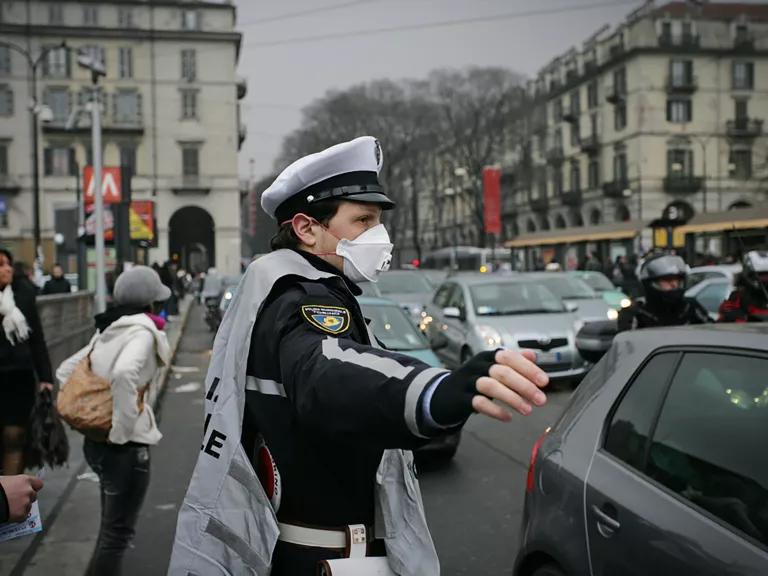
Smog in Turin, Italy
Mike Dotta/Shutterstock
Air pollution and climate change are inextricably linked, with one exacerbating the other. When the earth’s temperatures rise, not only does our air get dirtier—with smog and soot levels rising accordingly—but it also becomes filled with more allergenic pollutants, such as circulating mold (thanks to damp conditions from extreme weather and more floods) and pollen (due to longer, stronger pollen seasons).
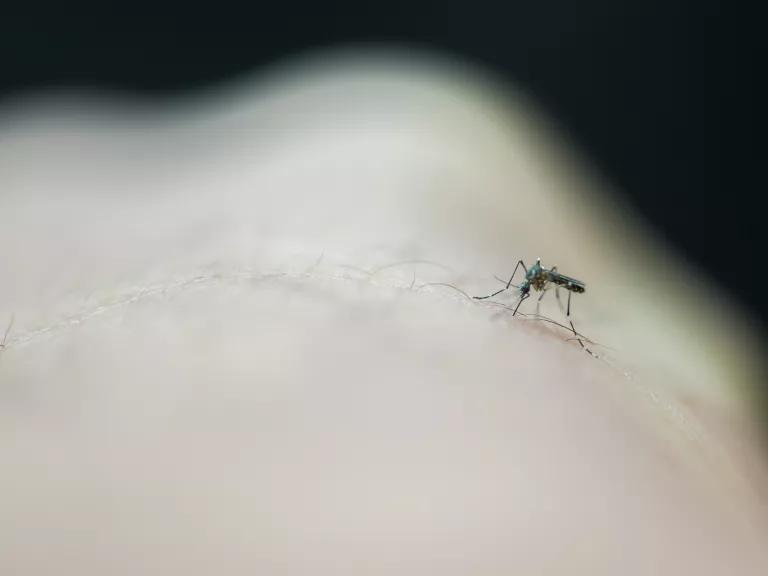
The Aedes mosquito can spread serious diseases such as dengue fever, yellow fever, and the Zika virus.
U.S. Air Force/Master Sgt. Brian Ferguson
Health risks
At its core, the climate problem is a public health emergency. All of us are affected, at every life stage—take, for example, the effects of wildfire smoke passed on to the developing fetus, the particular vulnerability of children and the elderly to air pollution, the threats of heat stress in workers, and the risks of heart disease and cognitive failure in older folks due to the various health stresses of climate change. Extreme weather events, such as severe storms and flooding, can lead to injury, drinking water contamination, and storm damage that may compromise basic infrastructure or lead to community displacement. A warmer, wetter world is also a boon for insect-borne diseases such as dengue fever, West Nile virus, and Lyme disease. These and other health consequences of climate change cost us hundreds of billions of dollars each year in the United States alone.
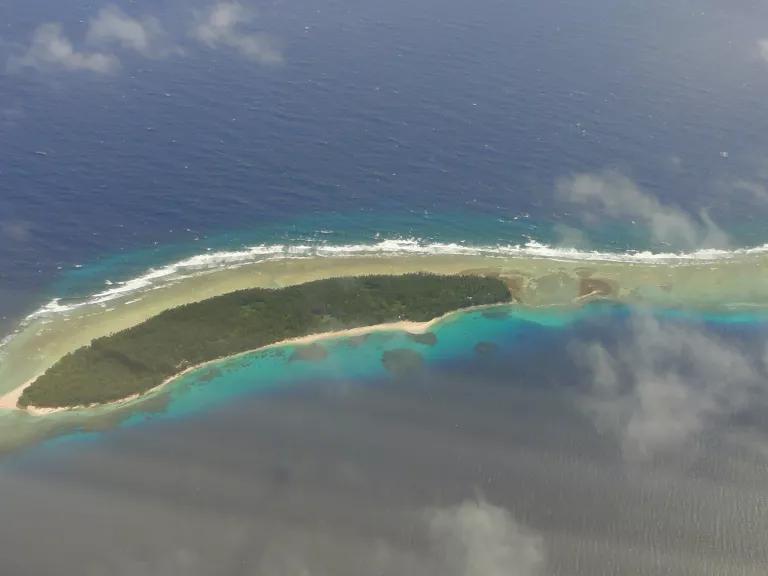
Aerial of the Marshall Islands landscape, which are feeling the effects of rising sea levels
Erin Magee, DFAT
Rising seas
The Arctic is heating up twice as fast as any other place on the planet. As its ice sheets melt into the seas, our oceans are on track to rise by almost 1 foot above 2000 levels by 2050 and more than 3 feet by 2100, threatening coastal ecosystems and low-lying areas. Island nations face particular risk, as do some of the world’s largest cities, including Miami, Mumbai, New Orleans, New York City, and Sydney.
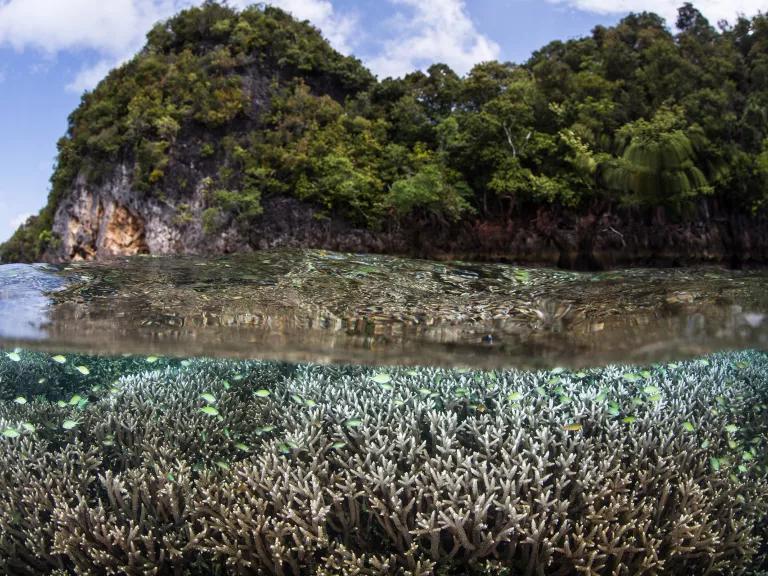
Fish and corals near Limestone Island, Indonesia
iStock
Warmer, more acidic oceans
The earth’s oceans absorb between one-quarter and one-third of our fossil fuel emissions and are now 30 percent more acidic than they were in preindustrial times. This acidification poses a serious threat to underwater life, particularly creatures with calcified shells or skeletons like oysters, clams, and coral. It can have a devastating impact on shellfisheries, as well as the fish, birds, and mammals that depend on shellfish for sustenance. In coastal communities where fishing and seafood production sustain the local economy, this impact extends to human populations as well, destroying livelihoods and opening the door to economic ruin. Rising ocean temperatures are also altering the range and population of underwater species and contributing to coral bleaching events that are capable of killing entire reefs—ecosystems that support more than 25 percent of all marine life.
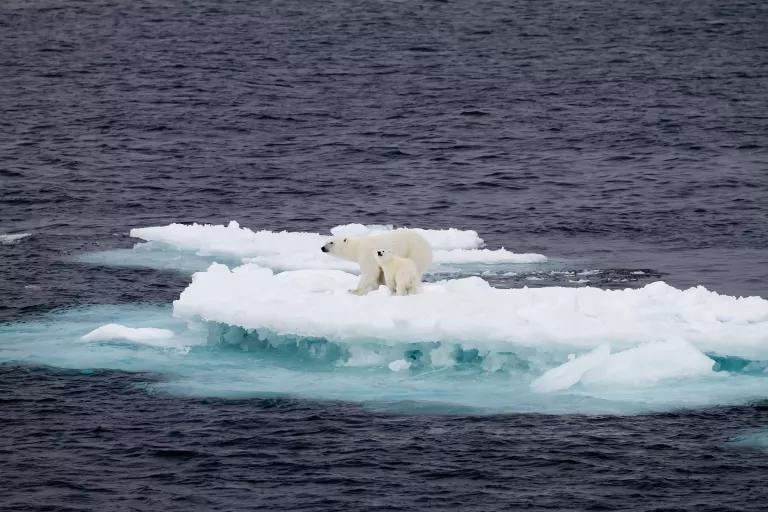
Two polar bears on a small ice floe
iStock
Imperiled ecosystems
Climate change is increasing pressure on wildlife to adapt to changing habitats—and fast. Many species are seeking out cooler climates and higher altitudes, altering seasonal behaviors, and adjusting traditional migration patterns. At the same time, milder winters and longer summers have enabled some invasive species to thrive. These shifts can fundamentally transform entire ecosystems and the intricate webs of life that depend on them. In fact, a 2024 study estimated that around 17 percent of the earth’s species may become extinct as a direct result of climate change.
Climate change facts
Despite what climate deniers and fossil fuel lackeys claim, there’s nothing to debate: Climate change is settled science. In the words of the Intergovernmental Panel on Climate Change (IPCC), the foremost international scientific body for the assessment of the phenomenon, “[w]arming of the climate system is unequivocal, and since the 1950s, many of the observed changes are unprecedented over decades to millennia. The atmosphere and ocean have warmed, the amounts of snow and ice have diminished, and sea level has risen.”
And the responsibility to confront these stark realities lies with us. At least 97 percent of actively publishing climate scientists endorse the consensus position that humans are the lead drivers of climate change. As the IPCC has stated—with its highest degree of confidence—“It is extremely likely that more than half of the observed increase in global average surface temperature from 1951 to 2010 was caused by the anthropogenic increase in GHG concentrations and other anthropogenic forcings together.”
But you don’t have to be a climate scientist to understand how the world has already changed.
After 2024 clocked in as the hottest year on record, the oceans reached record-high temperatures for the third year in a row in 2025. July 2026 then became the hottest month in the history books for North America, Africa, and Asia.
Without immediate climate action, these trends will continue. “The science is clear,” says Dr. Vijay Limaye, climate and health scientist in NRDC’s Science Office. “These dangerous effects of climate change will worsen each year that we fail to curb the pollution that is destabilizing our planet.”
This story was originally published on February 23, 2017, and was most recently updated on August 13, 2026, with new information and links.
This NRDC.org story is available for online republication by news media outlets or nonprofits under these conditions: The writer(s) must be credited with a byline; you must note prominently that the story was originally published by NRDC.org and link to the original; the story cannot be edited (beyond simple things such as grammar); you can’t resell the story in any form or grant republishing rights to other outlets; you can’t republish our material wholesale or automatically—you need to select stories individually; you can’t republish the photos or graphics on our site without specific permission; you should drop us a note to let us know when you’ve used one of our stories.
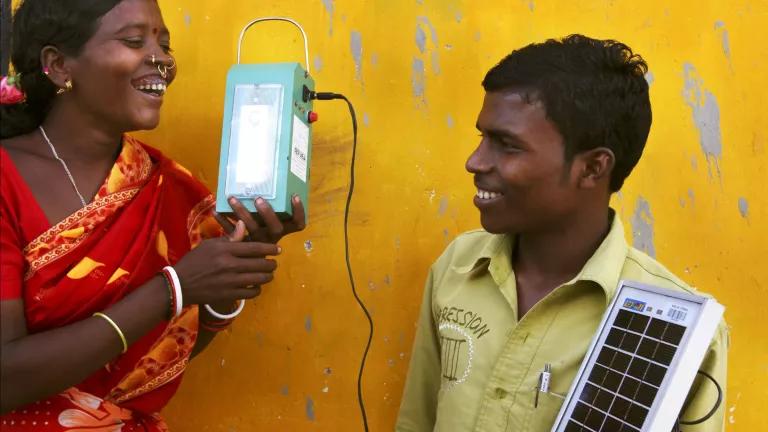
Read next: What Are the Solutions to Climate Change
Some solutions are big and will require billions in investment. Some are small and free. All are achievable.
Venezuela’s Oil Resources Are Vast (and Should Stay Underground)
What Are the Causes of Climate Change?
What Are the Solutions to Climate Change?